Why Do People Get Hiccups And How Can You Stop Them?
Understanding and Managing Hiccups
Introduction to Hiccups
Hiccups are a common, usually harmless occurrence that affects people of all ages. They are characterized by sudden, involuntary contractions of the diaphragm, followed by a quick closure of the vocal cords, which produces the characteristic "hic" sound. Most people experience hiccups at some point in their lives, and while they can be annoying, they are typically short-lived and resolve on their own.
Causes of Hiccups
Common Triggers
Several everyday activities can trigger hiccups, including eating too quickly, consuming carbonated drinks, or experiencing sudden temperature changes. These factors can cause irritation or overstimulation of the diaphragm, leading to hiccups.
Less Common Causes
Other potential triggers include stress, smoking, or the use of certain medications. Additionally, excessive alcohol consumption or rapid weight gain can also contribute to hiccups.
Medical Conditions
In rare cases, hiccups can be a symptom of an underlying medical condition. Chronic hiccups, lasting longer than 48 hours, may indicate issues such as gastroesophageal reflux disease (GERD), esophageal disorders, or neurological conditions. It's important to consult a healthcare provider if hiccups persist.
The Science Behind Hiccups
Hiccups occur due to an involuntary spasm of the diaphragm, the large muscle located at the base of the lungs. This spasm is often triggered by the vagus nerve, which runs from the brain to the abdomen. The vagus nerve can become irritated by various factors, causing the diaphragm to contract suddenly and produce the hiccup sound.
Factors that may disrupt normal breathing patterns, such as swallowing air while eating or drinking, can also contribute to hiccups. In some cases, hiccups can be caused by irritation of the phrenic nerve, which controls the diaphragm.
Home Remedies for Stopping Hiccups
Traditional Methods
There are several traditional remedies that people use to stop hiccups:
- Holding Your Breath: Holding your breath for up to 10 seconds can help stop hiccups by increasing carbon dioxide levels in the blood, which may relax the diaphragm.
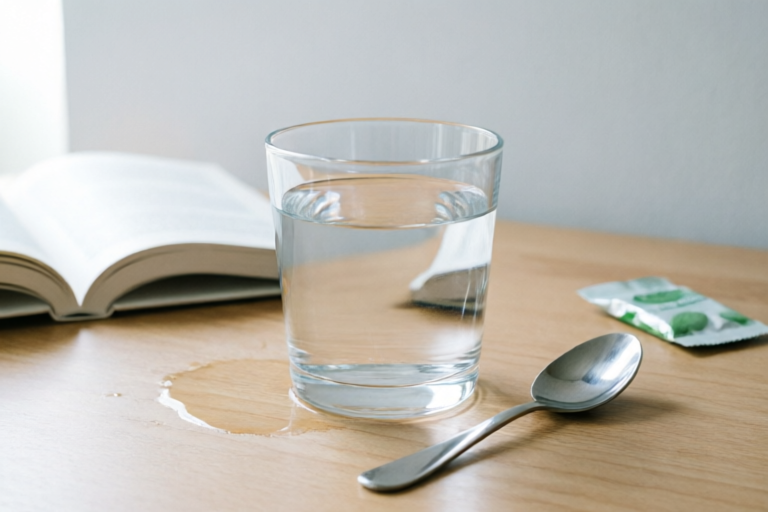
- Drinking Water: Drinking a glass of water, especially cold water, can sometimes help stop hiccups by stimulating the vagus nerve.
- Breathing into a Paper Bag: Breathing into a paper bag can increase the concentration of carbon dioxide in the blood, potentially relaxing the diaphragm and stopping hiccups.
Scientific Rationale
While the effectiveness of these remedies varies from person to person, they often work by altering the body's chemistry or stimulating the nervous system. For example, holding your breath increases carbon dioxide levels, which can help relax the diaphragm. Similarly, drinking water or breathing into a paper bag can stimulate the vagus nerve, which may interrupt the hiccup cycle.
Tips for Prevention
To prevent hiccups, it's important to avoid common triggers such as eating too quickly, drinking carbonated beverages, or swallowing air while talking. Additionally, managing stress and avoiding excessive alcohol consumption can help reduce the likelihood of hiccups.
When to See a Doctor
If hiccups persist for more than 48 hours, it's important to consult a healthcare provider. Persistent hiccups may be a sign of an underlying medical condition, such as GERD, esophageal disorders, or neurological issues. A doctor can perform tests and recommend appropriate treatments to address the root cause.
Treatments for Chronic Hiccups
For chronic hiccups, treatment options may include medications, nerve blocks, or even surgery in severe cases. Antacids, antispasmodics, and other medications can help manage symptoms, while nerve blocks or surgical interventions may be necessary for more severe cases.
Conclusion
Hiccups are a common occurrence that can be triggered by a variety of factors, ranging from simple lifestyle habits to more serious medical conditions. Understanding the causes and triggers of hiccups can help you manage and prevent them. While there are many home remedies available, it's important to seek medical advice if hiccups persist for more than 48 hours. By staying informed and proactive, you can effectively manage hiccups and maintain good health.
Comments

I had hiccups for days once. It was really annoying. Good to know when to see a doctor.

Breathing into a paper bag worked for me once! But only for a while...

Never knew this! I thought hiccups were just a funny thing, not something that could be a sign of something bigger.

I get hiccups all the time after eating too fast. Guess I need to slow down.

Interesting that the vagus nerve is involved. Makes sense since it controls so much in our body.
I've tried holding my breath and drinking water but nothing works for me. What else can I do if hiccups last longer than usual?

Wow, I always thought hiccups were just random! Never knew they could be caused by so many things. Thanks for the info!