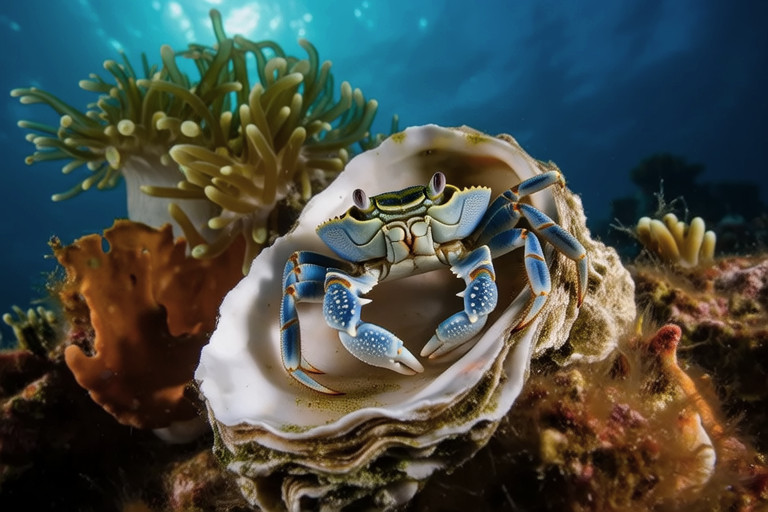
Meet the Pea Crab: Nature’s Hidden Ocean Dweller
The world’s oceans are home to countless species, each playing a vital role in maintaining the delicate balance of marine ecosystems. Among these diverse inhabitants is a small but fascinating creature known as the pea crab. Despite its name, which might suggest something akin to a garden vegetable, this crab is far from ordinary. The pea crab, scientifically classified under the family Pinnotheridae, is a tiny crustacean that often goes unnoticed due to its diminutive size. This article delves into the intriguing world of the pea crab, exploring its habitat, relationships, physical attributes, and the significance of conserving marine environments to ensure the survival of such unique species.
A Tiny Wonder Often Overlooked
The pea crab is indeed named for its size, which typically ranges between 3 to 10 millimeters in length, making it one of the smallest crabs in the world. Its petite stature contributes to its tendency to remain hidden from view, even among marine enthusiasts who might otherwise be familiar with larger, more conspicuous creatures like lobsters or octopuses. The crab’s coloration, usually ranging from light brown to translucent, further aids in its camouflage, allowing it to blend seamlessly into its surroundings.
Habitat and Thriving Environments
Pea crabs are predominantly found in coastal waters around the globe, thriving in various marine environments. They are particularly common in estuaries, where freshwater rivers meet the salty sea, creating brackish water conditions. These areas provide rich nutrients and ample hiding spots for the pea crab. Additionally, they inhabit coral reefs, seagrass beds, and rocky shores, all of which offer protection from predators and ample food sources. The crabs are especially adept at living within the shells of bivalve mollusks, such as oysters and clams, which serve as both homes and hunting grounds.
Symbiotic Relationships: A Unique Partnership
One of the most remarkable aspects of the pea crab’s existence is its symbiotic relationship with other sea creatures. The term ‘symbiosis’ refers to a close, long-term interaction between two different species, where at least one of the organisms benefits from the association. In the case of the pea crab, this relationship is mutually beneficial. The crabs live inside the shells of bivalves, providing protection and a stable environment for their growth. In return, the crabs consume the soft tissues of their hosts, a process that, surprisingly, does not harm the host too severely. Instead, the crabs help clean the bivalves, removing parasites and detritus that could otherwise hinder the host’s health.
This symbiotic relationship extends beyond just the pea crab and its bivalve hosts. Some species of pea crabs have been observed cohabiting with sea cucumbers, sea anemones, and even hermit crabs. Each partnership offers the pea crab additional protection and access to resources, while the host benefits from the removal of parasites and the maintenance of its immediate environment.
Physical Characteristics and Behavior
Despite its small size, the pea crab boasts several distinctive features that make it stand out in the marine world. It possesses a flattened, oval-shaped carapace, or shell, which allows it to fit snugly within the confines of its host’s shell. The crab’s legs are short and sturdy, perfect for gripping onto the interior surfaces of its protective home. Its eyes are relatively large compared to its body, enabling it to detect potential threats or prey even in the dimly lit environments it often inhabits.
Behaviorally, pea crabs are opportunistic feeders, relying on their hosts for sustenance. They are also highly territorial, defending their space against other crabs or potential intruders. The crabs exhibit a nocturnal lifestyle, venturing out at night to hunt for small invertebrates, detritus, and organic matter. During the day, they remain hidden within their hosts, conserving energy and staying safe from predators.
Lifecycle and Interesting Facts
The lifecycle of the pea crab is a fascinating study in adaptation and survival. After hatching from eggs, the larvae undergo several stages of development before settling into their adult forms. Interestingly, the juvenile crabs often attach themselves to jellyfish, drifting along until they find a suitable host. Once they’ve established residence within a bivalve shell, they spend the remainder of their lives there, growing and reproducing within this protected environment.
Female pea crabs are known to carry hundreds of eggs beneath their bodies, ensuring the next generation’s survival. The males, on the other hand, compete fiercely for mates, often engaging in aggressive displays to assert dominance. This competition underscores the importance of finding a suitable host, as the availability of such habitats directly impacts the crab’s reproductive success.
The Importance of Marine Conservation
The story of the pea crab highlights the intricate web of life that exists within our oceans. As we continue to explore and understand these complex ecosystems, it becomes increasingly clear that every species, no matter how small or seemingly insignificant, plays a crucial role in maintaining the balance of marine life. The conservation of marine ecosystems is essential not only for the preservation of unique species like the pea crab but also for the overall health of our planet.
Human activities, such as pollution, overfishing, and habitat destruction, pose significant threats to marine biodiversity. By adopting sustainable practices and supporting conservation efforts, we can help protect the delicate balance of marine ecosystems. Protecting the oceans ensures the survival of not just the pea crab, but countless other species that contribute to the richness and diversity of life on Earth.
In conclusion, the pea crab is a testament to the incredible diversity and adaptability of life in the oceans. From its symbiotic relationships to its fascinating lifecycle, this tiny creature offers valuable insights into the interconnectedness of marine ecosystems. As stewards of the planet, it is our responsibility to safeguard these environments, ensuring that future generations can continue to marvel at the wonders of the underwater world.
