The Hairy Ruler: An Exploration of Heterometrus Spinifer
The Heterometrus spinifer, commonly known as the hairy ruler, is a fascinating species of scorpion that has intrigued both scientists and enthusiasts alike. With its distinct appearance and intriguing behaviors, this scorpion offers a unique glimpse into the world of arachnids. In this article, we will delve into the unique characteristics, habitat, behavior, and lesser-known facts about the Heterometrus spinifer. We’ll also explore its role in ecosystems, dispel some myths, and provide tips for safe encounters.
Unique Characteristics
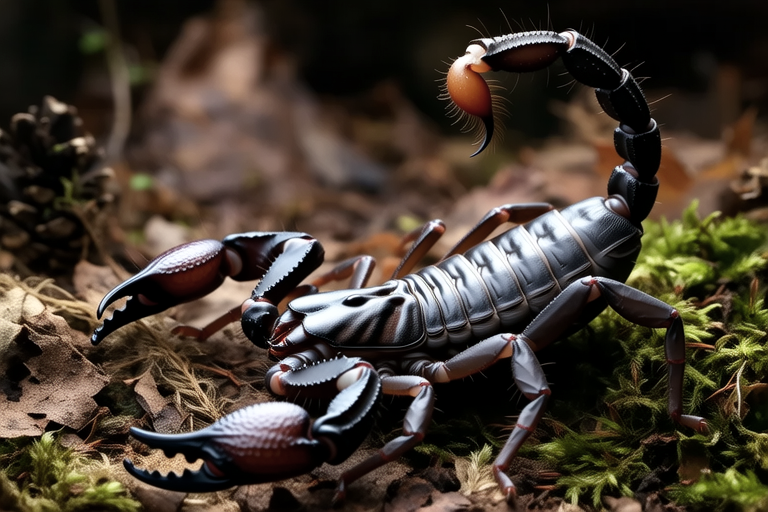
The Heterometrus spinifer is easily recognizable by its long, slender body covered in fine hairs, which give it its common name. These hairs are not just for show; they play a crucial role in the scorpion’s survival. The hairs help the scorpion detect vibrations in its environment, alerting it to potential threats or prey. The scorpion’s claws, or pedipalps, are also uniquely adapted for its lifestyle. They are long and slender, allowing the scorpion to grasp and manipulate small prey items efficiently. The tail, or metasoma, is equipped with a venomous stinger, which is used primarily for defense but can also be employed to subdue prey.
One of the most striking features of the Heterometrus spinifer is its coloration. Typically, these scorpions are brownish in color, but their exact shade can vary depending on their environment. This coloration helps them blend into their surroundings, making them difficult to spot in their natural habitats. The scorpion’s body is segmented, with eight legs and a pair of large pincers at the front. Their eyesight is limited, relying more on their sensory hairs for navigation and hunting.
Habitat
The Heterometrus spinifer is native to Southeast Asia, where it can be found in countries such as Thailand, Malaysia, and Indonesia. It prefers humid, tropical environments, often inhabiting dense forests, caves, and rocky outcrops. These scorpions are highly adaptable and can thrive in a variety of habitats, from coastal areas to inland forests. They are particularly fond of areas with plenty of hiding spots, such as under rocks, logs, or in crevices. The humidity and temperature levels in these regions are ideal for the scorpion’s survival, providing the moisture they need to stay hydrated and the warmth necessary for their metabolism.
Despite their preference for natural habitats, Heterometrus spinifer scorpions have been known to venture into human settlements, especially in rural areas. They may seek shelter in buildings, attics, or basements, drawn by the presence of insects and other small prey. However, encounters with humans are generally rare, as the scorpions tend to avoid open spaces and prefer to remain hidden.
Behavior
The behavior of the Heterometrus spinifer is closely tied to its nocturnal lifestyle. These scorpions are active during the night, emerging from their hiding spots to hunt for food. They are solitary creatures, living alone except when mating. The scorpion’s diet consists mainly of small insects, spiders, and other arthropods. They use their pedipalps to capture prey, injecting venom through their stinger to immobilize it. Once the prey is subdued, the scorpion uses its mouthparts to tear it apart and consume it.
Communication among Heterometrus spinifer scorpions is limited, primarily occurring during the mating season. Male and female scorpions engage in a complex courtship ritual that involves a series of movements and signals. After mating, the female carries her eggs internally until they hatch. She then gives birth to live young, which remain attached to her back for several days before dispersing. During this time, the mother provides protection for her offspring, a rare example of parental care in the scorpion world.
Lesser-Known Facts
Beyond its distinctive appearance and behavior, there are several lesser-known facts about the Heterometrus spinifer that make it even more fascinating. For instance, the venom of the Heterometrus spinifer is not particularly potent compared to other scorpions, but it can still cause pain and discomfort in humans. The venom contains neurotoxins that affect the nervous system, causing localized pain, swelling, and numbness. While a sting from this scorpion is rarely life-threatening, it can be quite uncomfortable.
Another interesting fact is that the Heterometrus spinifer has been used in traditional medicine in some parts of Southeast Asia. Local healers have historically applied extracts from the scorpion to treat various ailments, though the efficacy of these treatments has not been scientifically proven. Additionally, the scorpion’s exoskeleton has been studied for its potential medicinal properties, including its ability to stimulate the immune system and promote wound healing.
Role in Ecosystems
In its natural habitat, the Heterometrus spinifer plays a vital role in maintaining the balance of its ecosystem. As predators, these scorpions help control populations of insects and other small arthropods, preventing overpopulation and ensuring a healthy distribution of resources. By preying on pests, they indirectly benefit plants and other organisms in the ecosystem. Furthermore, the scorpions themselves serve as a food source for larger predators, contributing to the overall biodiversity of their environment.
The Heterometrus spinifer also interacts with its environment in ways that contribute to soil health. As they burrow and move through the soil, they aerate it, improving drainage and nutrient cycling. This activity helps maintain the fertility of the soil, benefiting plants and other organisms that depend on it. Additionally, the scorpion’s waste products enrich the soil, further supporting the growth of vegetation.
Myths Surrounding the Hairy Ruler
Like many other scorpions, the Heterometrus spinifer has been the subject of numerous myths and misconceptions. One common myth is that all scorpions are deadly, but this is far from the truth. While some scorpion species are indeed highly venomous, the Heterometrus spinifer falls into the category of less dangerous species. Another myth is that scorpions glow in the dark, which is only partially true. Scorpions do fluoresce under ultraviolet light, but this is not related to glowing in the dark.
There are also myths about the effectiveness of traditional remedies involving scorpions. While some cultures have used scorpion extracts for medicinal purposes, the scientific community has yet to confirm their efficacy. It is important to approach these remedies with caution and rely on evidence-based medical practices.
Conservation Status
The Heterometrus spinifer is currently listed as Least Concern on the IUCN Red List of Threatened Species. This classification indicates that the species is not currently at risk of extinction, thanks to its wide distribution and adaptability. However, habitat destruction and fragmentation pose significant threats to the scorpion’s survival. Deforestation, urbanization, and agricultural expansion can lead to the loss of suitable habitats, reducing the availability of food and shelter for the scorpion.
Efforts to conserve the Heterometrus spinifer and its ecosystem involve protecting natural habitats and promoting sustainable land use practices. Conservation organizations work to raise awareness about the importance of preserving these ecosystems and the role of species like the Heterometrus spinifer within them. Additionally, research is ongoing to better understand the scorpion’s biology and ecology, providing valuable insights for future conservation efforts.
Tips for Safe Encounters
If you find yourself in an area where Heterometrus spinifer scorpions are present, it’s important to take precautions to ensure your safety. First and foremost, wear protective clothing, such as boots and gloves, when venturing into areas where scorpions might be found. Avoid reaching into dark crevices or under rocks without first checking for scorpions. If you come across a scorpion, do not attempt to handle it; instead, slowly back away and give it space.
Should you encounter a Heterometrus spinifer scorpion, it is unlikely to attack unless provoked. However, if you are stung, seek medical attention immediately. While the venom is not typically life-threatening, it can cause significant discomfort and may require treatment to alleviate symptoms. Antivenom is available in some regions, though it is not always necessary for mild cases.
Conclusion
The Heterometrus spinifer, or hairy ruler, is a remarkable species of scorpion with unique characteristics, behaviors, and roles within its ecosystem. From its distinctive appearance to its contributions to soil health, this scorpion offers a fascinating glimpse into the world of arachnids. By understanding its place in nature and taking steps to protect its habitat, we can ensure the continued survival of this remarkable creature. Whether you’re a seasoned entomologist or a newcomer to the field, the Heterometrus spinifer is sure to captivate and inspire.
