Mastering Koi Care: Tips from Experts to Thrive as a Koi Keeper
Keeping koi fish can be a rewarding hobby that brings beauty and tranquility to your garden. However, to ensure your koi thrive, you need to understand their specific needs and provide them with optimal living conditions. This comprehensive guide will walk you through the essential aspects of koi care, offering valuable tips from experts to help both beginners and experienced koi keepers.
Understanding Koi Fish
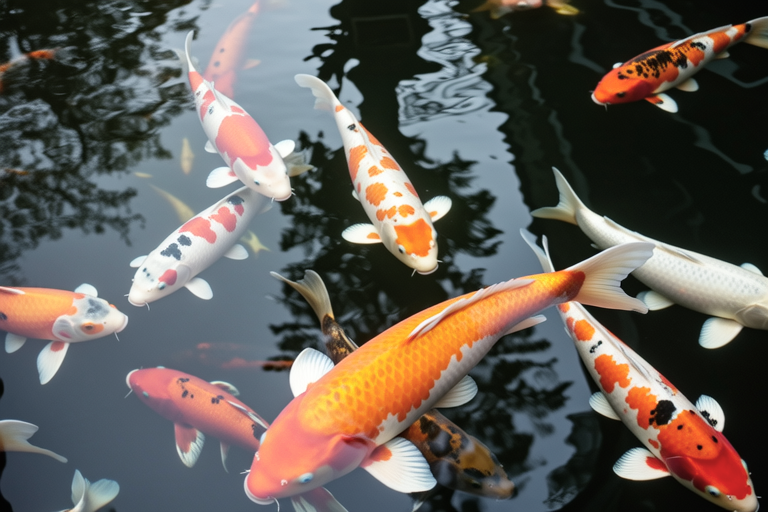
Koi fish, or Cyprinus carpio, are ornamental varieties of common carp. They come in various colors, patterns, and sizes, making them popular additions to ponds and water gardens. Originally from East Asia, these fish have been selectively bred for centuries to enhance their appearance and temperament. While they may look like regular goldfish, koi require different care and attention.
Optimal Water Conditions
The quality of water in your koi pond is crucial for the health and longevity of your fish. Maintaining the right balance of oxygen, pH levels, temperature, and cleanliness ensures a thriving environment for your koi.
Water Filtration
A reliable filtration system is key to keeping your pond water clean. It removes debris, waste, and harmful bacteria, ensuring that your koi have plenty of oxygenated water to swim in. There are three main types of filters:
- Mechanical Filters: These remove large particles like leaves and uneaten food.
- Biological Filters: Beneficial bacteria live in these filters, breaking down ammonia into less toxic substances.
- Chemical Filters: These absorb toxins and improve water clarity.
Experts recommend combining these filter types for maximum effectiveness.
Water Testing
Regularly testing your pond water helps you identify any imbalances early. Use test kits available at pet stores to check for pH levels, ammonia, nitrite, and nitrate concentrations. Ideal ranges for koi are:
- pH: 7.2 to 8.0
- Ammonia: 0 ppm
- Nitrite: 0 ppm
- Nitrate: Below 40 ppm
If readings fall outside these ranges, take corrective action by adjusting water parameters or performing partial water changes.
Water Temperature
Koi are coldwater fish, but they still prefer temperatures between 68°F and 77°F (20°C to 25°C). During winter, protect your koi from freezing temperatures by installing heaters or aerators. In summer, shading your pond reduces heat absorption and keeps the water cool.
Feeding Habits
Proper nutrition is vital for maintaining your koi’s health and vibrant coloration. Feed them high-quality pellets designed specifically for koi, as these contain the necessary vitamins and minerals. Avoid overfeeding, which can lead to poor water quality and health issues.
Frequency and Quantity
Feed your koi twice daily during spring and summer when they are most active. Reduce feedings to once a day in autumn and stop entirely during winter when temperatures drop below 50°F (10°C).
Variety in Diet
Occasionally supplement their diet with treats like frozen bloodworms, brine shrimp, or algae wafers. These snacks provide variety and additional nutrients. However, limit the frequency of such treats to avoid disrupting their regular diet.
Common Health Issues
Despite your best efforts, koi may still encounter health problems. Early detection and treatment are crucial for recovery. Here are some common issues and how to address them:
Fungal Infections
Fungi often appear as cotton-like growths on the skin or fins of affected fish. To treat fungal infections, raise the temperature of the pond slightly and add antifungal medications according to package instructions. Quarantine infected fish to prevent spreading the infection to others.
Bacterial Infections
Bacteria can cause ulcers, fin rot, or red streaks on the body. Antibiotics are typically used to combat bacterial infections. Consult with a veterinarian specializing in aquatic animals for appropriate medication and dosage.
Parasitic Infestations
Parasites like ich (white spots) or anchor worms can infest your koi. Ich usually appears as tiny white dots on the fish’s body. Anchor worms resemble small, thread-like structures attached to the fish. Both parasites require specific treatments; seek professional advice if you suspect an infestation.
Maintenance Routines
Consistent maintenance keeps your koi pond healthy and inviting. Follow these guidelines to maintain optimal conditions:
Weekly Checks
Inspect your koi regularly for signs of illness or injury. Check the water quality and make adjustments as needed. Clean out any visible debris from the surface and around the edges of the pond.
Monthly Maintenance
Perform monthly deep cleanings to remove accumulated sludge and organic matter. Use a pond vacuum to suction up debris without disturbing the beneficial bacteria in your filtration system. Inspect and clean all equipment, including pumps, filters, and heaters.
Seasonal Adjustments
In preparation for winter, reduce feeding and prepare your pond for colder temperatures. Install heaters or aerators if necessary. For summer, consider adding shade or circulation devices to keep the water cool.
Advanced Care Techniques
Once you’ve mastered the basics, consider implementing more advanced practices to further enhance the well-being of your koi:
Water Changes
Periodically replacing part of the pond water helps dilute pollutants and replenish essential minerals. Aim for 10% weekly water changes during warmer months.
Planting Aquatic Plants
Introduce aquatic plants to your pond ecosystem. Plants not only beautify the space but also provide oxygen and shelter for your koi. Some popular choices include water lilies, lotus flowers, and duckweed.
Creating Hiding Spots
Provide hiding spots within the pond to reduce stress among your koi. Incorporate rocks, logs, or artificial structures that allow them to retreat when needed.
Conclusion
Becoming a successful koi keeper requires dedication, knowledge, and commitment. By following the expert advice outlined in this guide, you’ll create an ideal environment for your koi to flourish. Remember to prioritize water quality, proper feeding, and routine maintenance. With time and experience, you’ll develop a deeper understanding of your koi’s needs and enjoy watching them grow and thrive in your pond.
