5 Surprising Facts About Norwegian Pets That Will Make You Say Wow
When you think of Norway, you might imagine fjords, Vikings, and breathtaking landscapes. But did you know that the country also has a rich history and culture surrounding pet ownership? From unique pet care practices to popular breeds, Norwegian pets have some fascinating stories to tell. In this article, we’ll dive into five surprising facts about Norwegian pets that will leave you amazed.
1. The Norwegian Forest Cat: A Natural Wonder
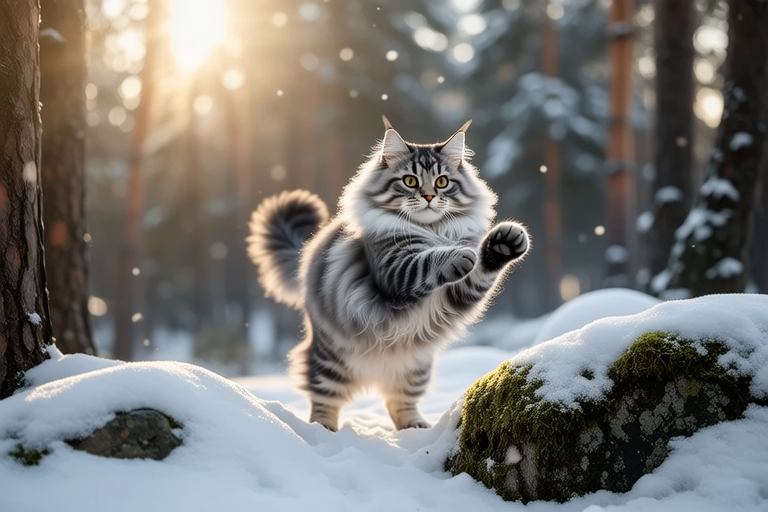
The Norwegian Forest Cat, known locally as the “skogkatt,” is one of the most iconic symbols of Norwegian pet culture. This majestic breed has been living in the wild forests of Scandinavia for centuries, adapting to harsh climates and rugged terrain. According to local folklore, these cats were believed to be descendants of the fairy-tale creatures, with their long, water-resistant coats and bushy tails designed to keep them warm during the cold winters.
Today, the Norwegian Forest Cat remains a popular choice among pet owners due to its friendly nature and loyalty. Interestingly, a survey conducted by the Norwegian Veterinary Association revealed that nearly 40% of cat owners in Norway prefer this breed for its resilience and affectionate demeanor. These cats are known for their playful yet gentle nature, making them ideal companions for families with children.
2. Unique Pet Care Practices
Norwegians take pet care very seriously, often going above and beyond to ensure their furry friends live healthy and happy lives. One such practice is the widespread use of natural remedies and holistic approaches to pet health. For instance, many Norwegian pet owners incorporate herbal supplements into their pet’s diet to boost immunity and promote overall well-being.
Another unique aspect of Norwegian pet care is the emphasis on outdoor play and exercise. Given the vast expanse of nature in Norway, it’s no surprise that pet owners encourage their pets to enjoy the outdoors. A study published in the Journal of Companion Animal Science found that dogs in Norway spend an average of two hours daily outdoors, significantly more than the global average. This exposure to fresh air and physical activity contributes to better physical and mental health for pets.
3. Pet Ownership Trends
Pet ownership trends in Norway reflect the country’s strong connection to nature and tradition. While dogs and cats remain the most popular pets, there has been a recent surge in interest for less common animals like rabbits, guinea pigs, and even exotic species such as ferrets and parrots. The Norwegian Society for the Protection of Animals reports a 15% increase in the adoption of non-traditional pets over the past decade.
Moreover, the concept of ‘pet cafés’ is gaining popularity in urban areas. These establishments offer a unique experience where customers can enjoy coffee and snacks while interacting with pets. Pet cafés not only provide a social setting for pet lovers but also serve as a platform for promoting responsible pet ownership and adoption.
4. Historical Role of Pets in Norway
The history of pet ownership in Norway dates back centuries, with animals playing significant roles in everyday life. Dogs, for example, have been integral to Norwegian society, serving as loyal companions, working animals, and protectors. Historically, Norwegian farmers relied heavily on herding dogs to manage livestock, and these dogs continue to be valued members of rural communities today.
One of the most famous historical figures associated with Norwegian pets is King Olav V, who was known for his love of dogs. The king owned several Labrador Retrievers throughout his reign and was often seen walking his dogs in public. His fondness for dogs helped to elevate the status of pet ownership in Norway, encouraging more people to view pets as cherished family members rather than mere possessions.
5. Environmental Considerations in Pet Ownership
In line with Norway’s commitment to environmental sustainability, pet owners in the country are increasingly adopting eco-friendly practices. This includes using biodegradable waste bags, choosing pet foods made from sustainable ingredients, and opting for pet products that minimize environmental impact. The Norwegian government has also launched initiatives to promote green pet ownership, providing guidelines and resources for environmentally conscious pet owners.
Furthermore, the rise of eco-friendly pet parks and recreational areas reflects the growing awareness of environmental issues. These spaces are designed to provide pets with safe and enjoyable outdoor environments while minimizing damage to the ecosystem. By fostering a culture of responsible pet ownership, Norway aims to balance the joy of having pets with the need to preserve natural habitats.
Conclusion
From the legendary Norwegian Forest Cat to unique pet care practices and historical significance, Norwegian pets offer a wealth of surprises and insights. Whether you’re a seasoned pet owner or simply an animal enthusiast, these facts highlight the special bond between humans and their furry companions in Norway. As pet ownership continues to evolve, it’s clear that the Norwegian approach to pet care offers valuable lessons for all pet lovers around the world.
