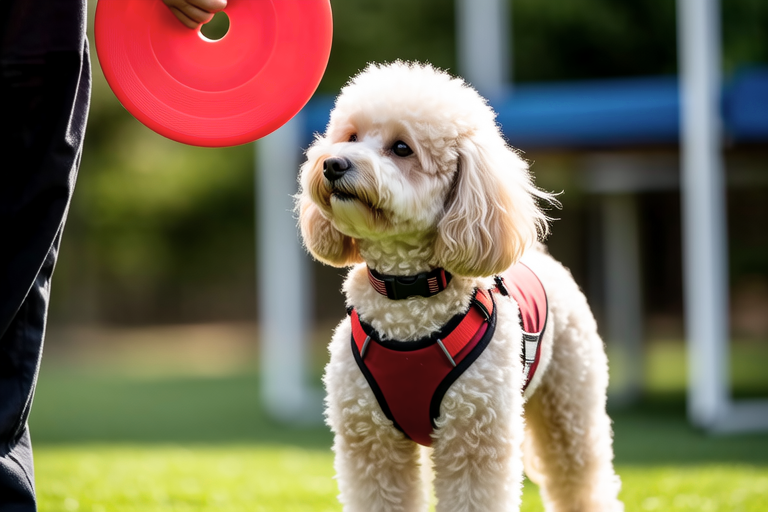
From Puppy to Prance: The Ultimate Guide to Training Your Poodle
Welcome to Your Poodle’s Training Journey
Welcome to your poodle’s training journey! Whether you’re a first-time owner or an experienced dog handler, this guide will help you navigate the unique challenges and rewards of raising a poodle. Known for their intelligence, elegance, and sometimes quirky personalities, poodles require a thoughtful and patient approach to training. Let’s dive into the world of poodle training together.
Basic Obedience Training
Training your poodle starts with basic obedience commands. Commands like ‘sit,’ ‘stay,’ ‘come,’ and ‘leave it’ form the foundation of your poodle’s education. Begin by teaching these commands one at a time, ensuring mastery before moving on to the next. Use treats as positive reinforcement and keep sessions short and fun.
For example, when teaching ‘sit,’ hold a treat above your poodle’s nose, then slowly move it back over their head. As they follow the treat with their eyes and sit down, say ‘sit’ and reward them with the treat. Repeat this process several times daily until they understand the command.
Housebreaking Tips
Poodles are generally quick learners, but housebreaking requires consistency. Establish a routine and take your poodle outside frequently, especially after meals, naps, and playtime. Praise them generously when they eliminate outdoors. Consider crate training to prevent accidents inside the home.
Real-life example: Sarah noticed her young poodle had accidents on the carpet. She began taking him out every hour and praising him profusely when he went potty outside. Within a week, her poodle was reliably eliminating outdoors.
Grooming Considerations
Poodles have hypoallergenic coats, making them ideal for allergy sufferers. However, their dense, curly fur requires regular grooming. Schedule professional grooming appointments every six to eight weeks. Between visits, brush your poodle’s coat daily to prevent matting and tangles.
Tip: Incorporate grooming into your training routine. Reward your poodle with treats during brushing sessions to create a positive association with grooming.
Common Behavioral Issues and Solutions
Poodles can be prone to certain behaviors like barking, chewing, and separation anxiety. Address these issues early with consistent training and patience. For barking, teach your poodle the ‘quiet’ command. When they bark, say ‘quiet’ and wait for them to stop. Once they are silent, praise them and offer a treat.
Separation anxiety can be managed by gradually increasing the amount of time your poodle spends alone. Start with short absences and build up to longer periods. Provide toys or puzzles to keep them occupied while you’re away.
Exercise Needs
Poodles are energetic dogs that need regular physical activity to stay healthy and happy. Daily walks, play sessions, and mental stimulation are essential. Poodles excel in agility and obedience competitions, offering great outlets for both physical and mental exercise.
Tip: Incorporate interactive games like fetch or hide-and-seek into your poodle’s routine. These activities provide mental and physical stimulation while strengthening your bond.
Intelligence Utilization in Training
Poodles are highly intelligent and can quickly learn complex tasks. Leverage their smarts by teaching them tricks and advanced commands. Puzzle toys and treat-dispensing gadgets can challenge their minds and keep them engaged.
Real-life example: Mark trained his poodle to ‘shake hands’ and ‘play dead.’ He used small treats to guide his poodle through each step of the trick. With consistent practice, his poodle mastered these impressive skills in just a few days.
Making Training Sessions Engaging and Fun
To keep training sessions enjoyable, vary your approach and incorporate play. Use different locations for training, such as parks or beaches, to add variety. Introduce new toys and games to keep your poodle interested. Remember, training should be a positive experience for both you and your poodle.
Tip: End each session on a high note. Finish with a favorite trick or command that your poodle excels at, followed by lots of praise and treats.
Conclusion
Training your poodle is a rewarding process that strengthens your bond and ensures a well-behaved companion. By following the steps outlined in this guide, you’ll set your poodle up for success. Remember, every poodle is unique, so adapt your training approach to suit their individual needs. Enjoy the journey from puppy to prance!
