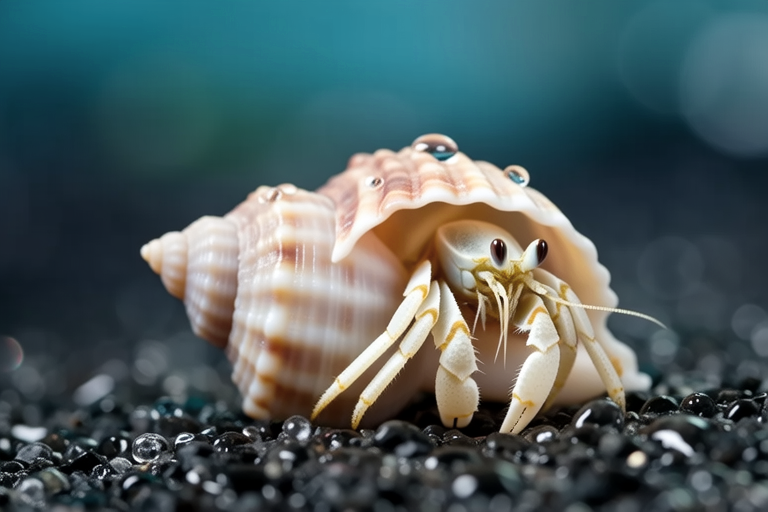
Meet the Pea Crab: Nature’s Tiniest Shellfish Partner
Welcome to the fascinating world of the pea crab, a tiny crustacean that has mastered the art of living in harmony with other marine creatures. These minuscule partners, barely bigger than a grain of rice, have developed some of the most remarkable symbiotic relationships in the ocean. From their size and habitat to their diet and behavior, let’s dive into the captivating life of the pea crab.
The Tiny Titans
Pea crabs, belonging to the family Pinnotheridae, are among the smallest crabs in the world, typically measuring between 4 to 8 millimeters in length. Despite their diminutive size, they pack quite a punch when it comes to survival strategies. Their petite stature allows them to hide within the protective nooks of larger marine animals, forming mutually beneficial partnerships. This adaptation helps them avoid becoming prey for larger predators while providing them with a stable environment.
Habitat and Distribution
Pea crabs are found in various marine environments across the globe, from shallow coastal waters to deep-sea trenches. They prefer habitats rich in biodiversity, such as coral reefs, seagrass beds, and rocky shores. The diversity of their preferred environments is a testament to their adaptability and resilience. However, despite their wide distribution, specific species of pea crabs often have a more localized presence, making them somewhat elusive to study in detail.
The Symbiotic Relationship
One of the most fascinating aspects of pea crabs is their symbiotic relationship with other marine organisms. These tiny crustaceans form partnerships with hosts like sea cucumbers, anemones, and even some mollusks. In these relationships, both the pea crab and its host benefit in unique ways. Let’s explore two of these partnerships in depth.
Sea Cucumbers: A Safe Haven
Sea cucumbers, those strange-looking, cucumber-shaped creatures, might seem unassuming, but they play a crucial role in the pea crab’s life. These echinoderms provide a safe haven for the crabs, allowing them to live inside their body cavities. Inside the sea cucumber, pea crabs can find protection from predators and access to nutrients.
Pea crabs benefit from this arrangement by feeding on the sea cucumber’s internal organs, specifically the gonads and intestines. While this may sound harmful, the sea cucumber doesn’t suffer much from this arrangement. Instead, the pea crabs help clean the sea cucumber by removing waste and parasites. This cleaning service ensures that the sea cucumber remains healthy and free from infections, which in turn benefits the pea crab by providing a stable home.
Anemones: A Floating Fortress
Anemones, with their vibrant colors and tentacles, are another common host for pea crabs. These cnidarians provide a floating fortress for the tiny crustaceans, offering both protection and food. Anemones are known for their ability to sting, which deters many potential predators. By hitching a ride on an anemone, pea crabs can avoid being eaten while enjoying the safety of their mobile home.
Inside the anemone, pea crabs can feed on the leftover food particles that the anemone captures. This partnership is a win-win situation, where the anemone benefits from having its food cleaned up, and the pea crab gets a steady supply of nutrients. Additionally, pea crabs sometimes assist the anemone by moving to new locations, ensuring that the anemone can find optimal conditions for growth and reproduction.
Diet and Feeding Habits
The diet of pea crabs primarily consists of organic detritus, plankton, and the tissues of their hosts. While they are scavengers, they also consume small organisms that come their way. In their partnerships with sea cucumbers and anemones, pea crabs act as cleaners, consuming waste and parasites. This behavior not only benefits the host but also contributes to the overall health of the marine ecosystem.
Pea crabs have specialized mouthparts that allow them to efficiently filter and process their food. Their diet is adapted to take advantage of the resources available in their symbiotic environment, ensuring they can thrive without competing with larger predators.
Behavior and Adaptations
Pea crabs exhibit a range of behaviors that are finely tuned to their symbiotic lifestyle. For instance, they are highly territorial within their host, often fighting off other pea crabs to maintain their space. This territorial behavior ensures that each crab has enough resources to survive and reproduce.
Another interesting adaptation is their ability to change color to match their host. This camouflage helps them blend in with their surroundings, making them less visible to predators and more inconspicuous to potential rivals. Additionally, pea crabs have developed specialized appendages that allow them to hold onto their hosts securely, preventing them from being dislodged during movement.
Reproduction and Life Cycle
The reproductive cycle of pea crabs is closely tied to their symbiotic relationships. Females carry their eggs in specialized pouches attached to their bodies, ensuring the safety of their offspring. Once the eggs hatch, the larvae are released into the water column, where they drift until they find a suitable host. The success of this process depends heavily on the availability of hosts in the surrounding environment.
Once inside their host, the larvae undergo metamorphosis, developing into adult pea crabs. This transformation is a critical stage in their life cycle, as it determines whether they will survive and thrive in their symbiotic environment.
The Importance of Conservation
The pea crab’s unique lifestyle underscores the importance of preserving marine ecosystems. These tiny creatures play a vital role in maintaining the health of their hosts and contributing to the overall balance of the marine environment. By supporting conservation efforts aimed at protecting coral reefs, seagrass beds, and other key habitats, we can ensure that pea crabs and their symbiotic partners continue to thrive.
Conservation initiatives, such as reducing pollution, promoting sustainable fishing practices, and protecting marine reserves, are essential steps toward safeguarding these delicate ecosystems. By doing so, we can help preserve the intricate web of life that includes the pea crab and its symbiotic partners.
Conclusion
The pea crab is a marvel of nature, showcasing the beauty and complexity of symbiotic relationships in the marine world. Through their partnerships with sea cucumbers and anemones, these tiny crustaceans have found a way to survive and thrive in challenging environments. Their unique adaptations and behaviors highlight the importance of understanding and protecting marine ecosystems. As we continue to learn more about these fascinating creatures, we must also commit to conserving the environments that sustain them.
