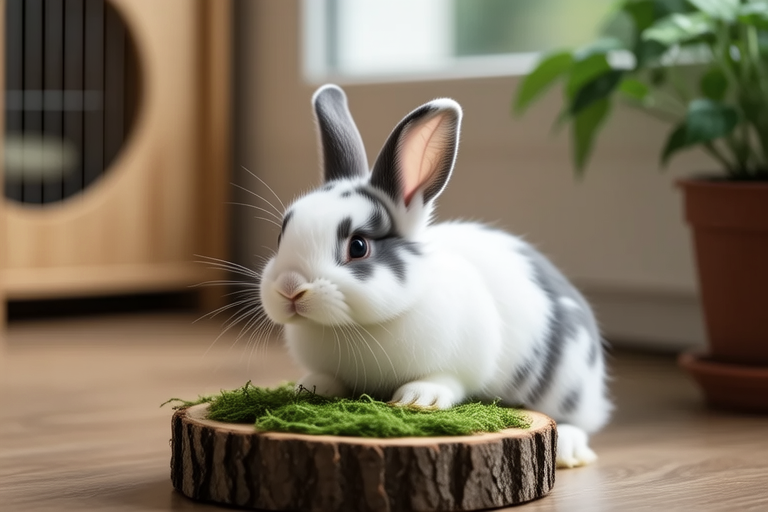
Top Tips for Keeping Your Dutch Dwarf Rabbit Healthy and Active
Dutch Dwarf Rabbits are delightful pets known for their compact size, friendly demeanor, and striking appearance. However, like all animals, they require specific care to maintain their health and vitality. This guide offers essential tips for feeding, exercising, housing, grooming, and preventing common health issues in your Dutch Dwarf Rabbit.
Dietary Guidelines for Dutch Dwarf Rabbits
A balanced diet is crucial for the health of any rabbit, especially for the petite Dutch Dwarf. Their diet should primarily consist of hay, which aids in digestion and maintains dental health. Timothy hay is recommended for adult rabbits, while younger rabbits can benefit from alfalfa hay due to its higher calcium content. Fresh vegetables should make up about 10% of their daily intake. Safe choices include leafy greens like romaine lettuce, parsley, and cilantro. Limit fruits to occasional treats as they are high in sugar.
Commercial rabbit pellets should be provided in moderation. Look for high-quality pellets with a minimum of 18% fiber and no added sugars or artificial colors. Always provide fresh water in a sipper bottle or shallow dish to prevent contamination. Monitor your rabbit’s weight and adjust feedings as necessary to maintain a healthy body condition.
Exercise Recommendations for Dutch Dwarf Rabbits
Dutch Dwarfs are energetic and need regular exercise to stay fit. Provide them with ample space to move around, such as a large cage or playpen. Encourage physical activity by offering toys and tunnels that stimulate exploration. Rotate toys periodically to keep them engaged. Supervised outdoor time in a secure area can also be beneficial, but ensure protection from predators and extreme weather conditions.
Interactive playtime with owners helps strengthen the bond between you and your pet. Use treats as rewards during training sessions to motivate them. Be cautious about overexertion, especially in hot weather, as Dutch Dwarfs are prone to heatstroke. Always monitor your rabbit closely during exercise to prevent injury.
Housing Tips for Dutch Dwarf Rabbits
A well-designed living environment is vital for your Dutch Dwarf’s comfort and safety. Choose a spacious cage with a solid floor to prevent foot injuries. The cage should be at least 30 inches wide, 30 inches deep, and 24 inches tall. Provide plenty of bedding material, such as straw or shredded paper, for warmth and comfort. Ensure good ventilation and avoid placing the cage in direct sunlight or drafty areas.
Incorporate hiding spots and resting areas within the cage to give your rabbit a sense of security. Install ramps or stairs if needed to allow easy access to elevated areas. Clean the cage regularly to prevent ammonia buildup from urine and feces, which can cause respiratory problems. Change bedding frequently and disinfect the cage monthly.
Grooming Needs for Dutch Dwarf Rabbits
Dutch Dwarfs have short, dense coats that require regular grooming to prevent matting and skin irritation. Brush your rabbit weekly using a slicker brush or comb. Pay special attention to areas behind the ears and under the chin where mats tend to form. Bathing should only be done when absolutely necessary, as it can stress your rabbit and disrupt natural oils.
Trim nails every few weeks to prevent overgrowth. Use a nail clipper designed for small animals and be careful not to cut the quick, which contains blood vessels. If unsure, consult a veterinarian for proper technique. Check your rabbit’s teeth regularly; overgrown teeth can cause pain and difficulty eating. Consult a vet if you notice signs of dental issues.
Common Health Issues and Preventive Care Advice
Like all breeds, Dutch Dwarfs are susceptible to certain health problems. Dental disease is one of the most common issues, often caused by improper diet or genetics. Regular dental check-ups and a balanced diet rich in hay can help prevent this. Gastrointestinal stasis, characterized by slowed gut motility, can be triggered by stress, dehydration, or poor diet. Encourage regular exercise and offer plenty of fresh water.
Malocclusion, or misalignment of the teeth, may occur in some rabbits, leading to overgrown teeth. Genetic predisposition plays a role here, so choose a reputable breeder when acquiring a new rabbit. Respiratory infections, including snuffles, can spread quickly among rabbits. Maintain a clean living environment and avoid exposing your rabbit to sick animals.
Ear mites and other parasites can infest your rabbit, causing discomfort and potential health risks. Regular inspection and prompt treatment of any signs of infestation are important. Vaccinations are generally not required for house rabbits, but discuss preventive measures with your veterinarian based on local conditions and your rabbit’s lifestyle.
Conclusion
By following these tips, you can ensure that your Dutch Dwarf Rabbit remains healthy, active, and happy. Remember that each rabbit is unique, so observe your pet’s behavior and adjust care accordingly. Regular veterinary check-ups, a nutritious diet, and a stimulating environment will contribute to a long and fulfilling life for your beloved companion. With proper care, you’ll enjoy many years of companionship with your Dutch Dwarf Rabbit.
