7 Fascinating Facts About the Vibrant and Bold Clownfish
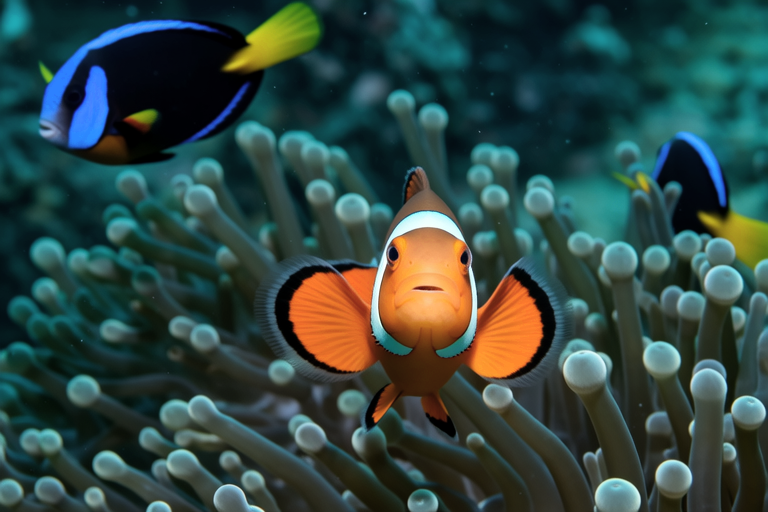
The clownfish, scientifically known as Amphiprioninae, is a beloved marine species that has captured the hearts of many with its vibrant colors and bold behavior. These fish are not only visually striking but also exhibit fascinating behaviors and unique adaptations that set them apart from other marine creatures. Let’s dive into seven captivating facts about these remarkable fish.
1. The Clownfish’s Diverse Color Palette
Clownfish come in a variety of hues, ranging from the iconic orange and white stripes to more exotic shades like maroon and black. This colorful spectrum is not just aesthetically pleasing; it serves a practical purpose. Their distinct markings help them blend into their natural environment, the tropical coral reefs, while also signaling to potential predators that they are unpalatable due to their symbiotic relationship with sea anemones. The vibrant patterns are also crucial for communication within their own species, helping them identify mates and rivals. Each species of clownfish has its own unique pattern, which can vary slightly even among individuals, making them easily recognizable to researchers and enthusiasts alike.
2. A Unique Symbiotic Relationship with Sea Anemones
One of the most intriguing aspects of clownfish biology is their symbiotic relationship with sea anemones. Clownfish live among the tentacles of sea anemones, which are cnidarians that possess stinging cells called nematocysts. These stinging cells are used by the anemone to capture prey and deter predators. However, clownfish have developed a thick mucus layer that protects them from the anemone’s sting. This adaptation allows the clownfish to move freely among the tentacles without being harmed. In return, the clownfish provide several benefits to the anemone. They clean the anemone by removing debris and parasites, thus reducing the risk of infection. Additionally, their movements help aerate the water around the anemone, promoting better gas exchange and enhancing photosynthesis for the algae living within the anemone’s tissues. This mutualistic relationship is a prime example of how nature fosters cooperation between seemingly unrelated organisms.
3. Clownfish: Masters of the Reef
Clownfish are highly territorial and fiercely defend their homes within the reef. They are particularly adept at navigating the complex network of coral structures, using their keen senses to locate food and avoid predators. Their agility and speed make them formidable opponents when it comes to defending their territory. Interestingly, clownfish exhibit a unique behavior where they perform a dance-like ritual before entering or leaving the anemone. This behavior, often referred to as ‘anemone dancing,’ involves rapid flicking of fins and darting movements. While the exact purpose of this behavior remains a subject of debate among scientists, it is believed to serve multiple functions, including strengthening the bond between the clownfish and the anemone and potentially deterring other fish from encroaching on their territory.
4. A Matriarchal Society
Clownfish societies are organized in a fascinating way, with females holding the dominant role. Within a group, there is typically one breeding female, who is the largest and most aggressive member. Below her in the hierarchy is the breeding male, followed by non-breeding males. If the dominant female dies, the largest male will quickly transform into a female, taking over the role of the breeding female. This phenomenon, known as sequential hermaphroditism, is a rare and remarkable trait in the animal kingdom. It ensures the continuity of the species by allowing the remaining members of the group to continue breeding without waiting for a new female to mature. This social structure not only highlights the adaptability of clownfish but also underscores the importance of cooperation within their communities.
5. Clownfish as Protectors of the Coral Reefs
Despite their small size, clownfish play a significant role in maintaining the health of coral reefs. They are known to consume algae that could otherwise smother coral polyps, thereby promoting the growth of healthy coral. This feeding behavior helps maintain a balance in the ecosystem, preventing the overgrowth of certain species of algae. Furthermore, clownfish contribute to the overall biodiversity of the reef by serving as a food source for larger predators. Their presence attracts various species of fish, which in turn brings in apex predators, creating a complex web of interactions that supports the entire reef community. By protecting the coral and contributing to the food chain, clownfish are essential players in the delicate balance of life within the reef.
6. The Clownfish Life Cycle: From Egg to Adult
The life cycle of a clownfish is both fascinating and intricate. After mating, the female lays hundreds of eggs on a flat surface near the anemone. The male then fertilizes the eggs and takes on the responsibility of guarding them until they hatch. During this period, he carefully fans the eggs with his fins to ensure proper oxygenation and keeps predators at bay. Once the eggs hatch, the tiny larvae enter the water column, where they drift with ocean currents for several days. This pelagic stage is critical for the survival of the larvae, as they must find suitable habitats and avoid predation. After a few days, the surviving larvae settle on the reef and seek out a host anemone, beginning their symbiotic relationship. This journey from egg to adult is fraught with challenges, and only a small percentage of larvae survive to adulthood, highlighting the resilience and adaptability of the clownfish.
7. Clownfish in Popular Culture
Perhaps the most famous representation of clownfish is in the animated film Finding Nemo, which brought these fascinating creatures to the attention of millions of people worldwide. While the movie took some creative liberties, it successfully captured the essence of clownfish behavior and their relationship with sea anemones. The film sparked a renewed interest in marine conservation and inspired many viewers to learn more about these animals. In reality, clownfish populations face threats from habitat destruction, climate change, and overfishing. Conservation efforts are crucial to ensure the survival of these vibrant and vital species. By supporting initiatives aimed at protecting coral reefs and marine ecosystems, we can help preserve the home of the clownfish and countless other marine species.
In conclusion, the clownfish is a remarkable creature with many unique characteristics that make it stand out in the marine world. From their vibrant coloration and symbiotic relationships to their complex social structures and contributions to reef health, clownfish are truly fascinating. Whether you’re a marine biologist or simply an admirer of the underwater world, there is always something new to discover about these bold and captivating fish.
