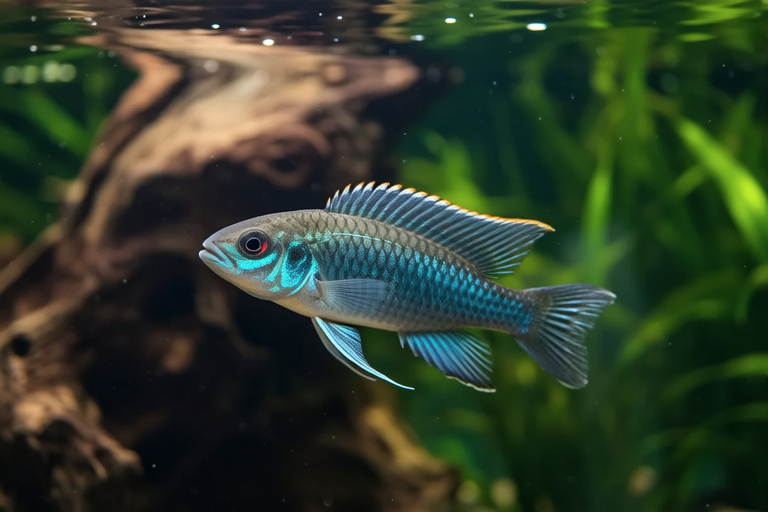
Unraveling the Mysterious Behavior of Rajah Cichlids in Home Aquaria
Rajah cichlids, also known as Aequidens rivulatus, are captivating and vibrant additions to any home aquarium. These freshwater fish hail from the Amazon River Basin, where they thrive in a specific set of environmental conditions. Understanding their natural habitat and the peculiarities of their behavior in captivity can greatly enhance your aquarium experience. This article delves into the unique behaviors of Rajah cichlids, comparing their natural habitat with typical home aquaria setups, common behavioral patterns, potential reasons for unusual behaviors, and tips for maintaining a healthy environment.
The Natural Habitat of Rajah Cichlids
Native to the Amazon River Basin, Rajah cichlids inhabit slow-moving rivers, floodplains, and tributaries. They prefer areas with dense vegetation and ample hiding spots among roots and rocks. In their natural environment, these fish exhibit territorial behavior, especially during breeding periods. The water in their native habitats is typically soft and acidic, with temperatures ranging between 75°F and 82°F (24°C to 28°C). Maintaining similar conditions in home aquaria can help replicate their natural environment and encourage more natural behavior.
Behavioral Patterns in Captivity
In home aquaria, Rajah cichlids often display a variety of behaviors that can be both fascinating and challenging for hobbyists. One of the most notable behaviors is their tendency to establish territories within the tank. They may become aggressive towards other fish, especially those of the same species or similar size, particularly when space is limited. This territoriality is a carryover from their natural habitat, where they compete for resources and mates.
Another common behavior is digging and rearranging the substrate. Rajah cichlids are known for their inclination to move gravel and sand around the bottom of the tank. While this can be visually interesting, it might also lead to increased water cloudiness and stress on plants if not managed properly. Providing ample hiding spots and structured environments can help reduce stress and promote more stable behavior.
Potential Reasons for Unusual Behaviors
Sometimes, Rajah cichlids may exhibit unusual behaviors that can be concerning for their keepers. These behaviors could include lethargy, loss of appetite, or signs of aggression beyond what is typical. Several factors could contribute to such behaviors:
- Stress: Changes in water parameters, overcrowding, or sudden shifts in tank conditions can cause stress, leading to abnormal behaviors.
- Health Issues: Parasites, bacterial infections, or nutritional deficiencies can manifest as behavioral changes. Regular monitoring and prompt action are crucial in addressing these issues.
- Environmental Factors: Insufficient hiding spots, lack of appropriate tank mates, or improper water conditions can all impact the fish’s behavior negatively.
Tips for Maintaining a Healthy Environment
To ensure the best possible environment for Rajah cichlids, consider the following tips:
Water Parameters
Maintain water parameters similar to those found in their natural habitat. Keep the pH level between 6.0 and 7.0, hardness at 2 to 10 dGH, and temperature between 75°F and 82°F. Regular testing and adjustments are necessary to prevent fluctuations that could stress the fish.
Substrate and Decorations
Provide a sandy or fine-gravel substrate to mimic their natural riverbeds. Incorporate plenty of rocks, driftwood, and plants to offer hiding places and structure. Live plants like Amazon swords and java fern can also provide additional benefits, such as oxygenation and filtration.
Feeding and Nutrition
Rajah cichlids are omnivorous and require a balanced diet. Offer a variety of foods including high-quality pellets, frozen or live foods like brine shrimp and bloodworms, and occasional vegetable matter. Ensuring a diverse diet helps maintain their health and energy levels.
How Behaviors Indicate Health and Well-being
The behavior of Rajah cichlids can serve as valuable indicators of their health and well-being. Active swimming, exploration, and normal feeding patterns suggest a healthy fish. Conversely, lethargy, reduced appetite, or excessive hiding can signal underlying issues that require attention. Observing your fish regularly allows you to catch problems early and take corrective measures promptly.
Conclusion
Rajah cichlids are fascinating creatures that bring both beauty and complexity to home aquaria. By understanding their natural habitat and behaviors, hobbyists can create environments that support their health and well-being. Providing the right conditions and closely observing their actions can lead to a rewarding and enriching experience for both the fish and their caretakers.
