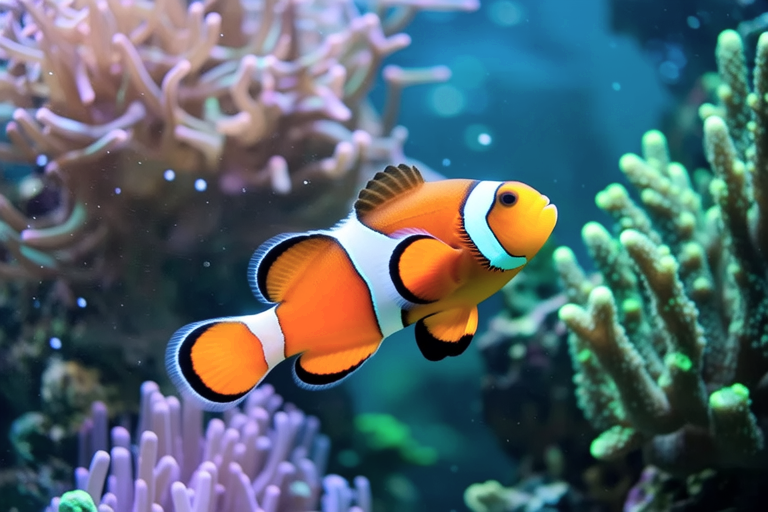
Top Secrets of Raising Happy and Healthy Clownfish at Home
Introduction to Clownfish Care
Clownfish, or Amphiprioninae, are among the most popular fish species for home aquariums due to their vibrant colors and friendly nature. Originating from the tropical waters of the Indo-Pacific region, these fish have become widely recognized through movies like Finding Nemo. However, raising clownfish requires more than just placing them in a tank; it demands a comprehensive understanding of their specific needs to ensure they thrive in a captive environment.
Starting with selecting the right species is crucial. There are over 30 different types of clownfish, each with unique characteristics. Researching beforehand will help you choose one that best suits your aquarium setup and lifestyle. Once chosen, proper feeding and maintaining clean water conditions are key factors in keeping clownfish healthy and happy.
Ideal Tank Setup Guidelines
The foundation for successful clownfish husbandry lies in creating an appropriate habitat within your home aquarium. A well-planned tank provides not only physical space but also mental stimulation necessary for the fishes’ overall well-being.
- Tank Size: For single clownfish, a minimum volume of 20 gallons is recommended; however, if you plan on housing multiple individuals or combining them with other marine life, consider increasing this capacity accordingly.
- Water Parameters: Maintain stable salinity levels between 1.020 – 1.025 specific gravity, pH range of 8.1 – 8.4, and temperature around 75°F (24°C).
- Substrate & Decorations: Use fine-grained sand or crushed coral as substrate. Incorporate live rock structures which offer hiding spots and contribute positively towards biological filtration.
Water Quality Management Tips
Maintaining excellent water quality is paramount when caring for clownfish. Poor conditions can lead to stress, illness, and even death. Here are some effective strategies:
- Frequent Water Changes: Perform partial water exchanges every week to remove accumulated waste products.
- Proper Filtration: Invest in high-quality filters capable of handling biological, mechanical, and chemical filtration processes.
- Air Stones: These devices enhance oxygenation by introducing bubbles into the water column.
Suitable Diet Recommendations
Feeding your clownfish appropriately ensures they receive all necessary nutrients for growth and reproduction. Their diet should consist mainly of marine flakes, pellets, frozen foods such as brine shrimp, mysis shrimp, and occasionally fresh vegetables like spirulina algae.
It’s important to note that overfeeding can be harmful, leading to obesity and digestive problems. Therefore, feed small portions twice daily rather than large meals once a day.
Common Health Issues and Prevention Methods
Despite best efforts, sometimes clownfish may encounter health challenges. Recognizing symptoms early allows prompt intervention, potentially saving lives.
| Health Issue | Symptoms | Prevention | Treatment |
|---|---|---|---|
| Ich Disease | White spots on body, rapid breathing | Regular water changes, quarantine new additions | Medicated baths, improved hygiene practices |
| Fin Rot | Damaged fins, lethargy | Stress reduction, maintain pristine water quality | Antibiotics, salt baths |
Interactive Enrichment Ideas for Clownfish
Providing enrichment activities helps stimulate clownfish both physically and mentally. This section offers creative suggestions tailored specifically for these delightful creatures:
- Plants: Introduce floating plants like hornwort or java moss to create natural hideaways.
- Live Rock: Not only does it serve functional purposes but also adds aesthetic value.
- Feeding Toys: Use puzzle feeders designed to challenge them while eating.
Frequently Asked Questions
- Can I keep clownfish with other species?
- Yes, but compatibility varies depending on the type of fish. Research potential tankmates carefully before making introductions.
- How often should I clean my tank?
- Perform routine maintenance tasks weekly, including water testing and partial water changes.
- What size tank do I need?
- For solitary clownfish, a minimum of 20 gallons is advisable. Larger setups accommodate more inhabitants comfortably.
