Why Do Cats Purr? Explained!
Unlock the Secrets of Cat Purring
Introduction to Cat Purring
Cats are known for their distinctive purring sound, a low-frequency vibration that is often associated with contentment and relaxation. However, there are many misconceptions about why cats purr. In this article, we will explore the various theories behind cat purring, the physiological mechanisms involved, and the benefits it provides both to cats and humans.
Definition and Sound Description
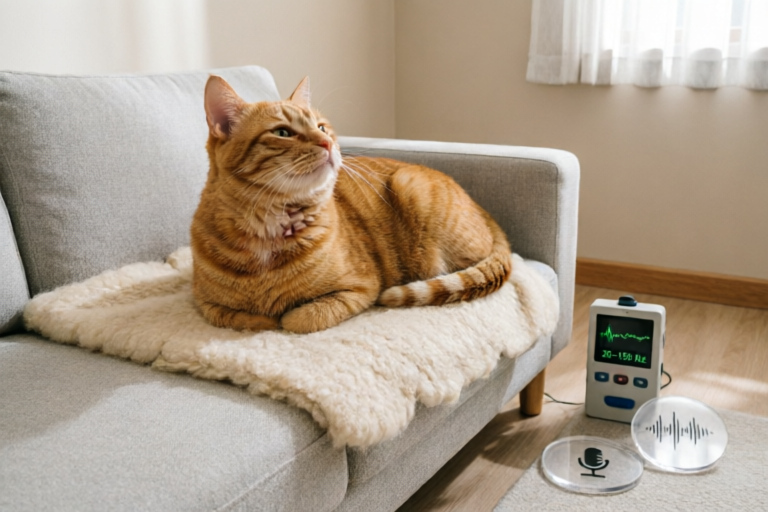
Purring is a soft, rhythmic, vibrating sound produced by cats. It typically ranges between 25 and 150 Hertz, which is within the frequency range that promotes healing and bone growth in humans. Contrary to popular belief, cats do not only purr when they are happy or content; they also purr when they are stressed, injured, or even giving birth.
Common Misconceptions About Why Cats Purr
One common misconception is that cats purr exclusively when they are happy. While this can be true, cats also purr in stressful situations, such as during visits to the vet or when they are in pain. Another misconception is that all cats purr in the same way. In reality, different breeds and individual cats may have variations in their purring sounds and frequencies.
Theories Behind Cat Purring
Stress Relief and Comfort Mechanism
Cats often purr to self-soothe in stressful situations. This comforting behavior helps them manage anxiety and fear. Studies suggest that the act of purring releases endorphins, which are natural painkillers and mood elevators. By engaging in this soothing activity, cats can reduce their stress levels and maintain a sense of calm.
Healing Properties and Pain Reduction
Purring has been linked to several healing properties. Research indicates that the low-frequency vibrations associated with purring can promote bone density, muscle strength, and faster healing from injuries and illnesses. These vibrations stimulate the repair of damaged tissues and organs, making purring a potential aid in recovery.
Communication with Humans and Other Animals
Cats use purring as a form of communication. They may purr to signal contentment, seek attention, or express submission. Additionally, kittens purr to communicate with their mothers, indicating that they are nursing and need care. This vocalization can also serve as a social bonding tool, fostering connections between cats and their human companions.
Physiological Mechanism of Purring
Laryngeal Muscles and Diaphragm
The exact mechanism behind purring is still not fully understood, but it involves the rapid contraction and relaxation of the laryngeal muscles and diaphragm. These movements create a vibrating effect that produces the characteristic purring sound. The frequency of these vibrations can vary depending on the cat's emotional state and physical condition.
Frequency Range and Its Significance
The frequency range of purring, typically between 25 and 150 Hertz, is significant because it falls within the therapeutic range for promoting healing in humans. This frequency has been shown to stimulate bone regeneration, reduce inflammation, and improve overall well-being. As a result, the purring of cats may offer healing benefits not only to themselves but also to their human caretakers.
Benefits of Purring for Cats
Improved Bone Density and Muscle Strength
The low-frequency vibrations produced by purring can stimulate bone regeneration and muscle growth. This process helps cats maintain strong bones and muscles, reducing the risk of fractures and improving mobility. Regular purring can contribute to overall skeletal health, especially in older cats who may be more prone to osteoporosis.
Faster Healing from Injuries and Illnesses
Cats that purr frequently tend to heal faster from injuries and illnesses. The vibrations associated with purring can accelerate the healing process by increasing blood flow, reducing inflammation, and promoting tissue repair. This natural healing mechanism can help cats recover more quickly and efficiently from various health issues.
Positive Impact on Mental Health
Purring can also have a positive impact on a cat's mental health. By engaging in this soothing behavior, cats can reduce stress, anxiety, and depression. The release of endorphins during purring can elevate mood and provide a sense of well-being. This emotional support can be particularly beneficial for cats in high-stress environments or those recovering from traumatic experiences.
Interaction Between Humans and Cats' Purring
Therapeutic Effects on Human Health
Humans who interact with purring cats may experience therapeutic benefits. The low-frequency vibrations of purring can reduce stress, lower blood pressure, and alleviate symptoms of depression and anxiety. Some studies suggest that regular exposure to purring can even improve cardiovascular health and enhance immune function. These benefits highlight the potential for using cat purring in complementary therapy.
Bonding and Emotional Connection
The bond between humans and cats can be strengthened through the shared experience of purring. When a cat purrs in the presence of its human companion, it signals trust and affection. This interaction fosters a deep emotional connection, enhancing the relationship between the two. The mutual exchange of comfort and care can lead to a more fulfilling and enriching partnership.
Mutual Benefits in Human-Cat Relationships
The interaction between humans and cats' purring is mutually beneficial. While cats benefit from the stress-relieving and healing properties of purring, humans can also experience improved mental and physical health. This symbiotic relationship highlights the importance of the bond between humans and their feline companions. Both parties can enjoy the therapeutic effects of this unique behavior, creating a harmonious and supportive environment.
Conclusion: Understanding the Mystery of Purring
In conclusion, cat purring is a complex and multifaceted behavior that serves various purposes. From stress relief and healing properties to communication and bonding, purring plays a vital role in a cat's life. By understanding the reasons behind this mysterious behavior, we can appreciate the unique relationship between cats and their human companions. Further research and continued appreciation of this fascinating phenomenon can deepen our understanding of cat behavior and enhance the well-being of both cats and humans.
Comments

I've seen videos of cats purring around injured birds. Does that mean they're helping them heal too?

Fascinating! The physiological mechanism sounds complex but makes total sense.

I love how my cat purrs when I'm sad. It really helps me feel better.

This explains so much! I've always wondered why my cat purrs when I'm sick too.

My cat purrs when she's stressed out. It's like she's trying to calm herself down.

How does the frequency range of purring affect healing exactly? More details please!

Wow, never knew purring could heal injuries! My cat always purrs when I pet her, guess she's healing herself too.