How Does Your Body Fight Off Infections?
Understanding Your Body's Defense Mechanisms
Introduction
The immune system is a complex network of cells, tissues, and organs that work together to defend the body against harmful pathogens such as bacteria, viruses, fungi, and parasites. Understanding how your body fights off infections is crucial for maintaining good health. This article will explore the various mechanisms your immune system uses to protect you from these invaders.
Innate Immune Response
Physical Barriers, Inflammation, and Phagocytes
Your body's first line of defense against infection includes physical barriers like skin and mucous membranes, which prevent pathogens from entering. If pathogens do manage to breach these defenses, inflammation kicks in, causing redness, swelling, and pain. This reaction helps isolate the infected area and signals other parts of the immune system to respond. Phagocytes, such as neutrophils and macrophages, are specialized white blood cells that engulf and destroy pathogens.
Natural Killer Cells and Interferons
Natural killer (NK) cells are part of the innate immune response and play a critical role in identifying and eliminating virus-infected cells and cancer cells. They recognize abnormal cells by detecting changes in cell surface markers. Interferons are proteins produced by cells in response to viral infections. These proteins alert neighboring cells to the presence of a virus and help them resist infection.
Adaptive Immune Response
B Cells, T Cells, and Antibodies
The adaptive immune response is more specific and targeted compared to the innate response. It involves B cells, which produce antibodies that neutralize pathogens, and T cells, which directly attack infected cells. Antibodies bind to specific antigens on the surface of pathogens, marking them for destruction by other immune cells.
Memory Cells and Long-Term Immunity
One of the most remarkable aspects of the adaptive immune response is its ability to remember past encounters with pathogens. Memory B and T cells remain in circulation long after an infection has been cleared. When the same pathogen reappears, these memory cells quickly mobilize, providing rapid and effective protection. This is the basis for vaccination, where weakened or inactive forms of pathogens are introduced to stimulate the production of memory cells without causing disease.
The Role of White Blood Cells
Different Types of White Blood Cells
White blood cells, also known as leukocytes, are essential components of both the innate and adaptive immune responses. There are several types of white blood cells, each with distinct roles:
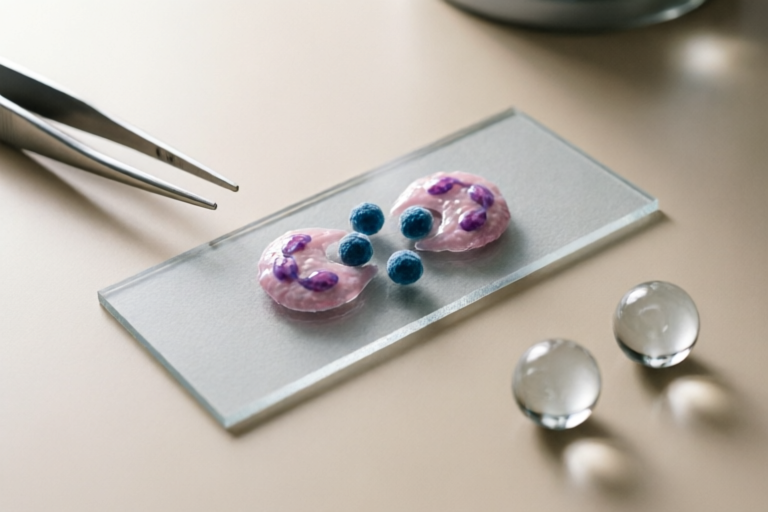
- Neutrophils: These are the most abundant type of white blood cell and are the first to arrive at sites of infection. They engulf and destroy bacteria and fungi.
- Monocytes: These cells differentiate into macrophages and dendritic cells, which are involved in phagocytosis and antigen presentation.
- Lymphocytes: These include B cells, T cells, and natural killer cells, which play key roles in the adaptive immune response.
Functions in Identifying and Eliminating Pathogens
White blood cells work together to identify and eliminate pathogens. Neutrophils and monocytes act as frontline defenders, while lymphocytes coordinate the adaptive response. Macrophages and dendritic cells present antigens to T cells, which then activate B cells to produce antibodies. This coordinated effort ensures that pathogens are efficiently eliminated before they can cause widespread damage.
Fever and Other Symptoms
Why Fever Helps Fight Infections
Fever is one of the most common symptoms of infection and serves as an important defense mechanism. Elevated body temperature creates an inhospitable environment for many pathogens, slowing their growth and reproduction. Additionally, fever enhances the activity of immune cells, making them more effective at combating infections.
Other Common Symptoms and Their Purpose
Other symptoms like coughing, sneezing, and nasal congestion are also part of the body's defense strategy. Coughing helps expel mucus and irritants from the lungs, while sneezing clears the nasal passages of foreign particles. These reactions may be uncomfortable, but they play a vital role in clearing out pathogens and promoting recovery.
Vaccines and Immunity Boosters
How Vaccines Work
Vaccines work by introducing weakened or inactive forms of pathogens into the body. This allows the immune system to recognize and respond to the pathogen without causing illness. Over time, the immune system develops a memory of the pathogen, providing long-lasting protection against future infections. This process is particularly effective for preventing diseases like measles, polio, and influenza.
Natural Ways to Boost Your Immune System
Maintaining a healthy lifestyle is essential for supporting immune function. Eating a balanced diet rich in fruits, vegetables, and whole grains provides the necessary nutrients for optimal immune function. Regular exercise, adequate sleep, and stress management also contribute to overall health. Additionally, certain supplements like vitamin C, zinc, and echinacea may help bolster the immune system, though it's important to consult with a healthcare provider before starting any new supplement regimen.
Conclusion
In summary, your body employs a sophisticated array of defenses to fight off infections. From the physical barriers of the innate immune response to the precise targeting of the adaptive response, every aspect of your immune system plays a crucial role in protecting you from harm. By understanding these mechanisms, you can take steps to support your immune function through healthy lifestyle choices. Remember, a strong immune system is your best defense against illness.
Comments

Great info! Keeping a balanced diet and regular exercise really do pay off.

I always used to worry about fevers, but now I see they're actually helpful. Nature's way of healing.

Did you know neutrophils are like tiny Pac-Man chasing germs?

I've always wondered how vaccines actually work. Thanks for breaking it down.

This explains why staying active and eating well is so important for keeping the immune system strong.
Interesting! So, when we have a fever, it's not just a symptom but actually helping us get better.

So, does that mean if I get a cold, my body is actually working harder to fight it off?

Wow, never knew our body had so many defenses! I always thought it was just about washing hands.