What Causes the Aurora Borealis?
Unravel the Mysteries of the Aurora Borealis
Introduction to the Aurora Borealis
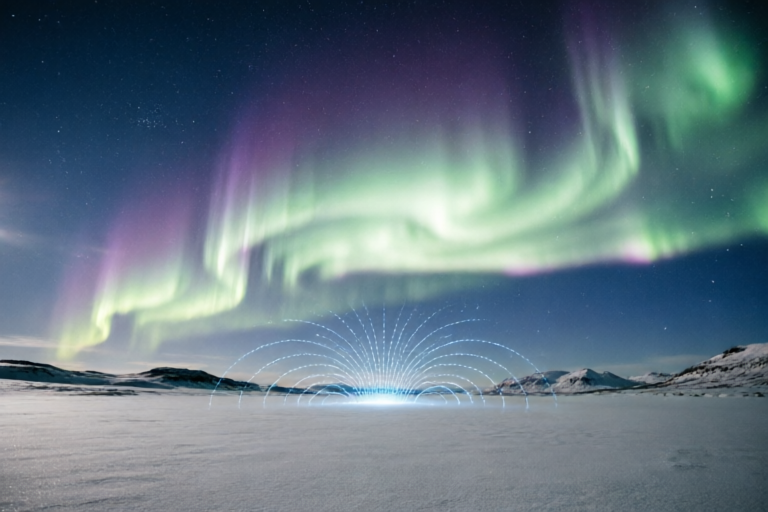
The Aurora Borealis, often referred to as the Northern Lights, is a stunning natural light display that occurs in high-latitude regions around the Arctic. This breathtaking phenomenon has captivated human imagination for centuries, appearing as shimmering curtains of green, pink, and purple light across the night sky.
Historically, the Aurora Borealis held significant cultural and spiritual importance for many indigenous peoples. In Norse mythology, the lights were believed to be reflections from the shields of the Valkyries. Today, understanding the causes of the Aurora Borealis not only satisfies our curiosity but also enhances our knowledge of space weather and its effects on Earth.
Solar Activity and Sunspots
Explanation of Solar Flares and Coronal Mass Ejections (CMEs)
The Aurora Borealis is primarily caused by solar activity, specifically events like solar flares and coronal mass ejections (CMEs). These powerful bursts of energy release charged particles into space, some of which travel towards Earth. Solar flares are sudden flashes of brightness on the Sun's surface, while CMEs involve large clouds of plasma being ejected into space.
How Sunspots Contribute to Increased Solar Activity
One of the key indicators of increased solar activity is the presence of sunspots. These dark areas on the Sun's surface are regions of intense magnetic activity. As these sunspots evolve and interact, they can trigger solar flares and CMEs, increasing the likelihood of auroras occurring on Earth.
The Role of Solar Wind in Aurora Formation
The solar wind, a stream of charged particles continuously emitted by the Sun, plays a crucial role in the formation of auroras. When this wind interacts with Earth's magnetic field, it can cause disturbances that lead to the aurora. The stronger the solar wind, the more likely an aurora will occur.
Earth's Magnetic Field and Magnetosphere
Overview of Earth’s Magnetic Field and Its Protective Role
Earth's magnetic field acts as a shield, protecting the planet from harmful solar radiation. This field extends far beyond Earth's surface, forming the magnetosphere. The magnetosphere deflects most of the solar wind particles away from Earth, but some particles are channeled along magnetic field lines towards the polar regions.
How the Magnetosphere Interacts with Solar Particles
When solar particles enter the magnetosphere, they interact with Earth's magnetic field. These interactions can cause the particles to accelerate and become trapped in the magnetosphere. As they move through the magnetosphere, they eventually reach the upper atmosphere near the poles.
The Effect of Geomagnetic Storms on Auroral Displays
Geomagnetic storms, which occur when there is a significant disturbance in Earth's magnetic field, can intensify auroral displays. During these storms, more solar particles enter the magnetosphere, leading to brighter and more extensive auroras. The severity of the storm determines the extent of the auroral display.
The Process of Aurora Formation
Interaction Between Solar Particles and Atmospheric Gases
Once solar particles reach the upper atmosphere, they collide with atmospheric gases such as oxygen and nitrogen. These collisions excite the gas atoms and molecules, causing them to emit light. The color of the aurora depends on the type of gas involved and the altitude at which the interaction takes place.
Excitation of Atoms and Molecules in the Atmosphere
Oxygen atoms, located at higher altitudes, produce red and green light. Nitrogen molecules, found at lower altitudes, emit blue and purple hues. The excitation process involves electrons in the atoms and molecules absorbing energy from the solar particles and then releasing it as light.
Color Variations and Their Corresponding Gases
The most common colors seen in auroras are green and pink. Green auroras are predominantly caused by excited oxygen atoms, while pink auroras result from nitrogen molecules. Other colors, such as red, blue, and purple, can also appear depending on the specific conditions and gases involved.
Geographic and Seasonal Factors Affecting Visibility
Regions Where Auroras Are Most Commonly Seen
Auroras are most commonly observed in high-latitude regions, particularly within the Arctic Circle. Countries like Norway, Sweden, Finland, Canada, and Alaska are popular destinations for aurora watchers. However, under certain conditions, auroras can also be visible at lower latitudes, especially during periods of heightened solar activity.
Optimal Times of Year for Viewing the Aurora Borealis
The best time to view the Aurora Borealis is during the winter months, typically from September to March. These months offer longer nights and clearer skies, making it easier to observe the aurora. Additionally, the winter solstice, around December 21st, is often considered the peak time for aurora visibility.
Weather Conditions That Enhance or Hinder Visibility
Clear, dark skies are essential for optimal aurora viewing. Cloud cover, moonlight, and light pollution can significantly reduce visibility. It's also important to note that auroras are more frequent during geomagnetic storms, so keeping an eye on space weather forecasts can increase your chances of witnessing this spectacular phenomenon.
Conclusion and Future Research
Summary of Key Factors Causing the Aurora Borealis
The Aurora Borealis is caused by the interaction between solar particles and Earth's atmosphere. Solar flares, CMEs, and sunspots contribute to increased solar activity, while Earth's magnetic field channels these particles towards the polar regions. The collision of these particles with atmospheric gases results in the emission of light, creating the vibrant colors we associate with auroras.
Ongoing Scientific Research and Technological Advancements
Scientists continue to study the Aurora Borealis to better understand its underlying mechanisms and the broader implications for space weather. Advances in technology, such as improved satellite observations and ground-based instruments, have enhanced our ability to monitor and predict auroral displays. This research not only deepens our knowledge of the universe but also helps protect Earth from potential space weather hazards.
Encouraging Further Exploration of Space Weather Phenomena
The Aurora Borealis is just one example of the fascinating phenomena that occur in our solar system. Encouraging continued exploration and research into space weather can lead to new discoveries and innovations. By fostering curiosity and appreciation for these natural wonders, we can inspire future generations to delve deeper into the mysteries of our universe.
Comments

Never knew this! Makes so much sense now. Nature is truly amazing.

Geomagnetic storms sound intense. Does this affect our technology down here on Earth too?

Visited the Arctic last winter and saw the lights. They were breathtaking!

So, does this mean we can see auroras anywhere if there's strong enough solar activity?

I always wondered why the colors change. Now I get it, thanks!

How do scientists predict when and where auroras will appear? Is it getting easier with new technology?

Wow, never knew sunspots played such a big role! This explains why I've seen more auroras during certain times.