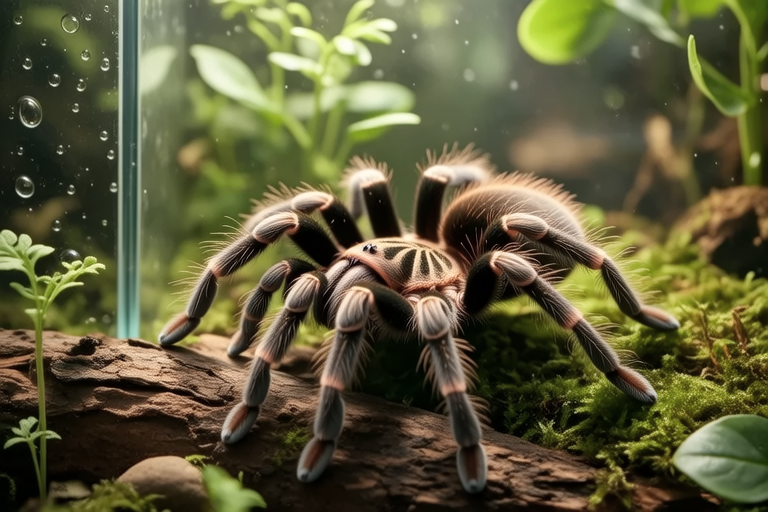
How to Keep Your Tarantula Happy and Healthy at Home
Welcome to the fascinating world of tarantulas! These magnificent creatures have captivated many with their unique appearance and intriguing behaviors. Whether you’re a seasoned arachnid enthusiast or a first-time tarantula owner, ensuring your pet’s happiness and health requires a comprehensive understanding of their specific needs. This guide will walk you through setting up the perfect habitat, maintaining optimal temperature and humidity levels, providing a nutritious diet, handling your tarantula safely, recognizing signs of good health, and addressing common health issues.
Creating the Perfect Habitat
The first step in keeping your tarantula happy and healthy is creating an environment that mimics its natural habitat. A terrarium or tank with adequate ventilation is ideal. The size of the enclosure depends on the species; smaller tarantulas require about five gallons of space, while larger species need ten gallons or more.
- Substrate: Use coconut fiber, bark chips, or a mixture of soil and sand. Ensure it’s deep enough for burrowing and retains moisture.
- Hiding Spots: Provide ample hiding spots made from cork bark, half logs, or artificial caves.
- Decorations: Add plants or rocks for aesthetic appeal but ensure they don’t obstruct the tarantula’s movement.
Adequate ventilation prevents mold growth and maintains air circulation. Avoid glass enclosures without proper ventilation, as they can lead to stagnant air and humidity imbalances.
Temperature and Humidity Requirements
Maintaining the correct temperature and humidity is crucial for your tarantula’s health. Most tarantulas thrive in temperatures between 75°F and 85°F (24°C to 29°C) during the day, dropping slightly at night. Use a digital thermometer placed inside the enclosure to monitor these conditions.
- Humidity: Aim for 60% to 80% relative humidity. Mist the substrate daily to achieve this level, especially if your home has dry air.
- Heating Devices: Employ under-tank heaters or heat mats to maintain consistent warmth. Avoid heat lamps, as they can cause overheating.
Regularly check temperature and humidity levels, adjusting as necessary. Consistency is key to preventing stress and illness.
Suitable Diet
Tarantulas are carnivorous and require a varied diet to stay healthy. Feed them appropriately sized insects like crickets, mealworms, superworms, and dubia roaches. Dust feeder insects with calcium and vitamin supplements before offering them to your tarantula.
- Feeding Frequency: Feed adult tarantulas once every one to two weeks. Juveniles may need food more frequently, depending on their size and growth rate.
- Water Source: Provide a shallow water dish filled with dechlorinated water. Replace the water regularly to prevent bacterial growth.
Monitor your tarantula’s eating habits. If it refuses meals or shows signs of weight loss, consult a veterinarian specializing in exotic pets.
Handling Tips
While tarantulas make fascinating companions, they are not meant for frequent handling. Always handle your tarantula with care and respect. Here are some guidelines:
- Preparation: Wash your hands thoroughly before and after handling to prevent the transfer of harmful bacteria.
- Gentle Approach: Gently coax the tarantula out of its hiding spot using a soft brush or stick. Never grab or pull it out.
- Support: Place the tarantula on a flat surface with edges. Avoid holding it in your hand unless necessary.
Respect your tarantula’s space. Frequent handling can stress the animal, leading to health problems or aggression.
Signs of a Healthy Tarantula
Understanding what constitutes a healthy tarantula is vital for proactive care. Healthy tarantulas exhibit the following characteristics:
- Appearance: Their exoskeleton should be shiny and smooth, free from discoloration or lesions.
- Behavior: They should move confidently within their enclosure, showing no signs of lethargy or abnormal movements.
- Feeding Habits: Regularly consume prey items without hesitation.
If you notice any deviations from these norms, investigate potential causes and take appropriate action.
Common Health Issues
Despite careful care, tarantulas can still encounter health issues. Recognizing symptoms early allows for prompt treatment. Some common problems include:
- Paralysis: Caused by improper handling or insufficient humidity. Symptoms include difficulty moving legs or paralysis. Increase humidity and consult a vet.
- Molting Problems: Incomplete molts can occur due to inadequate nutrition or environmental factors. Ensure proper diet and conditions.
- Infections: Bacterial infections may develop if the enclosure is unclean. Maintain hygiene and seek veterinary assistance.
Always observe your tarantula closely and address any concerns immediately.
Maintenance Routines
Regular maintenance ensures a clean and comfortable living environment for your tarantula. Here’s how to keep things running smoothly:
- Cleaning: Remove uneaten prey and waste weekly. Deep clean the enclosure monthly, replacing substrate entirely.
- Equipment Check: Inspect heating devices, thermometers, and hygrometers regularly. Replace faulty equipment promptly.
- Monitoring: Keep detailed records of feeding schedules, temperature, humidity, and any changes in behavior. This information proves invaluable when seeking professional advice.
Consistent care and attention contribute significantly to your tarantula’s overall well-being.
Understanding Tarantula Behavior
Observing your tarantula’s behavior provides insights into its health and happiness. Tarantulas are generally nocturnal, so they’re most active at night. During the day, they often remain hidden. Pay attention to how your tarantula interacts with its environment and responds to stimuli.
Understanding tarantula behavior helps you anticipate their needs and adjust care accordingly. For instance, increased activity might indicate the onset of a molt, while decreased activity could signal illness or stress.
Conclusion
Keeping your tarantula happy and healthy requires dedication and knowledge. By setting up an appropriate habitat, maintaining ideal temperature and humidity levels, providing a balanced diet, handling your tarantula gently, recognizing signs of good health, addressing common health issues, and adhering to regular maintenance routines, you can ensure your pet enjoys a long and fulfilling life. Remember, each tarantula is unique, so tailor your approach based on individual needs and preferences.
