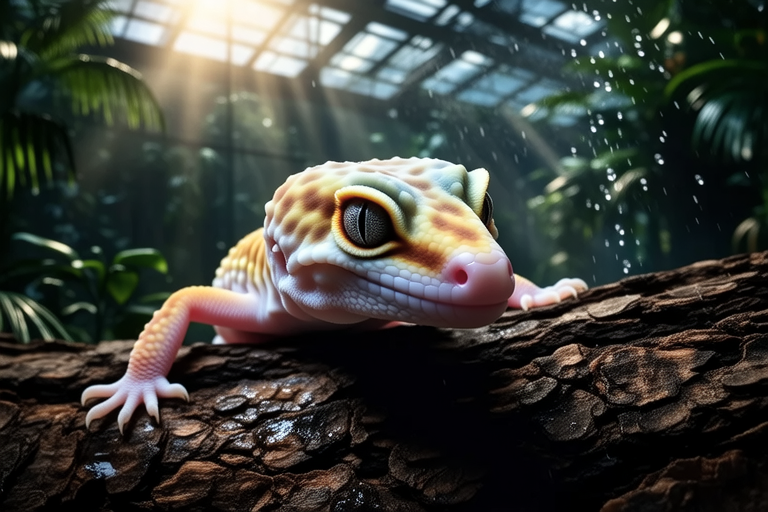
Chameleon Care Mistakes You Didn’t Know You Were Making
Chameleons are fascinating creatures with unique needs that can be easily overlooked by even the most attentive pet owners. Their care requires attention to detail and a deep understanding of their natural environment. This article will guide you through common yet overlooked errors in chameleon care, offering practical advice and explanations for why these mistakes should be avoided. We’ll cover habitat setup, diet, handling, lighting, and temperature control, ensuring your chameleon thrives under your care.
Habitat Setup: The Importance of Space and Plants
One of the most common mistakes in chameleon care is setting up an enclosure that doesn’t provide enough space or the right kind of plants. Chameleons are arboreal, meaning they spend most of their time in trees. They need ample vertical space to climb and explore. A standard 20-gallon aquarium is far too small for an adult chameleon. Instead, aim for a minimum of 36x18x18 inches (90x45x45 cm) for one adult chameleon.
The enclosure should mimic a forest environment with live or artificial plants for climbing and hiding. Overlooking this can lead to stress and behavioral issues. Without proper foliage, your chameleon may become stressed, leading to health problems such as metabolic bone disease or anorexia. To improve, invest in a larger tank and ensure it has plenty of branches and vines for climbing. Live plants are ideal, but if you choose artificial ones, make sure they are non-toxic and safe for your chameleon.
Diet: Feeding Habits and Nutritional Balance
Another frequent oversight is feeding your chameleon a diet lacking in variety and nutrients. Many owners rely solely on crickets, which can lead to malnutrition. Chameleons require a balanced diet that includes insects like dubia roaches, silkworms, and hornworms, as well as occasional treats like fruits or vegetables.
Failing to gut-load feeder insects before feeding them to your chameleon is another critical error. Gut-loading involves feeding the insects nutritious food before offering them to your chameleon. This ensures that your chameleon gets the vitamins and minerals they need from their prey. Neglecting this step can result in deficiencies that compromise their health. To avoid this, always gut-load your feeder insects with a high-quality commercial gut-load formula or fresh vegetables and fruits.
Handling: Gentle Interaction and Minimizing Stress
Overhandling is a significant mistake that many chameleon owners make. While it might seem like a way to bond with your pet, frequent handling can cause undue stress. Chameleons are solitary animals that prefer minimal human interaction. Excessive handling can lead to stress-related illnesses and behaviors such as lethargy, loss of appetite, or aggression.
To minimize stress, handle your chameleon only when necessary, such as during brief health checks or cage cleaning. Always support their body fully and avoid holding them too tightly. If you wish to interact more with your chameleon, consider enriching their environment with additional branches, hides, and climbing structures to encourage exploration and exercise within the safety of their enclosure.
Lighting: UVB Exposure and Proper Bulb Placement
Proper lighting is crucial for chameleons’ health, yet many owners overlook the importance of UVB exposure. UVB light helps chameleons synthesize vitamin D3, which is essential for calcium absorption and bone health. Using the wrong type of bulb or placing it incorrectly can prevent your chameleon from receiving adequate UVB exposure.
Many owners mistakenly believe that placing the UVB bulb at the top of the enclosure is sufficient. However, chameleons often sit on branches or hides that block direct UVB rays. To ensure your chameleon gets enough UVB, place the bulb at one end of the enclosure and arrange branches and hides so that your chameleon can move closer or further away from the light source as needed. Additionally, replace the bulb every six months, as UVB output diminishes over time.
Temperature Control: Maintaining a Stable Environment
Maintaining a stable temperature range is vital for your chameleon’s well-being. Many owners fail to monitor and regulate the temperature properly, leading to overheating or chilling. Chameleons require a gradient where they can thermoregulate, meaning they can move between warmer and cooler areas within their enclosure.
Overheating can occur if the basking spot is too hot or if there’s insufficient airflow. On the other hand, chameleons can suffer from chilling if the temperature drops below their preferred range. Both scenarios can lead to respiratory infections, dehydration, and even death. To maintain a healthy environment, use a digital thermometer and hygrometer to monitor temperature and humidity levels. Aim for a daytime temperature of 75-85°F (24-29°C) and nighttime temperatures around 65-70°F (18-21°C).
Hydration: Ensuring Proper Water Intake
Water intake is often underestimated in chameleon care. Many owners rely solely on water bowls, which chameleons rarely drink from. In the wild, chameleons obtain most of their water from dew or raindrops on leaves. Mimicking this behavior in captivity is crucial for their hydration.
Using a drip system or misting the enclosure several times a day can help your chameleon get the moisture they need. Additionally, placing a shallow water dish in the enclosure can provide an alternative source of drinking water. Ensure that the water is clean and changed regularly to prevent bacterial growth. Regular hydration checks and monitoring can help ensure your chameleon stays healthy and active.
Health Monitoring: Early Detection and Preventive Measures
Regular health checks are essential for early detection of potential issues. Many owners wait until symptoms become severe before seeking veterinary care. This delay can worsen the condition and reduce the chances of successful treatment.
Early signs of illness include decreased appetite, lethargy, abnormal shedding, or changes in coloration. Regularly inspect your chameleon for any unusual symptoms and consult a veterinarian specializing in exotic pets if you notice anything amiss. Preventive measures, such as regular vet check-ups and quarantine for new additions, can also help maintain your chameleon’s health.
Conclusion: Creating a Happy and Healthy Home for Your Chameleon
By addressing these common mistakes, you can create a happier and healthier home for your chameleon. Remember, each chameleon is unique, and their care requirements may vary slightly. Pay close attention to your pet’s behavior and adjust their environment accordingly. With the right knowledge and care, you can ensure your chameleon lives a long and fulfilling life.
