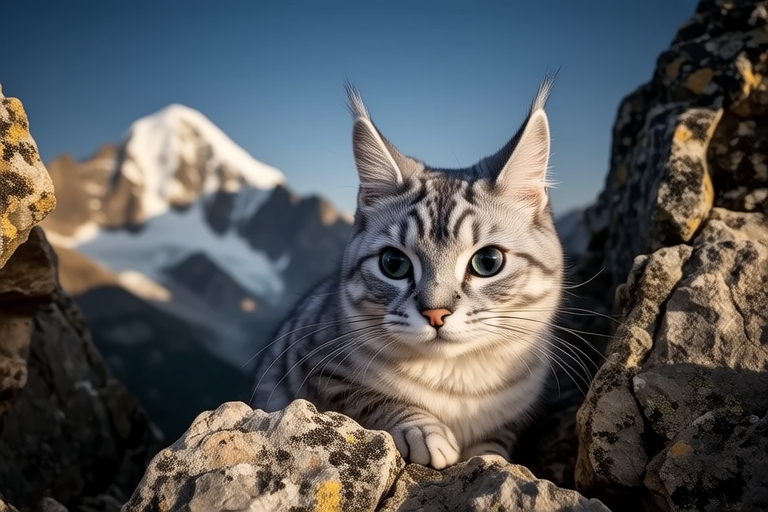
From the Andes to Your Home: The Journey of a Chinchilla
The chinchilla, a small, fluffy mammal native to the Andes Mountains, has captured human fascination for centuries. These remarkable creatures have journeyed from their natural habitat to become cherished pets in homes around the world. This article delves into the origins of chinchillas in the Andes, the history of their domestication, and the essential care needed to ensure they thrive in a domestic setting.
The Natural Habitat of Chinchillas in the Andes
Nestled high in the Andes Mountains of South America, chinchillas live in rocky, arid environments at elevations ranging from 3,000 to 5,000 meters above sea level. Their natural habitat is characterized by steep cliffs and rocky outcrops, providing ample hiding spots and protection from predators. The cold, dry climate of the Andes suits these animals perfectly, with temperatures often dropping below freezing during the night.
In their natural environment, chinchillas are highly social and live in large colonies, which can number in the hundreds. They communicate through a variety of vocalizations, including chirps, squeaks, and even a high-pitched scream when threatened. Their diet consists primarily of grasses, herbs, and the leaves of low-growing plants. Due to their nocturnal nature, chinchillas spend most of the day resting in their burrows, emerging at dusk to forage for food.
The Domestication of Chinchillas
The domestication of chinchillas began in the early 20th century, largely driven by their luxurious fur, which was highly sought after for making coats and hats. The first successful breeding of chinchillas in captivity occurred in 1918, when a Chilean mining engineer named Mathias F. Chapman captured a few chinchillas and brought them back to his ranch in Chile. Chapman’s efforts laid the foundation for the modern domestic chinchilla population.
Over time, chinchillas were selectively bred for their docile temperament and adaptability to life in captivity. This process led to the development of several distinct breeds, each with its own unique characteristics. Today, chinchillas are no longer hunted for their fur, and many countries have banned the practice. Instead, chinchillas are valued as companions and are widely kept as pets.
Caring for Chinchillas as Pets
Owning a chinchilla comes with significant responsibilities, but it also offers numerous rewards. Proper care is essential to ensure your pet remains healthy and happy. Here are some key aspects of chinchilla care:
Diet
A balanced diet is crucial for maintaining your chinchilla’s health. Their diet should consist mainly of hay, supplemented with chinchilla-specific pellets. Fresh water should always be available, and occasional treats like dried fruits or vegetables can be given in moderation. It’s important to avoid feeding chinchillas sugary or fatty foods, as these can lead to obesity and other health issues.
Housing
Chinchillas require spacious, well-ventilated enclosures that allow them room to move and play. A cage with multiple levels and plenty of vertical space is ideal, as chinchillas enjoy climbing and jumping. The enclosure should be lined with a soft bedding material, such as paper-based litter, to prevent injuries and promote comfort. Additionally, chinchillas need a dust bath to keep their fur clean and healthy; a shallow container filled with commercial chinchilla dust should be provided daily.
Health Needs
Regular veterinary check-ups are vital for monitoring your chinchilla’s health. Common health issues include dental problems, respiratory infections, and skin conditions. Signs of illness may include lethargy, loss of appetite, or changes in behavior. Early detection and treatment are key to ensuring your chinchilla’s well-being.
Tips for Integrating a Chinchilla into Your Home
Integrating a chinchilla into your home requires careful planning and consideration. Here are some tips to help you create a welcoming environment for your new pet:
- Prepare the Environment: Ensure your home is chinchilla-friendly by removing any potential hazards, such as toxic plants or small objects that could be swallowed. Provide a safe, quiet area where your chinchilla can rest and explore.
- Establish a Routine: Chinchillas thrive on routine, so establish a consistent schedule for feeding, cleaning, and playtime. This will help your chinchilla feel secure and comfortable in its new surroundings.
- Social Interaction: While chinchillas are independent animals, they still benefit from regular interaction with their owners. Spend time handling and playing with your chinchilla to strengthen your bond.
- Patience and Care: Owning a chinchilla requires patience and care. Be prepared to meet their unique needs and provide a loving, supportive environment.
Despite the challenges, owning a chinchilla can be a rewarding experience. These intelligent, curious animals offer companionship and joy to those who appreciate their uniqueness. By understanding and meeting their needs, you can ensure your chinchilla lives a long, healthy, and happy life.
From the rugged peaks of the Andes to the cozy corners of your home, the journey of the chinchilla is one of adaptation and companionship. Embrace the responsibility and reward of caring for these fascinating creatures, and you’ll find yourself enriched by their presence.
