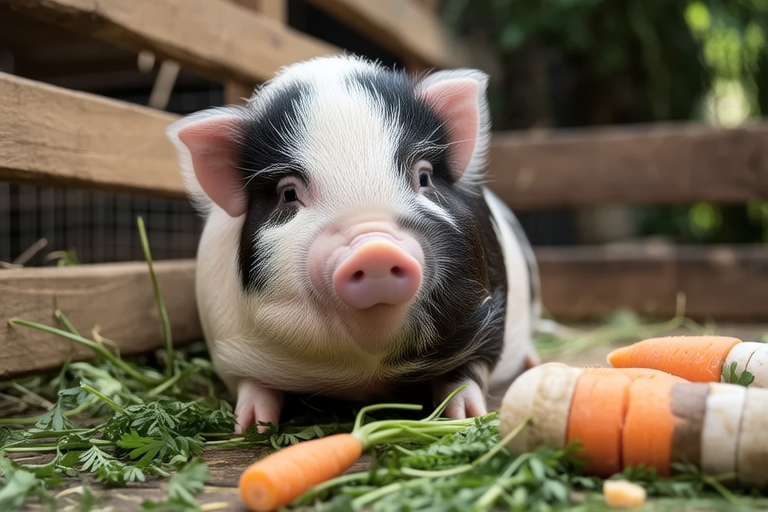
How to Create the Perfect Habitat for Your Guinea Pig
Guinea pigs, also known as cavies, are delightful pets that require a well-thought-out habitat to thrive. Creating the perfect home for your guinea pig involves understanding their needs and providing a stimulating yet safe environment. This guide will walk you through the essentials of setting up a suitable habitat, including cage selection, bedding, ventilation, temperature control, toys, food placement, and areas for hiding and resting. We’ll also cover the importance of maintaining cleanliness and how to mimic their natural environment.
Selecting an Appropriate Cage Size
The first step in creating the perfect habitat for your guinea pig is choosing the right cage size. A spacious cage is crucial because guinea pigs are active creatures that need room to move around, explore, and play. The minimum recommended cage size for one guinea pig is about 7.5 square feet (2 x 3.5 feet), but larger is always better, especially if you have more than one guinea pig. Providing ample space ensures they can exercise, reducing the risk of obesity and related health issues.
When selecting a cage, consider its height and shape. Guinea pigs love to stand upright, so a taller cage with a height of at least 18 inches is ideal. Opt for a cage with a solid floor rather than wire-bottomed ones, which can cause foot injuries. Additionally, choose a cage made from durable materials that can withstand chewing and digging.
Bedding Materials
The choice of bedding is critical for your guinea pig’s comfort and health. Look for bedding that is soft, absorbent, and dust-free to prevent respiratory problems. Popular choices include shredded paper, recycled paper pellets, and wood shavings (avoid cedar and pine due to their aromatic oils). Bedding should be changed regularly to maintain hygiene and prevent the buildup of ammonia from urine.
Place the bedding at least two to three inches deep to provide cushioning and allow for burrowing. Avoid using straw, as it can irritate their eyes and ears. Provide a clean, comfortable sleeping area by adding a small nest or hammock made from fleece or flannel. This gives them a cozy spot to rest and feel secure.
Proper Ventilation
Guinea pigs need good air circulation to stay healthy. Ensure the cage has adequate ventilation to prevent the buildup of harmful gases like ammonia from urine. Well-ventilated cages reduce the risk of respiratory infections and other health issues. However, avoid placing the cage in drafty areas or near open windows where cold drafts could make your guinea pig uncomfortable.
Use mesh or wire sides for ventilation, but make sure they are small enough to prevent your pet from escaping or getting injured. If necessary, cover part of the cage with a cloth to block direct sunlight and provide shade, especially during hot weather.
Temperature Control
Maintaining an optimal temperature is vital for your guinea pig’s well-being. Guinea pigs prefer temperatures between 65°F and 75°F (18°C to 24°C). Avoid exposing them to extreme heat or cold, as this can lead to stress and illness. In warmer months, keep the cage in a cool, shaded area and provide fresh water frequently. During colder periods, ensure the cage is insulated against drafts and consider using a heating pad placed under half of the cage to provide warmth without overheating the entire area.
Monitor the temperature regularly and adjust the environment as needed. Guinea pigs are sensitive to temperature changes, so maintaining a stable climate is key to their health.
Essential Toys and Accessories for Mental Stimulation
To keep your guinea pig mentally stimulated and physically active, provide a variety of toys and accessories. Chew toys, tunnels, and climbing structures encourage exercise and prevent boredom. Wooden blocks, cardboard boxes, and safe plastic toys are great options. Rotate toys periodically to keep things interesting and engaging.
In addition to toys, include accessories like a hay rack for easy access to hay and a water bottle with a sipper tube. These items promote natural behaviors and help maintain dental health. Avoid plastic toys with small parts that could be ingested, and always supervise when introducing new items to ensure safety.
Safe and Nutritious Food Placement
Proper food placement is essential for your guinea pig’s diet and digestion. Place a heavy ceramic food dish in a corner of the cage to prevent tipping. Fill the dish with high-quality guinea pig pellets and fresh vegetables daily. Ensure the pellets are specifically formulated for guinea pigs, as they require a diet rich in vitamin C.
Provide unlimited access to timothy hay, which aids digestion and keeps teeth trimmed. Position the hay in a hay rack or scatter it throughout the cage for foraging. Fresh water should be available at all times, either in a sipper bottle or a heavy, spill-proof dish.
Areas for Hiding and Resting
Guinea pigs are social animals but also need private spaces to retreat and rest. Provide a hide box or tunnel where they can feel secure and protected. These can be simple cardboard boxes lined with soft bedding or commercially available hideouts designed for small pets. Make sure the entrance is large enough for your guinea pig to enter comfortably.
Arrange the hide box in a quiet corner of the cage away from high-traffic areas. This creates a peaceful sanctuary where your guinea pig can relax and sleep undisturbed. Multiple hide boxes can be provided for pairs or groups of guinea pigs to ensure each one has its own personal space.
Cleanliness and Regular Maintenance
Maintaining cleanliness is paramount for your guinea pig’s health. Clean the cage thoroughly once a week, removing all bedding and scrubbing the cage with a mild disinfectant solution. Rinse and dry the cage completely before replacing the bedding and accessories.
Spot-clean the cage daily by removing soiled bedding and uneaten food. Check for signs of illness or injury, such as runny eyes, nasal discharge, or wounds. Regular cleaning prevents the accumulation of bacteria, parasites, and odors, promoting a healthy living environment.
Mimicking Their Natural Environment
To ensure your guinea pig feels comfortable and secure, aim to recreate aspects of their natural environment. Guinea pigs are native to grasslands and savannas, so providing a lush, green space within their cage is beneficial. Use potted plants or grass mats to simulate outdoor grazing. These items not only provide enrichment but also offer opportunities for natural behavior.
Consider the lighting conditions in your home. Guinea pigs are crepuscular, meaning they are most active during dawn and dusk. Mimic these light cycles by providing consistent exposure to natural light or using full-spectrum lighting fixtures. This helps regulate their circadian rhythms and promotes overall well-being.
Tips for First-Time and Experienced Owners
For first-time owners, take time to research and prepare before bringing your guinea pig home. Familiarize yourself with their dietary needs, behavioral patterns, and common health issues. Consult with a veterinarian who specializes in small animals for guidance and support.
Experienced owners can enhance their guinea pig’s habitat by incorporating new elements and refining existing setups. Experiment with different types of toys, bedding, and accessories to find what works best for your pet. Stay informed about advancements in guinea pig care and incorporate new knowledge into your routine.
Creating the perfect habitat for your guinea pig requires attention to detail and a commitment to providing a safe, stimulating, and comfortable environment. By following these guidelines, you can ensure your guinea pig enjoys a happy, healthy life filled with joy and exploration.
