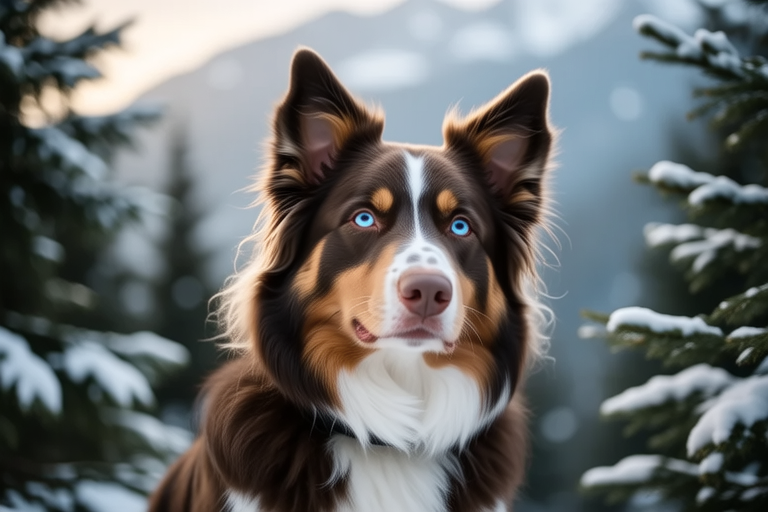
Norwegian Dogs: A Journey Through Unique Breeds
From the rugged landscapes of Norway come some of the most resilient and versatile dog breeds in the world. These breeds have not only thrived in the harsh Scandinavian climate but have also played significant roles in the lives of Norwegians for centuries. This article delves into three iconic Norwegian breeds: the Norwegian Elkhound, the Lundehund, and the Buhund. Each breed boasts unique origins, physical characteristics, temperaments, and historical roles that have contributed to their enduring popularity as both companions and working dogs.
The Norwegian Elkhound: A Noble Hunter
The Norwegian Elkhound is one of the oldest spitz-type breeds, with a history dating back over 6,000 years. Originating from the forests of Norway, this breed was primarily used for hunting elk, hence its name. The Norwegian Elkhound’s robust build, sharp senses, and unwavering loyalty made it an invaluable partner for hunters.
Physical Characteristics
Standing at about 19 to 21 inches tall and weighing between 48 to 55 pounds, the Norwegian Elkhound is a medium-sized dog with a thick, double coat designed to protect against cold weather. Its coat is typically gray, with black tips on the guard hairs and lighter undercoat. The breed’s erect ears and curled tail further enhance its alert and active appearance.
Temperament and Historical Role
The Norwegian Elkhound is known for its friendly yet independent nature. It is loyal to its family but can be reserved with strangers. This breed is highly intelligent and trainable, making it an excellent companion for outdoor activities like hiking and camping. Historically, the Norwegian Elkhound’s primary role was to track and corner large game, such as elk, while barking to alert the hunter. Their tenacity and endurance allowed them to work tirelessly in the wilderness.
Suitability as a Companion and Working Dog
The Norwegian Elkhound’s intelligence and adaptability make it well-suited for various roles. As a companion, it enjoys spending time with its family and can thrive in active households. However, its strong prey drive means it may not be the best choice for homes with small pets. In terms of working abilities, the Norwegian Elkhound excels in activities that require stamina and determination, such as sledding and agility competitions.
Care Requirements and Health Issues
To keep a Norwegian Elkhound healthy, regular exercise is crucial. They need daily walks and opportunities to run and play. Proper grooming is also essential, especially during shedding seasons when their undercoat needs thorough brushing. Common health issues include hip dysplasia, elbow dysplasia, and progressive retinal atrophy (PRA). Regular veterinary check-ups and a balanced diet can help prevent these conditions.
Notable Achievements
The Norwegian Elkhound has been recognized for its contributions to Norwegian culture and heritage. It has been featured on the Norwegian postage stamp and is considered a national treasure. Additionally, the breed has won numerous awards in dog shows and competitions around the world.
The Lundehund: A Peculiar and Resilient Breed
The Lundehund is a rare and fascinating breed with a unique set of physical characteristics that distinguish it from other dogs. Originating from the Lofoten Islands off the coast of Norway, the Lundehund was bred specifically for retrieving puffin birds from their nests on steep cliffs. This breed’s agility and adaptability made it indispensable to fishermen.
Physical Characteristics
The Lundehund stands at approximately 13 to 15 inches tall and weighs between 15 to 20 pounds. It has six toes on each foot, which provide additional grip for climbing rocky terrain. The breed’s flexible joints allow it to twist its head backward and upside down, enabling it to retrieve puffins from narrow crevices. The Lundehund’s coat is short and dense, offering protection against the elements.
Temperament and Historical Role
The Lundehund is known for its gentle and affectionate nature. It forms strong bonds with its family and can be quite protective. Despite its small size, the Lundehund is brave and resourceful, qualities that were essential for its original role as a puffin retriever. The breed’s resilience and determination allowed it to thrive in challenging environments.
Suitability as a Companion and Working Dog
The Lundehund makes an excellent companion for active families who enjoy outdoor activities. Its playful and curious nature keeps it engaged and entertained. However, due to its unique physical traits, the Lundehund requires specialized care to maintain joint health. In terms of working abilities, the breed’s agility and problem-solving skills make it suitable for tasks that require precision and dexterity.
Care Requirements and Health Issues
Regular exercise is important for maintaining the Lundehund’s physical and mental well-being. However, its joints need special attention to prevent strain and injury. Joint supplements and low-impact exercises, such as swimming, are recommended. Common health issues include hip dysplasia, elbow dysplasia, and Lundehund Syndrome, a condition that affects the digestive system and joints. Early diagnosis and treatment can improve the quality of life for affected dogs.
Notable Achievements
The Lundehund has gained recognition for its unique features and historical significance. It has been featured in documentaries and books that highlight its role in Norwegian maritime history. The breed’s resilience and adaptability continue to inspire admiration among dog enthusiasts.
The Buhund: A Versatile and Loyal Companion
The Buhund, also known as the Norsk Buhund, is a versatile and loyal breed that has been a part of Norwegian life for centuries. Originating from the coastal regions of Norway, the Buhund was used for herding sheep and guarding properties. This breed’s versatility and intelligence have made it a popular choice for various roles.
Physical Characteristics
The Buhund stands at about 17 to 18 inches tall and weighs between 26 to 33 pounds. It has a compact and sturdy build, with a thick, weather-resistant coat that comes in two colors: wheaten or black. The breed’s erect ears and alert expression give it a keen and watchful appearance.
Temperament and Historical Role
The Buhund is known for its friendly and sociable nature. It is loyal to its family and can be protective when necessary. The breed’s intelligence and adaptability make it well-suited for herding and guarding duties. Historically, the Buhund’s primary role was to assist farmers in managing their flocks and protecting their properties from predators.
Suitability as a Companion and Working Dog
The Buhund makes an ideal companion for active families who value loyalty and companionship. Its playful and energetic nature keeps it engaged and entertained. In terms of working abilities, the Buhund excels in herding trials and agility competitions. Its versatility also makes it suitable for therapy work and search and rescue missions.
Care Requirements and Health Issues
The Buhund requires regular exercise to maintain its physical and mental well-being. Daily walks and opportunities for play are recommended. Proper grooming is also important to keep its coat clean and free of mats. Common health issues include hip dysplasia, elbow dysplasia, and eye problems. Regular veterinary check-ups and a balanced diet can help prevent these conditions.
Notable Achievements
The Buhund has been recognized for its contributions to Norwegian agriculture and community service. It has been featured in exhibitions and events that celebrate Norwegian heritage. The breed’s versatility and loyalty continue to inspire admiration among dog enthusiasts.
Conclusion
The Norwegian Elkhound, Lundehund, and Buhund are just a few examples of the diverse and remarkable dog breeds that call Norway home. Each breed has its unique origins, physical characteristics, temperament, and historical roles that have contributed to its enduring popularity. Whether as companions or working dogs, these breeds offer much to those who choose to share their lives with them. By understanding their care requirements and health issues, potential owners can ensure that these special dogs live long, happy, and healthy lives.
