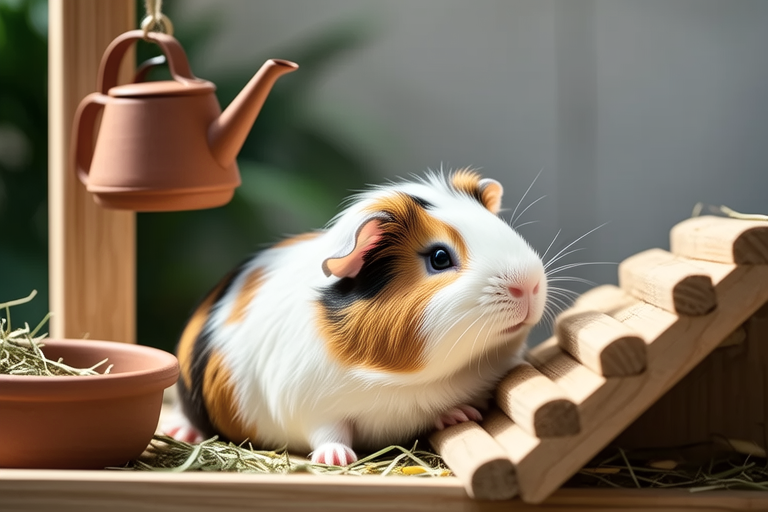
How to Create a Perfect Habitat for Happy Guinea Pigs
Welcome to your comprehensive guide on creating the perfect habitat for your beloved guinea pigs! Whether you’re a first-time owner or a seasoned guinea pig enthusiast, this guide will provide you with all the information you need to ensure your pets live a happy, healthy life. We’ll cover everything from selecting the right cage size and type to essential bedding materials, proper ventilation, temperature control, necessary toys and hiding spots, feeding areas, and regular cleaning routines. Additionally, we’ll offer tips on ensuring safety from predators and hazards, the importance of enrichment for mental stimulation and physical health, and how to adapt the habitat for different seasons and climates.
Selecting the Right Cage Size and Type
The first step in creating a perfect habitat for your guinea pigs is choosing the right cage. The cage should be large enough to allow your pets to move around freely and comfortably. A good rule of thumb is to have at least 7.5 square feet of space per guinea pig. This means that if you have two guinea pigs, you’ll need a cage that’s at least 15 square feet. Larger cages are always better, as they give your pets more room to explore and exercise.
When it comes to the type of cage, wire-bottomed cages are not recommended because they can cause foot injuries. Instead, opt for solid-bottomed cages made of plastic or glass. These types of cages are easier to clean and maintain, and they provide a safer surface for your guinea pigs to walk on.
Essential Bedding Materials
Choosing the right bedding material is crucial for your guinea pigs’ comfort and health. The bedding should be soft, absorbent, and dust-free. Some popular options include:
- Paper-based bedding: Made from recycled paper, this type of bedding is highly absorbent and easy to clean. It’s also free of dust and chemicals, making it a safe choice for your pets.
- Wood shavings: Cedar and pine shavings are commonly used, but they can release harmful oils that may irritate your guinea pigs’ respiratory systems. Opt for aspen wood shavings instead, which are safer and still provide excellent absorption.
- Cotton litters: These are soft and comfortable, but they can clump together, making them less absorbent than other options.
Regardless of the bedding material you choose, make sure to change it regularly to prevent the buildup of bacteria and odors. Aim to clean the bedding at least once a week, and spot-clean daily to keep your guinea pigs’ living area fresh and hygienic.
Proper Ventilation
Guinea pigs require good air circulation to stay healthy. Ensure that their cage has adequate ventilation by providing several small air holes along the sides and top of the cage. Avoid placing the cage in direct sunlight or near drafts, as these can cause temperature fluctuations that may stress your pets. Proper ventilation helps to reduce humidity levels, which can prevent the growth of mold and mildew in the bedding.
Temperature Control
Guinea pigs thrive in temperatures between 65 and 75 degrees Fahrenheit (18 to 24 degrees Celsius). They are sensitive to extreme temperatures, so it’s important to monitor the temperature in their living area and take steps to regulate it. In hot weather, provide additional ventilation and consider placing a cool, damp towel in the cage for your guinea pigs to lie on. In cold weather, place the cage in a warmer part of the house or use a heating pad specifically designed for pets to keep them comfortable.
Necessary Toys and Hiding Spots
Toys and hiding spots are essential for keeping your guinea pigs mentally and physically stimulated. Providing a variety of toys and hiding spots can help prevent boredom and promote natural behaviors. Some great options include:
- Tunnels: These provide a fun way for your guinea pigs to explore and hide. Make sure the tunnels are sturdy and have smooth edges to avoid injuring your pets.
- Chew toys: Guinea pigs love to chew, and providing safe, non-toxic chew toys can help keep their teeth healthy and prevent overgrowth. Look for toys made from untreated wood or cardboard.
- Hiding spots: Cardboard boxes or small igloos can serve as cozy hiding spots for your guinea pigs. These provide a sense of security and privacy, which is important for their well-being.
Rotate toys regularly to keep things interesting and prevent your guinea pigs from becoming bored. You can also add new items to their environment to encourage exploration and play.
Feeding Areas
Designating a specific area for feeding is important for maintaining cleanliness and preventing the spread of germs. Use a heavy-duty ceramic food dish that is easy to clean and resistant to tipping over. Place the dish in a quiet corner of the cage where your guinea pigs feel safe and comfortable eating. Make sure to clean the food dish daily to prevent the growth of bacteria.
Regular Cleaning Routines
Keeping your guinea pigs’ habitat clean is essential for their health and happiness. Establish a regular cleaning routine that includes daily spot-cleaning and weekly deep-cleaning. During daily spot-cleaning, remove any soiled bedding, leftover food, and droppings. For weekly deep-cleaning, remove all bedding and thoroughly clean the cage with a pet-safe disinfectant. Allow the cage to dry completely before adding fresh bedding and returning your guinea pigs to their home.
Ensuring Safety from Predators and Hazards
Guinea pigs are prey animals, and they can become stressed or frightened by sudden movements or loud noises. To ensure their safety, place the cage in a quiet, secure location away from windows, doors, and other potential sources of danger. Keep the cage out of reach of other pets, such as dogs or cats, who may see your guinea pigs as prey. If you have children, teach them to handle the guinea pigs gently and to respect their personal space.
In addition to protecting your guinea pigs from external threats, be mindful of potential hazards within their habitat. Avoid using toxic plants or decorations, and ensure that all toys and accessories are safe and appropriate for guinea pigs. Check the cage regularly for any signs of wear or damage that could pose a risk to your pets.
The Importance of Enrichment for Mental Stimulation and Physical Health
Enrichment is key to keeping your guinea pigs mentally and physically stimulated. In addition to providing toys and hiding spots, consider introducing new elements to their environment to encourage exploration and play. Rotate toys regularly and introduce new items to keep things interesting. You can also create obstacle courses or tunnels for your guinea pigs to navigate, which will challenge them physically and mentally.
Providing opportunities for social interaction is also important for your guinea pigs’ mental well-being. If you have multiple guinea pigs, ensure that they have enough space to interact and play together. If you only have one guinea pig, consider getting a companion to keep them company.
Adapting the Habitat for Different Seasons and Climates
The needs of your guinea pigs may vary depending on the season and climate. In hot weather, provide extra ventilation and cooling options, such as a cool, damp towel or a small fan placed outside the cage. In cold weather, use a heating pad or move the cage to a warmer part of the house. Always monitor the temperature in your guinea pigs’ living area and adjust as needed to ensure their comfort and safety.
If you live in an area with extreme weather conditions, consider investing in a climate-controlled enclosure or indoor habitat to protect your guinea pigs from the elements. This will provide a consistent environment for your pets, regardless of the season.
Conclusion
Creating a perfect habitat for your guinea pigs involves careful consideration of many factors, including cage size and type, bedding materials, ventilation, temperature control, toys and hiding spots, feeding areas, and regular cleaning routines. By following the tips outlined in this guide, you can ensure that your guinea pigs have a safe, comfortable, and enriching environment that promotes their mental and physical well-being. Remember to monitor their habitat regularly and make adjustments as needed to accommodate changing seasons and climates. With the right care and attention, your guinea pigs will lead happy, healthy lives.
