From Hairy Friend to Household Member: All You Need to Know About Chilean Rose Tarantulas
Welcome to the fascinating world of Grammostola rosea, better known as the Chilean Rose tarantula. These captivating arachnids have become increasingly popular as pets due to their docile nature and relatively low maintenance requirements. This article will guide you through everything you need to know about keeping a Chilean Rose tarantula as a household member.
The Unique Appeal of Chilean Rose Tarantulas
Chilean Rose tarantulas stand out among other tarantula species for several reasons. Their docile demeanor makes them ideal for beginners or those looking for a low-maintenance pet. Despite their intimidating appearance, they are generally calm and can be handled carefully, making them perfect for educational purposes or simply to enjoy their company. Additionally, their vibrant pink hue, which fades to a brownish color as they mature, adds an aesthetic appeal that many find charming.
Appearance and Temperament
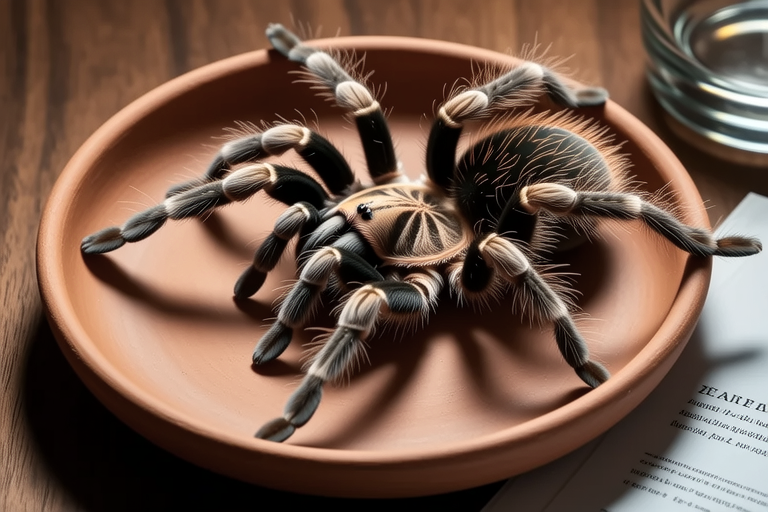
Chilean Rose tarantulas have a distinct appearance characterized by their fuzzy legs and a body covered in fine hairs. They typically reach a size of around 4 to 6 inches (10 to 15 cm) in length. Their colors range from a bright pink when young to a more subdued brown as they age. The temperament of these tarantulas is one of their most appealing features. They are generally non-aggressive and prefer to avoid confrontation, making them less likely to bite than many other tarantula species. However, it’s important to handle them gently to prevent any stress-induced reactions.
Common Misconceptions About Tarantulas
One common misconception about tarantulas is that they are aggressive and dangerous. While some species can be quite aggressive, the Chilean Rose tarantula is not one of them. Another myth is that tarantulas are venomous enough to pose a serious threat to humans. In reality, their venom is mild and primarily used to subdue prey. Handling a Chilean Rose tarantula with care will minimize any risks associated with their venom.
Essential Care Instructions
Habitat Setup
Setting up the correct habitat is crucial for the well-being of your Chilean Rose tarantula. A glass tank with a secure lid is recommended to prevent escapes. The tank should be at least three times the leg span of the tarantula in width and height, ensuring adequate space for climbing and burrowing. Provide a substrate layer of coconut fiber or peat moss that is deep enough for burrowing, typically 3 to 4 inches (7.5 to 10 cm).
Temperature and Humidity Requirements
Maintaining the right temperature and humidity levels is vital for your tarantula’s health. Keep the temperature between 75°F and 85°F (24°C to 29°C) during the day, dropping slightly at night. Use a digital thermometer and hygrometer to monitor these conditions accurately. Aim for humidity levels between 60% and 80%, which can be achieved by misting the enclosure occasionally.
Feeding Habits
Chilean Rose tarantulas are carnivorous and feed primarily on insects such as crickets, mealworms, and wax moths. Feed your tarantula once or twice a week, depending on its appetite. Ensure that the prey items are appropriately sized; a good rule of thumb is that the prey should not exceed half the size of the tarantula’s body. Dust the prey with calcium and vitamin supplements before feeding to ensure your pet gets all necessary nutrients.
Handling Tips
While Chilean Rose tarantulas can be handled, it’s important to do so cautiously. Always support the tarantula’s entire body when handling, never grabbing or pinching its legs. Let your tarantula get used to being handled gradually, starting with short periods and increasing over time. Remember, each tarantula has its own personality, so some may tolerate handling better than others.
Health Concerns and How to Address Them
Like any pet, Chilean Rose tarantulas can face health issues. Common problems include dehydration, mites, and molting difficulties. Regularly check your tarantula for signs of distress, such as lethargy, loss of appetite, or unusual behavior. If you notice any issues, consult a veterinarian specializing in exotic animals. Proper care, including maintaining optimal environmental conditions, can significantly reduce the risk of health problems.
Choosing the Right Tarantula for Your Household
Before bringing home a Chilean Rose tarantula, consider whether you’re prepared for the commitment. Owning a tarantula requires dedication to providing the right environment and regular care. Ensure that all household members, especially children, understand the responsibilities involved. While these tarantulas are generally safe, it’s crucial to respect their space and avoid sudden movements or loud noises near their enclosure.
In conclusion, Chilean Rose tarantulas make wonderful companions for those willing to take on the responsibility of caring for them. With their striking appearance, gentle nature, and manageable care requirements, they offer an enriching experience for pet enthusiasts. By following the guidelines provided here, you can ensure a happy and healthy life for your new hairy friend.
