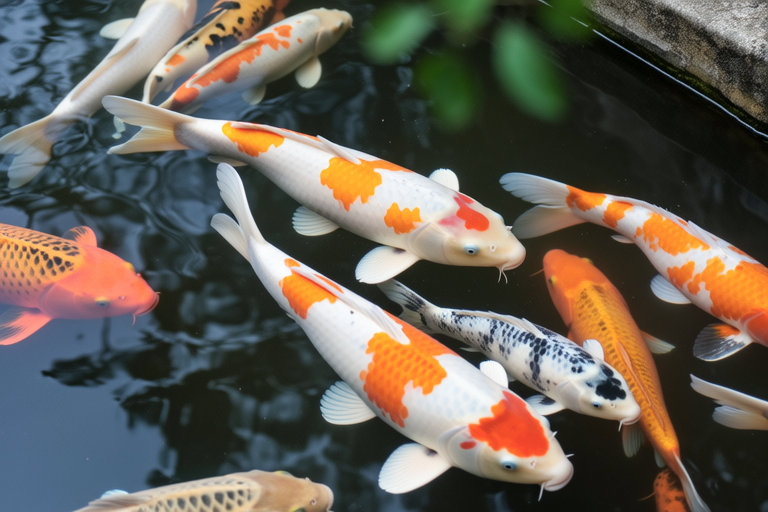
Exploring Koi Fish: Behaviors, Habitats, and Care Tips
Koi fish, with their vibrant colors and graceful movements, have captivated the hearts of many pond owners and aquarium enthusiasts around the world. These magnificent creatures are more than just pretty faces; they possess fascinating behaviors, unique habitats, and intriguing facts that make them one of the most beloved aquatic pets. This article delves into the captivating world of koi fish, exploring their lifespan, dietary habits, communication methods, and the environmental factors that influence their coloration and growth. Additionally, it sheds light on the myths and realities surrounding koi intelligence and their ability to recognize caretakers, providing essential tips for maintaining these beautiful fish in both ponds and aquariums.
The Lifespan of Koi Fish
One of the most remarkable aspects of koi fish is their longevity. With proper care, these fish can live for several decades, often exceeding 30 years. In some cases, well-cared-for koi have been known to reach up to 40 or even 50 years of age. Their long lifespan is a testament to their hardiness and adaptability, making them a rewarding long-term investment for any pond owner.
Dietary Habits
Koi fish are omnivores, meaning they eat both plant and animal matter. In the wild, their diet primarily consists of algae, insects, and small crustaceans. However, in captivity, they thrive on a variety of commercial koi food, which is specially formulated to meet their nutritional needs. These pellets are rich in proteins, fats, and carbohydrates, ensuring that the fish grow healthy and strong. Additionally, koi enjoy treats such as earthworms, shrimp, and other small invertebrates, which can be offered sparingly to supplement their regular diet.
Communication Methods
Despite their silent nature, koi fish have developed unique ways of communicating with each other. They use body language, such as flaring their fins or swimming erratically, to convey messages. Additionally, they can produce sounds, though these are usually too low-pitched for human ears to hear. Some researchers believe that these sounds may play a role in attracting mates or warning others of potential threats. While their communication methods are not as complex as those of higher vertebrates, they still serve important functions within the koi community.
Environmental Factors Influencing Coloration and Growth
The environment in which koi fish live has a significant impact on their coloration and growth. For example, exposure to sunlight can enhance the intensity of their colors, while poor water quality or insufficient nutrition can lead to dull or faded hues. Additionally, temperature fluctuations can affect their metabolism and growth rate. Koi fish grow faster in warmer waters but require cooler temperatures during the winter months to enter a state of dormancy. Maintaining optimal water conditions is crucial for promoting healthy growth and vibrant coloration in koi fish.
Myths vs. Realities: Koi Intelligence and Recognition of Caretakers
Koi fish have long been regarded as intelligent animals, capable of recognizing their caretakers and responding to their presence. While there is no concrete evidence to support the idea that koi fish possess human-like intelligence, they do exhibit behaviors that suggest a level of awareness and learning. For instance, they may become accustomed to being fed at certain times of the day and respond eagerly when their caretakers approach. However, it is important to note that this behavior is likely driven by conditioning rather than true recognition. Nonetheless, interacting with koi fish can be a rewarding experience, and their seemingly intelligent responses add to their appeal as pets.
Care Tips for Keeping Koi Healthy and Happy
Pond Maintenance
Maintaining a healthy pond is essential for the well-being of koi fish. Regular cleaning and filtration are necessary to ensure that the water remains clean and free from harmful bacteria. Additionally, it is important to monitor water parameters such as pH, ammonia, nitrite, and nitrate levels to ensure they remain within safe ranges. Providing adequate oxygenation through aeration devices or waterfalls can also help prevent stress and disease in koi fish. Furthermore, maintaining a stable water temperature and avoiding sudden changes can contribute to their overall health and happiness.
Aquarium Care
While koi fish are typically kept in outdoor ponds, they can also thrive in large aquariums with the right setup. A spacious tank equipped with efficient filtration and aeration systems is essential for mimicking their natural habitat. It is important to provide ample space for the fish to swim freely and include hiding spots and vegetation to create a sense of security. Additionally, maintaining optimal water quality and temperature is crucial for their well-being. Feeding them a balanced diet and monitoring their behavior for signs of stress or illness can help ensure their health and happiness in an aquarium setting.
Health Monitoring
Regular health checks are vital for detecting any potential issues early on. Look out for signs of stress, such as rapid breathing, lethargy, or abnormal swimming patterns. Additionally, keep an eye on their skin for any lesions, discoloration, or parasites. If you notice any concerning symptoms, consult with a veterinarian specializing in aquatic animals for proper diagnosis and treatment. Early intervention can prevent minor issues from developing into more serious health problems.
Winter Care
During the colder months, koi fish enter a state of dormancy known as torpor. To ensure their survival, it is important to prepare the pond or aquarium for winter by gradually lowering the water temperature and reducing feeding. Providing a deep area where the fish can rest undisturbed is also crucial. Additionally, installing a de-icer or aerator can help maintain oxygen levels and prevent ice formation. Proper winter care can help your koi fish survive the cold season and thrive once warmer weather returns.
Conclusion
Koi fish are truly remarkable creatures, combining beauty with intelligence and adaptability. Understanding their behaviors, dietary habits, and environmental needs is key to providing them with a healthy and happy life. Whether you choose to keep them in a pond or aquarium, following the care tips outlined in this article will help ensure that your koi fish thrive. By doing so, you can enjoy the companionship of these fascinating creatures for many years to come.
