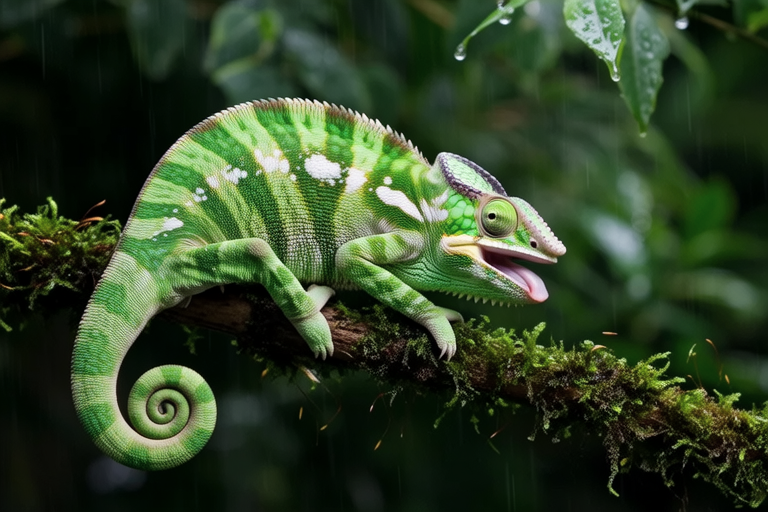
Top 10 Myths About Chameleons You Need to Stop Believing
Chameleons have long captured human imagination with their unique abilities and striking appearance. However, many misconceptions exist about these fascinating creatures. Understanding the truth about chameleons is crucial for their proper care and conservation. This article aims to debunk ten common myths about chameleons, providing factual information that will enhance your appreciation of these remarkable reptiles.
Myth 1: Chameleons Change Color to Match Their Environment
The most enduring myth about chameleons is that they change color to blend into their surroundings. While it’s true that chameleons can alter their skin color, this ability serves primarily for communication and temperature regulation rather than camouflage. Chameleons use color changes to express emotions, signal readiness to mate, or adjust to environmental temperatures. The vibrant colors also play a role in social interactions and stress responses.
Myth 2: Chameleons Can Only Live in Tropical Climates
Another misconception is that chameleons require tropical climates to survive. In reality, chameleons inhabit a wide range of environments, from deserts to rainforests. Each species has adapted to its specific habitat, with some thriving in cooler, drier conditions. When caring for a pet chameleon, it’s essential to replicate the natural environment as closely as possible, which may involve adjusting humidity levels and temperature gradients according to the species’ requirements.
Myth 3: Chameleons Can Detach Their Tails Like Lizards
Contrary to popular belief, chameleons cannot detach their tails like many lizards. Instead, their tails are prehensile, meaning they can wrap around branches for support and balance. Losing a tail can be harmful to a chameleon, as it affects their ability to climb and maintain balance. Proper handling techniques are vital to avoid accidentally causing injury to your pet.
Myth 4: Chameleons Only Eat Insects
While insects form a significant part of a chameleon’s diet, they are not the only food source. Depending on the species, chameleons may also consume plant matter, fruits, and even small vertebrates. A balanced diet for pet chameleons includes a variety of appropriately sized insects, such as crickets, mealworms, and dubia roaches, supplemented with leafy greens and occasional fruits. Ensuring a varied diet is key to maintaining their health.
Myth 5: Chameleons Are Easy Pets for Beginners
Chameleons are often mistakenly considered low-maintenance pets, but they actually require specialized care. Their enclosures need precise temperature and humidity control, appropriate lighting, and a well-balanced diet. Beginners may find it challenging to meet these needs, making chameleons better suited for experienced reptile enthusiasts. If you’re new to keeping reptiles, consider starting with simpler species before taking on the responsibility of a chameleon.
Myth 6: Chameleons Don’t Need UVB Lighting
UVB lighting is crucial for chameleons, as it aids in the synthesis of vitamin D3, which is necessary for calcium absorption. Without adequate UVB exposure, chameleons can develop metabolic bone disease, leading to serious health issues. Providing a full-spectrum UVB light is essential for maintaining their overall health, especially in captivity where natural sunlight is unavailable.
Myth 7: Chameleons Can Survive on Tap Water
Tap water often contains chemicals and minerals that can be harmful to chameleons. It’s important to use filtered or distilled water for their drinking and misting needs. Additionally, some species require higher humidity levels, which can be achieved through regular misting or the use of a humidifier. Ensuring clean, safe water is vital for the health and longevity of your pet.
Myth 8: Chameleons Are Nocturnal Creatures
Chameleons are diurnal, meaning they are active during the day. They rely on sunlight for warmth and to aid in digestion. Providing a basking spot with appropriate heat and UVB lighting is essential for their daily routine. Understanding their activity patterns helps in creating an environment that mimics their natural habitat, ensuring their well-being.
Myth 9: Chameleons Can Communicate Only Through Body Language
Chameleons communicate through a combination of body language, vocalizations, and color changes. Although they don’t produce sounds audible to humans, they can make clicking noises or hissing when threatened. Paying attention to these subtle cues can help you understand your pet’s mood and needs, fostering a stronger bond between you and your chameleon.
Myth 10: Chameleons Can Be Kept in Groups
Chameleons are solitary animals and should be housed individually. Keeping multiple chameleons together can lead to stress, aggression, and territorial disputes. Each chameleon requires its own space to thrive, complete with appropriate vegetation, climbing structures, and hiding spots. Respecting their need for solitude is crucial for their physical and mental health.
Tips for Proper Care of Chameleons
- Enclosure Setup: Provide a spacious enclosure with ample vertical space, as chameleons are arboreal and enjoy climbing. Use live plants or artificial ones to create a naturalistic environment.
- Temperature and Humidity: Maintain the correct temperature gradient and humidity levels for your specific chameleon species. Invest in a reliable thermometer and hygrometer to monitor these conditions.
- Diet: Offer a diverse diet of insects, supplemented with calcium and vitamins. Gut-load feeder insects with nutritious foods before feeding them to your chameleon.
- Lighting: Install UVB lighting to promote healthy vitamin D3 synthesis. Replace bulbs every six months to ensure effectiveness.
- Water: Mist the enclosure regularly to provide fresh water droplets for drinking. Alternatively, use a drip system or water bowl.
Conclusion
By dispelling these common myths, we gain a deeper understanding of chameleons and their unique characteristics. Proper care and respect for their individual needs are essential for their well-being. Encourage others to learn more about these fascinating creatures and share accurate information within your community. Together, we can contribute to the conservation and appreciation of chameleons worldwide.
