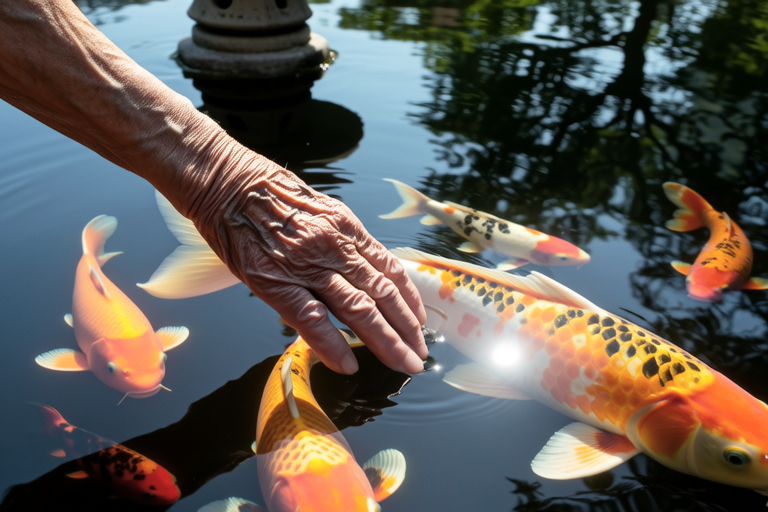
From Pond to Pal: How Koi Became More Than Just Pets
Koi fish, with their vibrant colors and graceful movements, have captured the hearts of many across the globe. Originating from Japan, these carp were initially bred for their beauty and were kept in ornamental ponds. Over time, koi keeping has evolved into a beloved hobby, transcending borders and cultures. This article explores the journey of koi from their origins in Japan to their current status as cherished companions.
The Origins of Koi in Japan
The history of koi can be traced back to ancient China, where they were first domesticated from common carp. In the 18th century, they were introduced to Japan, where selective breeding began to enhance their coloration and patterns. The term “koi” translates to “carp” in Japanese, but it soon became synonymous with the ornamental varieties we know today. Initially, koi were kept in small ponds for their aesthetic value, but their popularity grew rapidly.
In Japan, koi hold significant cultural importance. They symbolize good fortune, perseverance, and strength, often featured in art and literature. During the annual Boy’s Day festival, families display koinobori, colorful carp-shaped streamers, to wish for the health and success of their sons. The resilience of koi, especially their ability to swim upstream against strong currents, has made them a symbol of overcoming challenges and achieving success.
The Global Spread of Koi Keeping
As global travel and trade expanded, so did the popularity of koi. By the late 19th century, koi had been introduced to Europe and North America. Initially, koi were considered exotic specimens, but over time, they gained widespread appeal. Today, koi keeping is a popular hobby among aquarists and garden enthusiasts worldwide. The unique characteristics of koi, such as their vibrant colors, longevity, and interactive nature, have contributed to their enduring appeal.
One of the most remarkable aspects of koi is their lifespan. With proper care, koi can live up to 40 years or more, making them long-term companions. Their longevity allows for deep bonds to form between owners and their fish. Many koi enthusiasts share stories of their fish recognizing them and displaying affectionate behaviors. For instance, one owner recounts how her koi would swim towards her whenever she approached the pond, seemingly eager for attention.
Unique Characteristics of Koi
Koi are known for their stunning array of colors and patterns, ranging from vibrant reds and oranges to deep blacks and whites. These variations result from generations of selective breeding. Some popular varieties include Kohaku, Taisho Sanshoku, and Showa Sanshoku, each distinguished by its distinct color combinations and patterns. The intricate patterns on koi are a testament to the skill and dedication of breeders over centuries.
Another notable characteristic of koi is their intelligence and social behavior. Unlike many other fish species, koi are capable of learning and remembering certain stimuli, such as feeding times. They can also exhibit social hierarchies within their groups, establishing dominance and cooperation. This level of interaction makes koi more than just passive pets; they become active participants in the lives of their owners.
Anecdotes and Case Studies
John, a koi enthusiast from California, shares his experience with his koi, named Charlie and Daisy. John discovered that his koi recognized him and would swim to the surface when he approached the pond. Over time, he noticed that Charlie and Daisy exhibited different personalities. Charlie was more adventurous, always exploring new areas of the pond, while Daisy preferred to stay close to the edge. John found this dynamic fascinating and enjoyed watching the interactions between his two fish.
Another inspiring story comes from Sarah, a koi keeper from England. Sarah adopted a sickly koi named Oscar, who was near death when she first encountered him. With careful treatment and nurturing, Sarah helped Oscar recover and thrive. Over the years, Oscar became a beloved member of her family, often swimming up to greet visitors. Sarah’s story highlights the healing power of koi and the profound connections that can form between humans and these fish.
The Future of Koi Keeping
As koi keeping continues to grow in popularity, advancements in care and technology will likely play a significant role in shaping the future of the hobby. Innovations in water filtration systems, nutrition, and disease prevention will help ensure the health and longevity of koi. Additionally, there may be increased interest in sustainable practices, such as recycling pond water and reducing waste.
The enduring appeal of koi lies in their unique combination of beauty, intelligence, and companionship. Whether you’re a seasoned aquarist or a novice looking to start your koi pond, these fish offer a rewarding and enriching experience. As we move forward, the bond between humans and koi will undoubtedly continue to deepen, creating lasting memories and fostering a deeper appreciation for these magnificent creatures.
In conclusion, koi have come a long way from their origins in Japan, evolving into beloved companions around the world. Their vibrant colors, intelligence, and longevity make them more than just pets; they become cherished members of the family. As we look to the future, the continued evolution of koi keeping promises even more opportunities for connection and discovery. Whether you’re a seasoned enthusiast or just starting out, the world of koi offers endless possibilities for enjoyment and inspiration.
