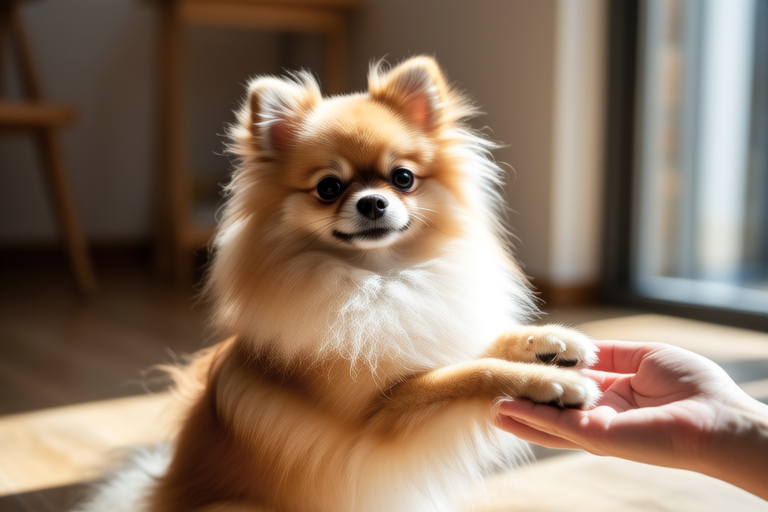
Pomeranian Training Tips: Taming the Tiny but Tenacious Companion
Training your Pomeranian can be an exciting and rewarding experience, especially when you consider the breed’s playful and intelligent nature. However, Pomeranians are also known for their stubbornness and strong-willed personalities, which can sometimes make training challenging. This article will provide you with practical tips on how to effectively train your Pomeranian, covering everything from housebreaking to managing their high energy levels.
Understanding Your Pomeranian
Pomeranians are small dogs with big personalities. They are alert, curious, and often very vocal, making them excellent watchdogs. Despite their small size, they have a strong sense of self-importance and can be quite independent. These traits mean that while they are eager to please, they may also be resistant to commands if they feel they are being dominated. It’s important to approach training with patience, understanding, and a consistent routine.
Housebreaking Techniques
Housebreaking a Pomeranian requires patience and consistency. Start by establishing a routine where your Pom knows when it’s time to go outside. Use verbal cues like “go potty” or “do your business” each time you take them out. Reward them with treats and praise when they eliminate outdoors. Keep them on a leash during these outings so they don’t wander off. If accidents happen indoors, clean the area thoroughly to remove any scent and avoid scolding your dog, as this can lead to fear-based behaviors.
Obedience Training Methods
Positive reinforcement is key when teaching your Pomeranian basic commands such as sit, stay, come, and down. Use treats and praise to reward desired behaviors. For instance, when teaching “sit,” hold a treat above your Pom’s head and say “sit.” As they look up, their bottom will naturally lower, and you can then say “good sit” and give them the treat. Gradually phase out the treats as your Pom learns to respond to the command alone.
Consistency is crucial. Make sure everyone in the household uses the same commands and rewards system. This helps your Pom understand what is expected and reinforces good behavior.
Socialization Strategies
Early socialization is essential for all puppies, and Pomeranians are no exception. Expose your Pom to various people, animals, environments, and situations from a young age. This helps prevent shyness, aggression, or fearfulness later in life. Puppy classes are a great way to introduce your Pom to other dogs and to practice basic obedience skills in a controlled setting.
When introducing your Pom to new experiences, keep interactions positive and short. Always supervise and ensure that encounters are calm and enjoyable. This will help build your Pom’s confidence and reduce anxiety in unfamiliar settings.
Managing High Energy Levels
Pomeranians have a lot of energy for their size, and it’s important to provide them with adequate outlets to expend this energy. Daily walks, playtime, and interactive toys can help keep your Pom physically and mentally stimulated. Consider puzzle toys or food-dispensing toys that challenge your Pom’s mind and reward them for problem-solving.
Exercise also plays a role in reducing unwanted behaviors. A tired Pom is less likely to engage in destructive chewing or excessive barking. Incorporate regular play sessions into your daily routine to help manage their energy levels.
Common Behavioral Issues and Solutions
Like many small breeds, Pomeranians can exhibit some challenging behaviors. Barking, biting, and separation anxiety are common issues that owners face.
- Barking: Pomeranians are naturally vocal and may bark excessively. To address this, teach your Pom the “quiet” command. When they start barking, say “quiet” and wait for them to stop. Once they are quiet, reward them with a treat. Consistent training can help reduce excessive barking.
- Biting: Pomeranians may bite due to teething or frustration. Provide appropriate chew toys and redirect biting behavior towards these items. Avoid rough play that encourages biting, and always supervise interactions with children or other pets.
- Separation Anxiety: Some Pomeranians develop separation anxiety, leading to destructive behaviors when left alone. To prevent this, gradually increase the amount of time your Pom spends alone. Start with short periods and slowly work up to longer absences. Crate training can also be helpful, as long as it is introduced positively and used appropriately.
Maintaining a Positive Training Environment
A positive training environment is crucial for successful training. Create a safe space where your Pom feels secure and comfortable. Use positive reinforcement to encourage good behavior and avoid punishment-based training methods. Punishment can lead to fear, anxiety, and a breakdown in trust between you and your dog.
Keep training sessions short and fun. Pomeranians have short attention spans, so frequent, brief sessions are more effective than long, drawn-out ones. End each session on a positive note, reinforcing good behavior and building a strong bond with your Pom.
The Importance of Consistency
Consistency is one of the most important factors in successful training. Dogs thrive on routine and predictability. Use the same commands and rewards every time, and ensure that everyone involved in caring for your Pom follows the same rules. This consistency helps your Pom understand what is expected and reinforces good behavior.
If you’re inconsistent with your commands or rewards, your Pom may become confused and unsure of what is expected. Over time, this can lead to behavioral problems and a breakdown in communication between you and your dog.
Unique Characteristics of Pomeranians
Pomeranians have several unique characteristics that owners should be aware of when training them. Their small size means they can be easily overstimulated, so it’s important to monitor their energy levels and provide appropriate outlets for their activity. Their independence and strong-willed nature require patient and gentle training approaches. Finally, their small stature makes them vulnerable to injury, so always handle them carefully and avoid rough play.
Conclusion
Training your Pomeranian can be a delightful journey filled with challenges and rewards. By understanding your Pom’s unique characteristics and employing positive reinforcement techniques, you can successfully train your tiny but tenacious companion. Remember to be patient, consistent, and loving throughout the process. With time and effort, you’ll have a well-behaved, happy Pomeranian who brings joy to your life.
