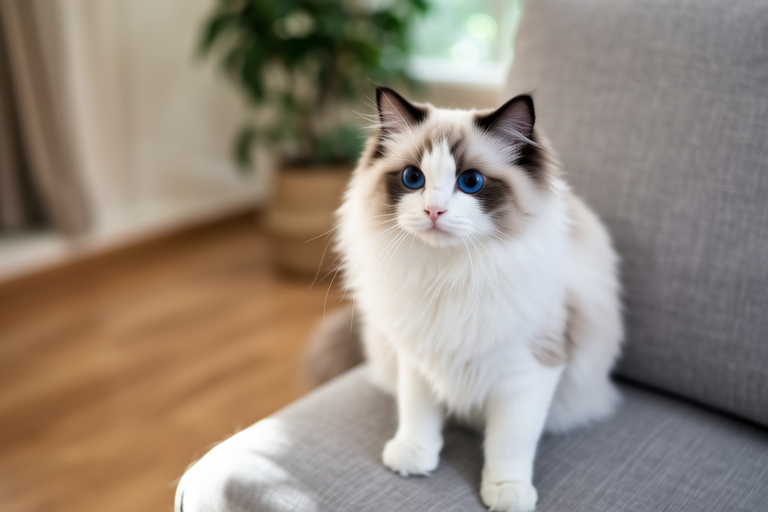
From Playful Pups to Gentle Giants: Transitioning with Your Ragdoll
Ragdolls are known for their friendly demeanor and affectionate nature, making them a favorite among cat lovers. As these feline companions transition from playful kittens to gentle giants, their care requirements and behaviors change significantly. Understanding these shifts can help you maintain a strong bond with your Ragdoll and ensure their well-being throughout their lives.
The Early Stages: From Kitten to Young Adult
Ragdolls are born with striking blue eyes and a soft, fluffy coat that gradually darkens as they mature. During the first six months, your kitten will be full of energy, exploring every corner of your home. This period requires careful attention to their diet, vaccinations, and socialization.
Feeding your Ragdoll kitten a high-quality, protein-rich food is crucial for their growth. Kittens need more calories per pound of body weight than adult cats, so feeding them small, frequent meals is ideal. Consult with your veterinarian to determine the best diet and feeding schedule for your growing kitten.
Vaccinations are also important during this stage. Kittens require a series of vaccines starting at around eight weeks of age, followed by boosters until they reach sixteen weeks. Regular check-ups with your vet are essential to monitor their development and address any health concerns early.
Socialization is key to ensuring your Ragdoll grows up to be a well-adjusted, confident adult. Expose your kitten to various environments, people, and other animals under supervision. This helps them become comfortable in different situations and reduces the likelihood of fear-based aggression or anxiety in adulthood.
Adapting the Home Environment
As your Ragdoll matures, you may need to make adjustments to your home to accommodate their changing needs. Ragdolls are known for their love of climbing, so providing vertical spaces like cat trees or shelves can satisfy their desire to explore higher ground. These structures also offer a safe retreat when your cat wants some quiet time.
To prevent accidents, consider installing cat-proof latches on cabinets and securing loose wires. Ragdolls, especially young ones, have a natural curiosity that can lead them to investigate potentially dangerous areas. Providing toys and scratching posts can help redirect their energy and reduce destructive behavior.
Creating a comfortable sleeping area is also important. Ragdolls tend to prefer warm, cozy spots, so a soft bed or blanket in a quiet corner of the house can provide them with a sanctuary. As they age, they may develop arthritis, so ensuring their resting places are easily accessible and supportive is beneficial.
Understanding Behavioral Shifts
One of the most noticeable changes in your Ragdoll’s behavior occurs as they transition from kittenhood to adulthood. While kittens are often hyperactive and playful, adult Ragdolls are known for their calm, laid-back personalities. This shift can be surprising for owners who are accustomed to their kitten’s constant activity.
Adult Ragdolls enjoy companionship but may be less inclined to engage in rough play. They prefer gentle interactions such as being petted, brushed, or simply sitting beside their owners. This change in behavior does not mean they have lost interest in you; rather, it reflects their maturing temperament.
Another common behavioral shift is increased vocalization. Some adult Ragdolls become more vocal, particularly if they are seeking attention or feeling neglected. Consistency in providing interaction and stimulation can help reduce excessive meowing. However, if you notice a sudden increase in vocalization or other unusual behaviors, consult your veterinarian to rule out any underlying health issues.
Maintaining Health and Strengthening the Bond
Regular veterinary check-ups are essential for maintaining your Ragdoll’s health throughout their life. Annual visits allow your vet to monitor their overall health, administer necessary vaccinations, and screen for potential health issues. Ragdolls are generally healthy cats, but they are prone to certain conditions like hypertrophic cardiomyopathy (HCM), a form of heart disease. Early detection and management of such conditions can improve your cat’s quality of life.
Grooming is another aspect of care that becomes increasingly important as your Ragdoll ages. Their semi-longhair coat requires regular brushing to prevent matting and hairballs. Daily brushing sessions can also strengthen the bond between you and your cat. Many Ragdolls enjoy grooming sessions and may even purr contentedly while being brushed.
Interactive playtime is vital for keeping your adult Ragdoll physically and mentally stimulated. Despite their calm demeanor, Ragdolls still need exercise to maintain a healthy weight and prevent boredom. Interactive toys that mimic prey, such as feather wands or laser pointers, can engage their hunting instincts and provide enjoyable play sessions. Incorporating playtime into your daily routine can also enhance the emotional connection between you and your cat.
Senior Care and Final Years
As your Ragdoll enters their senior years (typically around seven years old), their physical and mental needs continue to evolve. Senior cats often experience a decline in mobility and may develop arthritis or other age-related conditions. Providing a comfortable, low-stress environment is crucial during this stage.
Adjusting their diet to meet the nutritional needs of older cats is also important. Senior cat foods typically contain lower calories and higher levels of joint-supporting nutrients. Consult with your veterinarian to choose the right diet for your senior Ragdoll. Additionally, maintaining a consistent feeding schedule can help regulate their metabolism and promote digestive health.
Monitoring your senior Ragdoll’s weight and activity level is essential. Sudden weight gain or loss can indicate an underlying health issue. Regular weigh-ins and observations of their eating habits can help you identify any changes early. If you notice significant weight fluctuations or a decrease in appetite, contact your vet for advice.
In their final years, your Ragdoll may become more dependent on you for comfort and security. Spending quality time with them, offering gentle affection, and ensuring their environment remains familiar and stress-free can provide them with peace and contentment during this phase of their life.
Conclusion
Ragdolls are beloved for their gentle, affectionate nature and adaptability. As they transition from playful kittens to serene seniors, their care and interaction needs change, requiring attentive and loving owners. By understanding these shifts and adapting your approach accordingly, you can ensure your Ragdoll enjoys a happy, healthy life. Whether you’re a seasoned cat owner or new to the world of Ragdolls, the journey of raising one of these remarkable felines is both rewarding and enriching.
