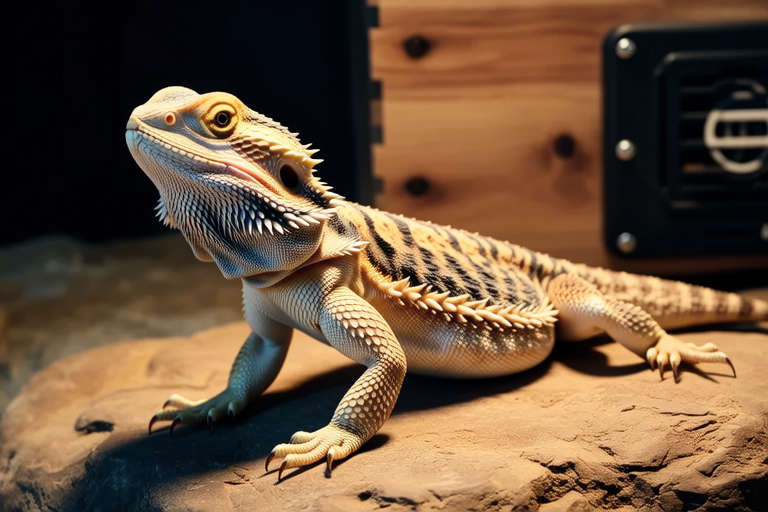
Bearded Dragon Care: Tips from Expert Owners
Welcome to the world of bearded dragon ownership! These fascinating reptiles are popular pets due to their docile nature and striking appearance. However, they require specific care to thrive. This guide offers essential tips from expert owners, covering diet, habitat setup, temperature control, lighting requirements, handling techniques, and common health issues.
Dietary Needs
Feeding your bearded dragon correctly is crucial for its overall health. A balanced diet includes insects, vegetables, and fruits. Juvenile dragons need more protein from insects like crickets, dubia roaches, and mealworms. As they mature, increase the proportion of leafy greens such as collard greens, dandelion greens, and mustard greens.
Expert Tip: Dust insects with calcium powder and multivitamin supplements before feeding. This ensures your dragon gets all necessary nutrients. Avoid feeding iceberg lettuce or spinach, which can cause health problems.
Real-Life Example: Sarah, a first-time owner, noticed her dragon was lethargic after feeding it too much spinach. After consulting a vet, she switched to nutrient-rich greens and saw her pet’s energy levels improve.
Habitat Setup
Create a comfortable environment for your bearded dragon. A 40-gallon tank is suitable for one adult dragon, while larger enclosures are better for multiple pets. Include a hide box, branches for climbing, and a shallow water dish. Use a substrate that’s easy to clean and safe for your pet, such as paper towels, reptile carpet, or eco-earth.
Expert Tip: Place the hide box at the warm end of the enclosure to allow your dragon to regulate its body temperature. Ensure branches are securely fastened to prevent falls.
Real-Life Example: John’s dragon kept escaping because he used loose substrate. After switching to paper towels, John’s pet stayed safely inside its enclosure.
Temperature Control
Maintain proper temperatures within the enclosure. The basking spot should reach 95-110°F (35-43°C), while the cooler side should be around 75-85°F (24-29°C). Use a digital thermometer to monitor these temperatures accurately. Heat sources include under-tank heaters, ceramic heat emitters, and basking lamps.
Expert Tip: Position heat sources outside the enclosure to avoid burns. Provide UVB lighting to help your dragon absorb calcium and maintain bone health.
Real-Life Example: Lisa’s dragon suffered from metabolic bone disease due to insufficient UVB lighting. After adding a high-quality UVB bulb, Lisa noticed her pet’s activity levels and appetite improved.
Lighting Requirements
UVB lighting is vital for bearded dragons. Choose a bulb that emits 10-12% UVB and replace it every six months. Position the light so that it reaches the basking area. Ensure your dragon has access to natural sunlight when possible. However, always supervise outdoor time to prevent overheating or escape attempts.
Expert Tip: Rotate your dragon’s position under the UVB light daily to ensure even exposure. Clean the glass between the light and the enclosure regularly to maintain optimal UVB penetration.
Real-Life Example: Mike’s dragon developed vitamin D deficiencies due to dirty glass blocking UVB light. After cleaning the enclosure weekly, Mike’s pet’s health improved significantly.
Handling Techniques
Handle your bearded dragon gently and frequently to build trust. Support its body and avoid squeezing. Start with short sessions, gradually increasing duration as your dragon becomes more comfortable. Always wash your hands before and after handling to prevent the spread of bacteria.
Expert Tip: Be patient and gentle during handling sessions. Some dragons may puff out their beard or darken its color when stressed. This is normal behavior and does not indicate aggression.
Real-Life Example: Emily’s dragon initially puffed its beard whenever she tried to handle it. By offering treats during handling sessions, Emily’s pet became more relaxed and trusting over time.
Common Health Issues
Be aware of potential health issues and know how to address them. Metabolic bone disease (MBD) occurs when dragons lack calcium or vitamin D. Symptoms include weak limbs, swollen jaw, and difficulty moving. Respiratory infections can develop if the enclosure is too humid or cold. Signs include labored breathing, mucus discharge, and lethargy. Impaction happens when dragons ingest substrate or food particles. Symptoms include lack of appetite, bloating, and constipation.
Expert Tip: Regular veterinary check-ups can help catch and treat health issues early. Maintain a clean enclosure and provide a balanced diet to minimize risks.
Real-Life Example: David’s dragon had impaction after eating loose substrate. After a visit to the vet, David learned to use paper towels instead of sand, preventing future incidents.
Conclusion
Caring for a bearded dragon requires attention to detail and dedication. By following these expert tips, you’ll provide your pet with the best possible care. Remember, each dragon is unique, so observe your pet closely and adjust care as needed. With proper attention and love, your bearded dragon will lead a long, healthy, and happy life.
