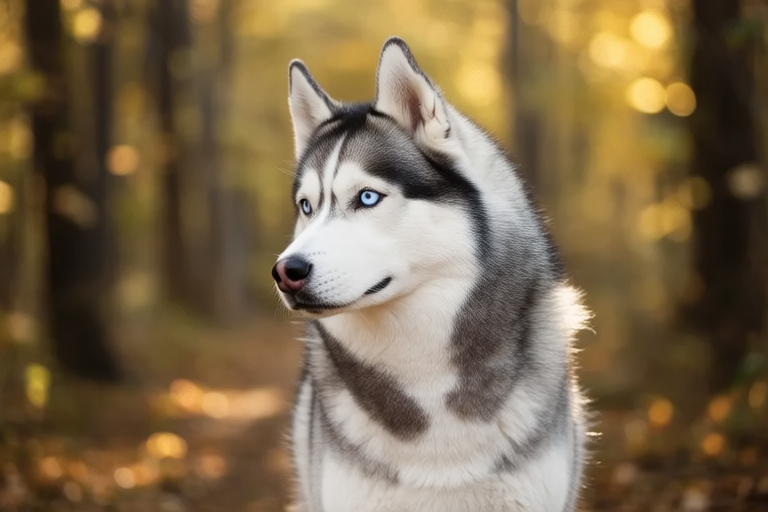
The Ultimate Guide to Living with a Siberian Husky
Welcome to The Ultimate Guide to Living with a Siberian Husky. This comprehensive guide will provide you with all the information you need to successfully integrate a Siberian Husky into your home. From understanding the breed’s history and characteristics to essential care, training tips, socialization, health concerns, grooming, living environment, and managing their high energy levels, this guide is designed to help both new and experienced owners.
Understanding the Breed’s History and Characteristics
Siberian Huskies have a rich history dating back to the Chukchi people of northeastern Asia. Originally bred for sled pulling, these dogs were prized for their endurance and ability to withstand harsh winter conditions. Their strong work ethic, combined with a friendly and outgoing personality, makes them excellent companions. However, it’s important to note that their independent nature can sometimes lead to challenges in training and management.
Essential Care: Diet and Exercise Needs
Diet plays a crucial role in maintaining a healthy Siberian Husky. High-quality dog food containing essential nutrients like protein, fats, and carbohydrates is recommended. Avoid overfeeding, as obesity can lead to various health problems. Regular veterinary check-ups are also vital to monitor your Husky’s overall health.
Exercise is equally important for Siberian Huskies. They thrive on physical activity and require at least an hour of exercise daily. Activities such as walking, running, and playing fetch can help keep them mentally stimulated and physically fit. Providing mental stimulation through puzzle toys or interactive games can also be beneficial.
Training Tips: Focusing on Their Independent Nature
Training a Siberian Husky requires patience and consistency. Positive reinforcement techniques, such as rewarding good behavior with treats and praise, are highly effective. It’s important to establish yourself as the leader from the beginning to prevent dominance issues.
Huskies have a natural instinct to pull, which can make leash training challenging. Start by teaching basic commands like ‘sit,’ ‘stay,’ and ‘come’ before introducing more advanced commands. Consistency is key, so always use the same command for each action and reward your Husky when they follow instructions correctly.
Advice on Socializing Them with Other Pets and Family Members
Socializing your Siberian Husky is essential for their well-being and happiness. Introduce them to other pets gradually, allowing them to get accustomed to each other’s presence. Supervise interactions initially to ensure compatibility. Huskies generally get along well with other dogs but may chase smaller animals due to their hunting instincts.
Family members should also be introduced to your Husky in a controlled environment. Encourage gentle handling and respect towards the dog. Children should be taught how to interact safely with the animal, avoiding rough play or sudden movements that could startle the dog.
Common Health Issues
Like any breed, Siberian Huskies are prone to certain health issues. Hip dysplasia, progressive retinal atrophy (PRA), and cataracts are among the most common conditions affecting this breed. Regular veterinary check-ups can help detect these issues early and manage them effectively.
Additionally, Huskies are susceptible to hypothyroidism, a condition where the thyroid gland does not produce enough hormones. Symptoms include weight gain, lethargy, and skin problems. If you notice any of these signs, consult your veterinarian for proper diagnosis and treatment.
Grooming Requirements
Grooming is an essential part of caring for a Siberian Husky. Their thick double coat requires regular brushing to prevent matting and remove loose hair. Use a slicker brush or comb to gently detangle their fur. Bathing should be done only when necessary, as frequent bathing can strip their coat of natural oils.
Dental hygiene is also important for maintaining your Husky’s overall health. Brush their teeth regularly using dog-safe toothpaste and consider providing dental chews or toys to help clean their teeth.
Living Environment Considerations
When choosing a living environment for your Siberian Husky, consider their need for space and exercise. While they can adapt to apartment living if given sufficient opportunities for outdoor activities, a large yard or access to a park is ideal. Ensure that any outdoor areas are securely fenced to prevent escape attempts.
Huskies are adaptable to various climates but prefer cooler environments. In hot weather, provide shade, fresh water, and avoid excessive exercise during peak heat hours. Indoor cooling systems can also be beneficial.
Tips for Managing Their High Energy Levels
Maintaining a consistent routine can help manage your Husky’s high energy levels. Schedule regular exercise sessions and playtime to keep them active and engaged. Mental stimulation through puzzle toys or obedience training can also help burn off excess energy.
Consider enrolling your Husky in agility classes or dog sports like mushing to channel their energy into constructive activities. These activities not only provide physical exercise but also mental stimulation, helping to keep your Husky happy and well-behaved.
In conclusion, living with a Siberian Husky can be a rewarding experience. By understanding their unique characteristics, providing proper care, and addressing their specific needs, you can create a loving and harmonious relationship with your furry companion. Remember that every dog is different, so tailor your approach based on your individual Husky’s personality and preferences.
