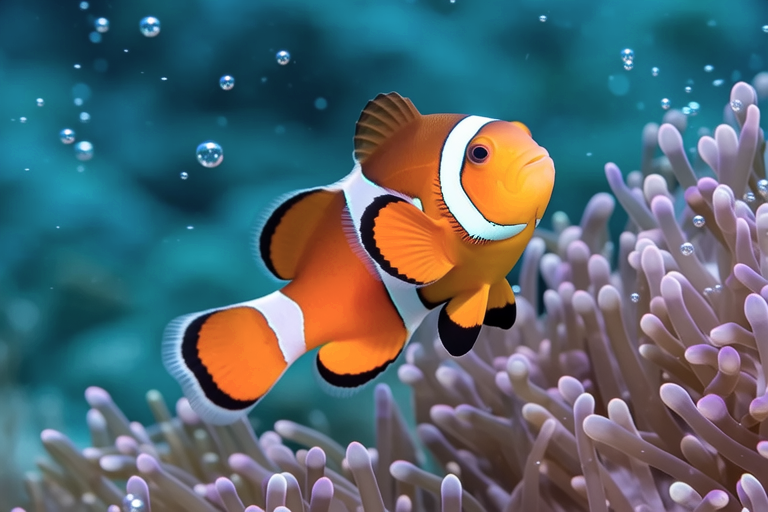
Clownfish Companionship: Understanding Their Social Behavior
The vibrant and charismatic clownfish (Amphiprioninae) have captured the hearts of many with their striking colors and fascinating behaviors. These small, yet resilient fish are native to the warm waters of the Pacific and Indian Oceans, particularly thriving in coral reefs. Clownfish are not only visually appealing but also play a crucial role in their ecosystems, forming intricate relationships with sea anemones and other marine creatures. This article delves into the social behavior of clownfish, exploring their hierarchical structure, mating habits, and interactions with other species. It also addresses common misconceptions and provides guidance for aspiring clownfish owners.
Natural Habitat and Relationship with Anemones
Clownfish inhabit the tropical and subtropical waters of the Indo-Pacific region, including the Great Barrier Reef, the Red Sea, and the Maldives. They are typically found among the tentacles of sea anemones, which serve as both a protective home and a source of food. The anemone’s stinging cells, called nematocysts, protect the clownfish from predators, while the fish, in turn, provide nutrients through their waste and possibly by attracting prey towards the anemone. This symbiotic relationship has been well-documented, with studies revealing that clownfish can induce the release of toxins from anemone tentacles, which may help deter predators.
Interestingly, not all clownfish species rely solely on anemones for protection. Some species, like the tomato clownfish, can live without anemone hosts, although they still benefit greatly from their presence. The symbiosis between clownfish and anemones is a prime example of mutualism in marine environments, where both parties derive advantages from the relationship.
Social Structure and Hierarchical Nature
Clownfish societies are characterized by a strict hierarchy, often featuring a dominant breeding pair and several subordinate individuals. The breeding pair controls the territory and ensures the survival of the group. Subordinate clownfish, which are typically younger or smaller members, do not reproduce but assist in caring for the eggs and juveniles of the breeding pair. This social structure helps maintain order and ensures the efficient allocation of resources within the group.
The hierarchy within clownfish communities is maintained through aggressive displays and physical altercations. When a new individual joins the group, it will challenge the current subordinates for a higher position. If successful, the newcomer will take over the lowest rank, pushing others down the ladder. This dynamic competition for dominance is crucial for the survival and reproduction of the group.
Mating Behaviors
Clownfish are hermaphroditic, meaning each fish has both male and female reproductive organs. However, they function as either males or females during their lifetime. Typically, the largest and most dominant fish in the group becomes the female, while the second-largest fish takes on the male role. If the female dies, the male will transform into a female, and the next largest fish will become the new male. This unique reproductive strategy ensures the continuity of the species.
During mating, the female lays thousands of eggs on a flat surface near the anemone, and the male fertilizes them externally. Both parents are highly attentive to their offspring, fanning the eggs with their fins to ensure proper oxygenation and guarding them against potential threats. Once hatched, the juveniles remain close to the anemone until they reach maturity and can establish their own territories.
Interactions with Other Species
Despite their close association with anemones, clownfish engage in complex interactions with other species within their reef environments. They are known to form alliances with certain species of shrimp, which help keep the anemone clean and free from debris. Additionally, clownfish sometimes share their territory with other small fish species, forming loose associations that benefit both parties.
However, clownfish can be territorial and aggressive towards intruders, especially when it comes to defending their anemone homes. They are capable of chasing away or even attacking other fish that venture too close to their domain. This territorial behavior underscores the importance of understanding clownfish social dynamics when considering them as pets.
Common Misconceptions
One common misconception about clownfish is that they are solitary creatures. In reality, clownfish are highly social animals that thrive in groups. Another myth is that all clownfish live exclusively within anemones. While many species do rely heavily on these partnerships, some are capable of living independently, though they still benefit from the presence of anemones.
Additionally, there is a belief that clownfish can change color based on their mood or environment. While their coloration can vary slightly due to factors like diet and health, significant changes are not related to emotional states. Understanding these misconceptions helps foster a more accurate appreciation of clownfish behavior.
Tips for Aspiring Clownfish Owners
For those interested in keeping clownfish as pets, it is essential to create an environment that mimics their natural habitat as closely as possible. A well-planned aquarium should include a suitable anemone, if possible, along with plenty of hiding spots and ample space for swimming. Clownfish require a stable water temperature and a balanced diet that includes both plant matter and meaty foods.
When introducing clownfish to a new tank, it is important to acclimate them gradually to prevent shock. Adding a few clownfish at a time allows them to establish a hierarchy and reduces stress. Regular monitoring of water quality and providing enrichment activities, such as floating plants or toys, can enhance the well-being of your clownfish.
Understanding the social needs of clownfish is crucial for maintaining a healthy and harmonious aquarium. By providing a supportive environment and respecting their social structures, you can enjoy the company of these delightful fish for years to come.
Conclusion
Clownfish are fascinating creatures with complex social behaviors that reflect their vital role in marine ecosystems. From their symbiotic relationship with anemones to their hierarchical social structures and intricate mating rituals, these fish offer a window into the wonders of underwater life. By dispelling common misconceptions and providing practical advice for aspiring owners, this article aims to deepen our appreciation for clownfish companionship and inspire greater respect for the delicate balance of marine life.
