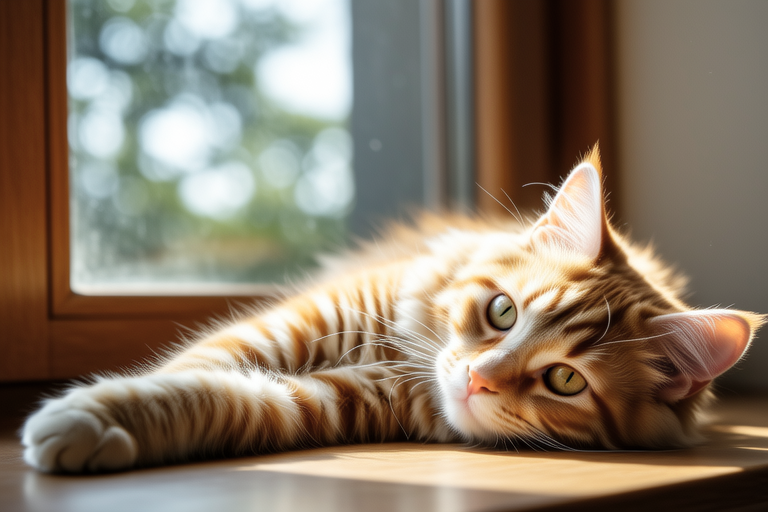
The Fascinating World of Orange Cats
Orange cats have long captured the hearts of cat lovers worldwide with their vibrant coats and distinct personalities. These feline companions are not only visually striking but also possess unique behaviors, dietary preferences, and health peculiarities that set them apart from other cat breeds. This article delves into the scientific reasons behind their orange fur, explores their common personality traits, dispels myths surrounding them, and highlights famous orange cats from literature and media. Additionally, we will discuss lesser-known facts about their social interactions within households and their adaptability to different environments, providing valuable tips for owners on how to best care for an orange cat.
The Science Behind Orange Coats
The distinctive orange coat of these cats is due to a genetic mutation that affects the production of melanin, the pigment responsible for skin and hair color. Specifically, the gene responsible for producing red pigmentation is called the orange gene, which can be either dominant (O) or recessive (o). When this gene is present in a homozygous form (OO), it results in a solid orange coat. Heterozygous individuals (Oo) may exhibit varying degrees of orange, ranging from cream to deep ginger. Interestingly, this gene is sex-linked, meaning it is located on the X chromosome. As males have one X and one Y chromosome, they are more likely to express the orange gene if it is present. Females, having two X chromosomes, can carry multiple versions of the gene, leading to more varied coat patterns.
Common Personality Traits
Orange cats are often described as friendly, confident, and outgoing. They tend to be more sociable than many other cat breeds, enjoying human interaction and playing. Their playful nature makes them excellent companions for families with children or other pets. However, this doesn’t mean they are hyperactive; rather, they maintain a balance between activity and relaxation. Many owners report that their orange cats are affectionate and enjoy cuddling, making them ideal lap cats. Despite their friendly demeanor, some orange cats can be independent and prefer solitude at times, especially when they need to recharge after playtime.
Myths Surrounding Orange Cats
Throughout history, orange cats have been associated with various superstitions and myths. One popular belief is that they bring good luck, particularly in fishing communities where sailors would often keep orange cats on board to catch mice and ward off bad omens. Another myth suggests that orange cats are more prone to aggression, which has no scientific basis. In reality, temperament depends on individual factors such as upbringing, environment, and genetics rather than coat color alone. It’s important to approach these myths critically and focus on understanding each cat as an individual rather than relying on stereotypes.
Famous Orange Cats in Literature and Media
Orange cats have made significant appearances in popular culture, capturing the imagination of writers and filmmakers alike. Perhaps one of the most famous orange cats is Cheshire Cat from Lewis Carroll’s “Alice’s Adventures in Wonderland.” Known for his enigmatic smile and ability to disappear at will, this character embodies the mystery and charm often attributed to orange cats. In contemporary media, Grumpy Cat, whose real name was Tardar Sauce, became an internet sensation with her perpetually grumpy expression and bright orange fur. Her story illustrates how even the quirkiest-looking cats can become beloved celebrities.
Lesser-Known Facts About Social Interactions
Orange cats tend to form strong bonds with their human families while maintaining healthy relationships with other household pets. They are known for being adaptable and can thrive in various living situations, whether it’s a bustling home with children or a quiet apartment shared with another pet. Studies show that orange cats are more likely to engage in interactive play with humans compared to other colors, suggesting they value companionship. Their ability to coexist peacefully with other animals makes them versatile additions to multi-pet households.
Adaptability to Different Environments
Orange cats demonstrate remarkable adaptability to different environments, whether urban or rural. They are equally comfortable in small apartments as they are in spacious homes with gardens. Their playful yet calm nature allows them to adjust easily to changes in routine or surroundings. This flexibility is particularly beneficial for families who frequently travel or move to new locations. Owners should provide stimulating environments filled with toys, scratching posts, and perches to ensure their orange cat remains happy and engaged regardless of where they live.
Tips for Owners
Caring for an orange cat requires attention to specific needs related to diet, grooming, and healthcare. Here are some essential tips:
- Dietary Preferences: Orange cats generally have similar nutritional requirements to other cats, but their higher energy levels may necessitate slightly more calories. A balanced diet rich in proteins, fats, vitamins, and minerals is crucial. Consult your veterinarian to determine the appropriate amount and type of food based on age, weight, and activity level.
- Grooming: Regular brushing helps maintain the health of an orange cat’s coat, preventing matting and reducing shedding. Use a soft-bristled brush designed for short-haired cats to remove loose fur gently. Bathing should be done infrequently unless necessary, as over-bathing can strip natural oils from the skin.
- Healthcare: While orange cats are generally healthy, certain conditions like obesity and dental issues are more prevalent. Regular veterinary check-ups, including dental exams and weight monitoring, are vital. Early detection and management of potential problems can significantly improve quality of life.
- Playtime: Encourage regular physical activity through interactive toys and games. Puzzle feeders can stimulate mental engagement while promoting weight control. Consider incorporating laser pointers, feather wands, or automated toys into daily routines.
Conclusion
Orange cats offer a delightful blend of beauty, personality, and adaptability, making them cherished members of many households. Understanding their unique characteristics—both scientifically and behaviorally—can enhance the bond between owner and pet. By providing proper care tailored to their specific needs, owners can ensure their orange cat lives a long, healthy, and fulfilling life. Whether you’re a seasoned cat enthusiast or new to feline companionship, there’s much to appreciate about these vibrant creatures.
