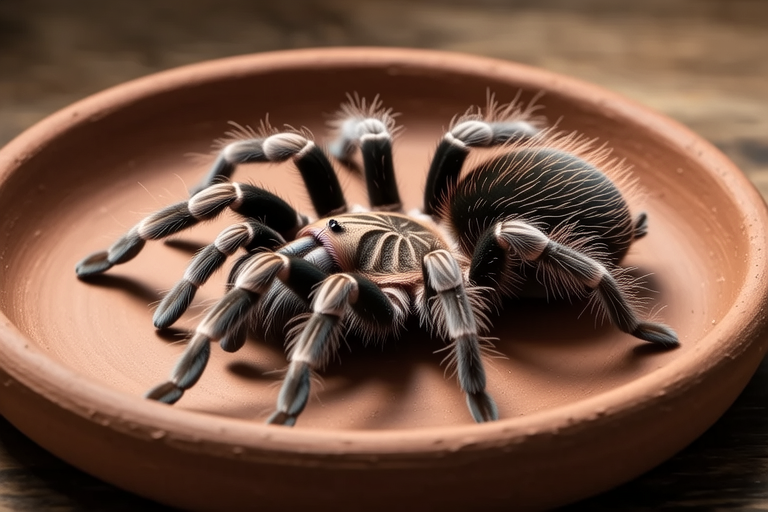
From Fear to Fascination: Discover Why Chilean Rose Tarantulas Make Great Pets
Welcome to the world of arachnids! If you’ve ever been intrigued but also intimidated by the idea of keeping a tarantula as a pet, this guide is designed to help you overcome your fears and discover why the Chilean Rose Tarantula is a fantastic choice for your first spider companion. Let’s start by addressing some common misconceptions and fears about tarantulas.
Common Fears Associated with Tarantulas
One of the most prevalent fears people have when it comes to tarantulas is that they are aggressive and dangerous. This couldn’t be further from the truth. While all spiders are capable of biting, tarantulas are generally very docile creatures. Their primary goal is to avoid confrontation, and they will only bite if they feel threatened or cornered. Even then, the venom of most tarantulas, including the Chilean Rose, is mild and comparable to a bee sting, which can cause temporary discomfort but is not life-threatening.
Another fear is the misconception that tarantulas are dirty or carry diseases. In reality, tarantulas are clean animals that spend a significant amount of time grooming themselves. They are not known to carry any zoonotic diseases that can be transmitted to humans, making them safe pets for those who are concerned about hygiene.
Lastly, many people worry about the commitment required to care for a tarantula. Contrary to popular belief, tarantulas require minimal maintenance compared to other pets. They don’t need daily walks, feeding schedules, or constant attention. With proper care, a tarantula can live for over 10 years, providing companionship and fascination for many years to come.
Introduction to Chilean Rose Tarantulas
The Chilean Rose Tarantula (Grammostola rosea) is one of the most popular species among tarantula enthusiasts due to its striking appearance, gentle temperament, and relatively low-maintenance care requirements. Native to the deserts of South America, these tarantulas have adapted to thrive in dry, warm environments. Their name comes from the soft pink hue they develop as juveniles, which fades into a more earthy brown as they mature.
Appearance
Chilean Rose Tarantulas are medium-sized spiders, typically reaching lengths of 4 to 6 inches. Their bodies are covered in fine hairs that give them a velvety texture. The coloration of adult Chilean Roses ranges from light brown to dark chocolate, with occasional hints of pink on their legs. Males tend to have longer, thinner bodies compared to females, which are broader and more robust. One of the most fascinating features of these tarantulas is their iridescent blue carapace, which can sometimes be seen under certain lighting conditions.
Temperament
One of the standout qualities of the Chilean Rose Tarantula is its calm and gentle demeanor. Unlike some other tarantula species that may be skittish or prone to aggression, the Chilean Rose is known for its docile nature. They are not inclined to run away or hide when approached, making them ideal for handling and observation. However, it’s important to note that while they are generally tolerant, each tarantula has its own personality, so it’s essential to respect their boundaries and handle them gently.
Care Requirements
Providing the right environment for your Chilean Rose Tarantula is crucial for their health and well-being. Here are some key points to consider:
- Housing: A 10-gallon tank is suitable for a single adult tarantula. Ensure the enclosure has a secure lid to prevent escapes. Use a substrate like coconut fiber or bark chips, which helps maintain humidity levels and provides a natural burrowing material.
- Temperature and Humidity: Maintain a temperature between 78°F and 82°F (25°C to 28°C). The humidity should be around 60% to 70%. Regular misting can help achieve the desired humidity level.
- Feeding: Feed your tarantula once or twice a week with appropriately sized prey, such as crickets or mealworms. Remove uneaten prey after a few hours to prevent overfeeding or contamination.
- Handling: Always use caution when handling your tarantula. Gently scoop them up with both hands, supporting their body. Avoid grabbing them by the legs, as this can cause injury. It’s recommended to let them acclimate to your presence before attempting to handle them.
Tips for初次
When considering a Chilean Rose Tarantula as a pet, there are several tips to keep in mind:
Research Thoroughly
Before bringing home your new pet, take the time to research and understand their specific needs. This includes learning about their natural habitat, dietary requirements, and behavioral patterns. Knowledge is power, and being well-informed will help you provide the best possible care for your tarantula.
Choose the Right Equipment
Invest in high-quality equipment from the start. A well-designed enclosure, appropriate substrate, and reliable heating and humidifying devices will ensure your tarantula thrives. Avoid cutting corners when it comes to their living space, as subpar conditions can lead to stress and health issues.
Patience and Observation
Building a bond with your tarantula takes time and patience. Spend time observing them in their enclosure, noting their behavior and habits. Over time, you’ll learn what makes them comfortable and how to interact with them safely. Patience is key in understanding and enjoying the unique relationship you’ll develop with your pet.
Conclusion
From Fear to Fascination: Discover Why Chilean Rose Tarantulas Make Great Pets offers a comprehensive look at these remarkable creatures. By dispelling common fears and highlighting the unique characteristics of Chilean Rose Tarantulas, we hope to inspire you to consider adding one of these gentle giants to your family. With their striking appearance, calm temperament, and relatively low-maintenance care requirements, Chilean Rose Tarantulas are truly one-of-a-kind pets that can bring joy and fascination to your home for years to come.
