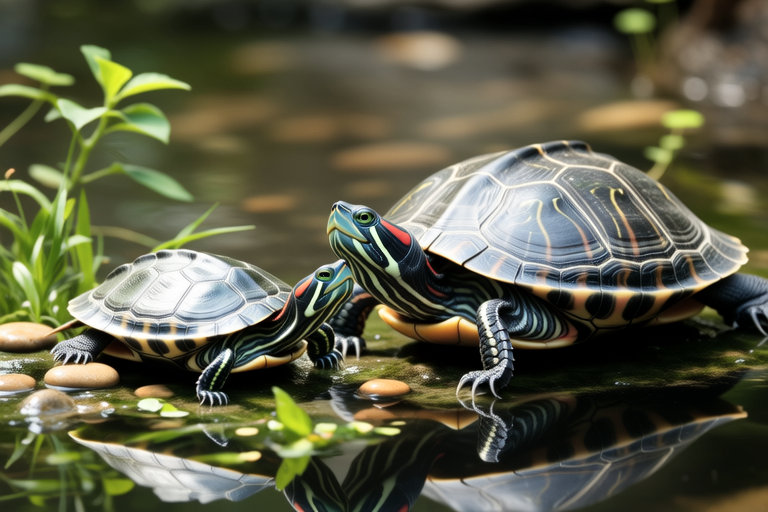
The Fascinating Journey of a Baby to Adult Red-eared Slider
The red-eared slider (Trachemys scripta elegans) is one of the most popular and recognizable pet turtles in the world. Originating from the southern United States and northern Mexico, this semi-aquatic species has become a global phenomenon due to its charming appearance and relatively easy care requirements. This article will guide you through the fascinating journey of a baby red-eared slider to its adult form, exploring its origins, physical development, dietary changes, growth rates, lifespan, common health issues, and essential care tips.
Origin and Habitat
The red-eared slider is native to the Mississippi River Valley, extending from Illinois and Michigan down to Louisiana and eastward to Florida. These turtles thrive in slow-moving rivers, ponds, and lakes that provide both aquatic and terrestrial environments. They prefer areas with abundant vegetation, basking spots, and clear water, which allows them to hunt and bask in sunlight. The red-eared slider is well-adapted to its environment, featuring webbed feet for swimming and a sharp beak for tearing food.
Physical Characteristics at Birth
Baby red-eared sliders are tiny, measuring around 1 inch (2.5 cm) in length. Their carapace (upper shell) is round and smooth, with dark green markings on a lighter background. The plastron (lower shell) is yellow with dark blotches. One of the most distinctive features of this species is the bright red stripe behind each eye, giving it its name. Baby sliders have soft shells that harden as they grow, providing protection against predators. Their limbs are small but strong, equipped with claws for digging and climbing.
Growth and Physical Changes
As red-eared sliders grow, their physical characteristics undergo significant transformations. By the time they reach 4 inches (10 cm), typically within a year, their carapace becomes more oval-shaped and textured. The red stripe behind the eyes may fade slightly, and the overall coloration becomes darker. At this stage, they are still considered juveniles and require ample space for swimming and basking. Adult red-eared sliders can reach lengths of up to 12 inches (30 cm), with males being slightly smaller than females. Their skin becomes thicker, and the carapace develops a more pronounced keel. Males develop longer front claws and tails, while females lay eggs.
Diet Evolution
The dietary needs of red-eared sliders change as they mature. Baby sliders are primarily carnivorous, feeding on insects, worms, and small fish. As they grow, their diet gradually shifts towards a more herbivorous composition. Juveniles consume a mix of commercial turtle pellets, leafy greens, and occasional live foods like earthworms or shrimp. Adult red-eared sliders predominantly eat aquatic plants, vegetables, and fruits. It is crucial to offer a balanced diet to ensure optimal health and growth. Supplements like calcium and vitamins are often necessary, especially during rapid growth periods.
Growth Rate and Lifespan
Red-eared sliders grow quickly during their first few years of life. On average, they can grow up to 4 inches per year until they reach maturity. Growth slows down significantly after 7 to 10 years, depending on environmental conditions and nutrition. The typical lifespan of a red-eared slider ranges between 20 to 40 years, with some individuals living even longer under ideal care. Proper housing, diet, and veterinary care contribute greatly to their longevity.
Common Health Issues
Baby red-eared sliders are prone to shell rot, respiratory infections, and metabolic bone disease. Shell rot occurs when bacteria or fungi infect the shell, often due to poor water quality or injuries. Respiratory infections are common in young turtles kept in unsanitary conditions. Metabolic bone disease results from calcium deficiency, leading to weakened bones and deformities. Juvenile and adult sliders may suffer from vitamin A deficiency, eye infections, and shell abrasions. Regular health checks and prompt treatment are vital for preventing these issues.
Care Tips for Each Growth Stage
Baby Red-eared Sliders
For baby red-eared sliders, it is essential to provide a warm, shallow water environment with plenty of hiding spots and a basking area. The water temperature should range between 75-80°F (24-27°C), and the air temperature near the basking spot should be around 90-95°F (32-35°C). Use a heat lamp and a submersible heater to maintain these temperatures. Feed baby sliders daily with a variety of high-protein foods, such as bloodworms, brine shrimp, and commercial turtle pellets. Ensure that the water is clean and changed regularly to prevent bacterial growth.
Juvenile Red-eared Sliders
Juvenile red-eared sliders need larger enclosures to accommodate their increasing size. A tank size of at least 40 gallons is recommended for two juveniles. Continue to provide a warm basking area and ensure the water remains clean. Introduce more plant matter into their diet, including romaine lettuce, dandelion greens, and water hyacinths. Offer commercial turtle pellets and occasional live foods. Monitor their growth and adjust the enclosure size accordingly to allow ample swimming space.
Adult Red-eared Sliders
Adult red-eared sliders require spacious enclosures, ideally outdoor ponds or large indoor tanks of at least 120 gallons. Outdoor ponds should be secure, with a ramp for easy access to land. Indoor tanks must include a powerful filtration system to maintain water quality. Provide a basking platform that allows the turtle to completely dry off. Feed adult sliders a varied diet rich in vegetables, fruits, and occasional protein sources like earthworms or feeder fish. Regular health check-ups are crucial to monitor their overall well-being.
Why Red-eared Sliders Make Popular Pets
Red-eared sliders are popular pets due to their attractive appearance, relatively low maintenance requirements, and long lifespan. They are active and engaging, making them enjoyable companions for turtle enthusiasts. However, owning a red-eared slider requires commitment and responsibility. Potential owners should consider the time and effort needed to provide appropriate care, as well as the financial costs associated with maintaining a healthy environment and diet.
Considerations for Potential Owners
Before acquiring a red-eared slider, prospective owners should research local regulations regarding turtle ownership. Some areas have restrictions on keeping certain species as pets. Additionally, it is important to understand the long-term commitment involved in caring for these animals. Red-eared sliders can live for decades, so owners must be prepared to provide consistent care throughout the turtle’s lifetime. Proper education and preparation are key to ensuring a rewarding and fulfilling experience with these fascinating creatures.
In conclusion, the journey of a baby red-eared slider to adulthood is a remarkable process filled with growth, adaptation, and transformation. By understanding their origins, physical development, dietary needs, and health concerns, we can better appreciate these unique reptiles and provide them with the care they deserve. With proper attention to their environment and diet, red-eared sliders can lead healthy, happy lives, bringing joy to their human companions for many years to come.
