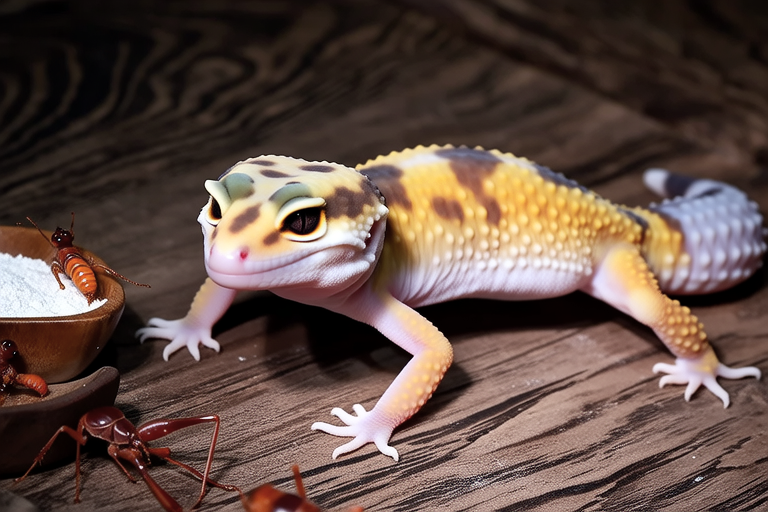
Leopard Gecko Diet Explained: What They Eat and Why It Matters
Welcome to this comprehensive guide on the dietary needs of leopard geckos. Leopard geckos are fascinating creatures that have become increasingly popular as pets. Their unique appearance and relatively low maintenance requirements make them ideal for both novice and experienced reptile enthusiasts. However, ensuring your leopard gecko has a well-balanced diet is crucial for its overall health and longevity.
The Importance of Proper Nutrition
Proper nutrition is vital for the growth, development, and overall well-being of leopard geckos. A well-fed gecko will exhibit vibrant coloration, healthy skin, and robust activity levels. Conversely, malnutrition can lead to various health issues, including metabolic bone disease, fatty liver disease, and compromised immune function.
Essential Nutrients for Leopard Geckos
To maintain optimal health, leopard geckos require a balanced intake of macronutrients, vitamins, and minerals. Here’s a breakdown of the key nutrients:
- Protein: Protein is essential for muscle development and repair. Insects such as crickets, mealworms, and dubia roaches are excellent sources of protein.
- Fat: Fats provide energy and help with the absorption of fat-soluble vitamins like A, D, E, and K. Feeding a variety of insects ensures a sufficient intake of healthy fats.
- Vitamins: Vitamins are necessary for various physiological processes. Vitamin A is crucial for vision and skin health, while vitamin D3 aids calcium absorption. Vitamin E supports the immune system and reproductive health.
- Minerals: Calcium is essential for bone health, while phosphorus plays a role in energy metabolism and cell function. The calcium-to-phosphorus ratio should be maintained at 2:1 to prevent metabolic bone disease.
Types of Food Suitable for Leopard Geckos
Leopard geckos are insectivores, meaning their primary diet consists of insects. Here are some common feeder insects:
- Crickets: Crickets are one of the most popular feeder insects for leopard geckos. They are high in protein and easy to gut-load with nutritious supplements.
- Mealworms: Mealworms are another staple in a leopard gecko’s diet. They are rich in fat and protein but should be fed in moderation due to their hard exoskeleton.
- Dubia Roaches: Dubia roaches are gaining popularity among reptile owners because they are easy to digest and provide a good balance of nutrients.
- Superworms: Superworms are similar to mealworms but larger. They are high in fat and should be offered sparingly.
- Butterworms: Butterworms are soft-bodied and highly nutritious, making them an excellent treat for leopard geckos.
While leopard geckos are primarily insectivores, some owners incorporate small amounts of vegetables into their diets. However, it is important to note that vegetables should not constitute more than 10% of their diet. Safe vegetable options include bell peppers, squash, and carrots, which can be finely chopped or pureed.
Frequency of Feeding
The frequency of feeding depends on the age and size of the leopard gecko. Young geckos require more frequent meals to support their rapid growth. Here’s a general guideline:
- Young Leopard Geckos (Under 6 Months): Feed daily, offering 2-3 appropriately sized insects per feeding.
- Adult Leopard Geckos (Over 6 Months): Feed every other day, providing 1-2 appropriately sized insects per feeding.
It is important to monitor your gecko’s body condition and adjust feeding frequency accordingly. Overfeeding can lead to obesity, while underfeeding can result in malnutrition.
The Importance of Dietary Variety
Providing a varied diet is crucial for ensuring that your leopard gecko receives all the necessary nutrients. A monotonous diet can lead to nutritional deficiencies, which may manifest as health problems over time. By rotating different types of insects, you can offer a diverse range of nutrients and prevent boredom in your gecko.
Potential Dangers of Improper Diet
An improper diet can have serious consequences for your leopard gecko’s health. Some of the potential dangers include:
- Metabolic Bone Disease (MBD): MBD is a common ailment caused by a calcium deficiency or an imbalance between calcium and phosphorus. Symptoms include weak bones, lethargy, and difficulty moving.
- Fatty Liver Disease: Excessive fat intake can lead to fatty liver disease, characterized by a swollen abdomen and lethargy.
- Malnutrition: A lack of essential nutrients can impair growth, weaken the immune system, and shorten the lifespan of your gecko.
- Obesity: Overfeeding, especially with high-fat insects like superworms, can cause obesity, leading to reduced mobility and increased risk of other health issues.
Tips for Maintaining a Balanced Diet
Maintaining a balanced diet for your leopard gecko requires attention to detail and consistency. Here are some practical tips:
- Gut-Loading: Before feeding insects to your gecko, gut-load them with nutrient-rich foods to enhance their nutritional value. Commercial gut-loading products are available and easy to use.
- Dusting: Dusting insects with a calcium powder supplement can help ensure your gecko gets enough calcium. Use a multivitamin supplement once or twice a week to provide additional vitamins.
- Supplement Rotation: Rotate different types of supplements to provide a wide range of nutrients. Avoid over-supplementing, as excessive supplementation can lead to toxicity.
- Monitor Body Condition: Regularly check your gecko’s body condition to ensure it is neither too thin nor too fat. Adjust feeding frequency and portion sizes as needed.
- Offer Water: Provide a shallow water dish for hydration. Leopard geckos typically get most of their moisture from their food, but having access to fresh water is beneficial.
Conclusion
Understanding the dietary needs of leopard geckos is crucial for their health and happiness. By providing a balanced diet rich in essential nutrients, offering a variety of feeder insects, and monitoring their body condition, you can ensure your gecko thrives. Remember, a well-fed gecko is a happy gecko!
