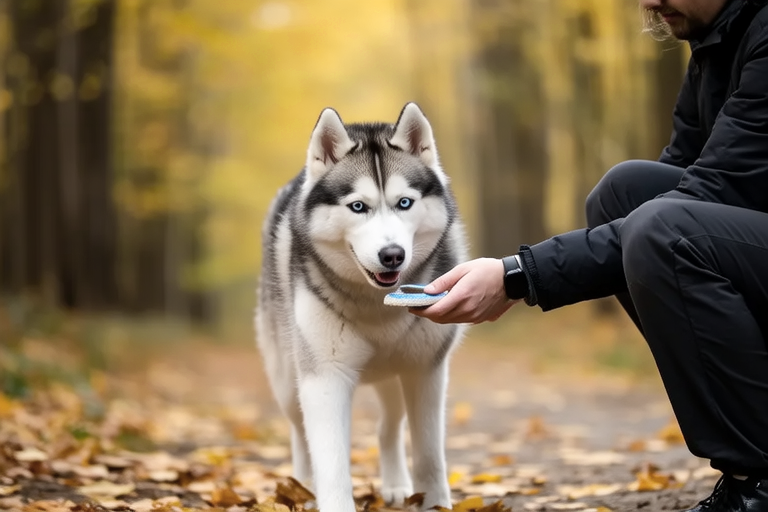
Paws and Effect: Training Tips for Siberian Husky Enthusiasts
Introduction
Siberian Huskies are a breed that captivates hearts with their striking blue or multi-colored eyes, thick fur, and wolf-like appearance. Originally bred by the Chukchi people of Northeastern Asia to pull sleds across vast, snowy landscapes, these dogs are renowned for their endurance, intelligence, and independent spirit. Their friendly, outgoing nature makes them excellent companions, but it also means they require a dedicated owner who can provide both mental and physical stimulation. This article aims to equip Siberian Husky enthusiasts with essential training tips, focusing on obedience, socialization, and exercise needs, while addressing common challenges and offering advice on maintaining a strong bond with these remarkable animals.
Obedience Training: The Key to Success
Training your Siberian Husky begins with establishing clear communication. Huskies are intelligent and quick learners, but their independent streak can sometimes make them stubborn. Therefore, patience and consistency are crucial. Start with basic commands like ‘sit,’ ‘stay,’ and ‘come.’ Use short, clear instructions and reward-based methods to encourage desired behaviors. For example, when teaching your husky to ‘sit,’ hold a treat above its nose, move it slightly backward over the head, and say ‘sit.’ As the dog lowers its bottom, praise it and give the treat. Repeat this process several times a day until the command is consistently followed without the need for a treat.
Consistency is key. Ensure all family members use the same commands and follow the same training routine. This will help your husky understand what is expected of it and reduce confusion. Additionally, consider enrolling in an obedience class where professional trainers can provide guidance and feedback specific to your dog’s behavior.
Importance of Socialization
Socializing your Siberian Husky from a young age is vital for its development into a well-rounded adult dog. Expose your puppy to various environments, people, and other animals to ensure it becomes comfortable and confident in different situations. Early socialization helps prevent behavioral issues such as fearfulness, aggression, and shyness. Introduce your husky to new experiences gradually and positively. For instance, if you’re taking your puppy to a park, start with quieter times of the day and gradually introduce it to busier periods.
Regular exposure to other dogs is particularly important. Arrange playdates with vaccinated, friendly dogs and supervise interactions closely. Encourage gentle play and discourage any signs of dominance or aggression. Socialization should continue throughout your husky’s life, ensuring it remains adaptable and sociable.
Meeting Exercise Needs
Huskies were bred for endurance, and their energy levels reflect this heritage. They require substantial daily exercise to maintain their physical and mental health. A minimum of one hour of vigorous activity per day is recommended. This can include long walks, jogging, hiking, or playing fetch. Agility training and obstacle courses are also excellent ways to engage their minds and bodies. Ensure that exercise sessions are balanced; too much intensity can lead to exhaustion, while insufficient activity may result in behavioral problems.
Providing mental stimulation is equally important. Puzzle toys and interactive games can help keep your husky’s mind active. Consider setting up a ‘kennel enrichment’ area where your dog can explore and solve puzzles during downtime. Rotate toys regularly to keep interest high and prevent boredom.
Common Challenges and Solutions
Owners often face challenges such as excessive barking, chewing, and escaping. These behaviors are usually a result of unmet needs rather than deliberate misbehavior. Addressing these issues requires understanding the root causes and implementing appropriate solutions.
- Barking: Huskies are vocal dogs, and excessive barking can be a sign of boredom, anxiety, or seeking attention. To reduce barking, ensure your husky receives adequate exercise and mental stimulation. Teach ‘quiet’ commands and reward silence. If barking persists, consult a professional trainer for additional strategies.
- Chewing: Providing appropriate chew toys and redirecting your husky’s chewing habits can prevent damage to household items. Choose durable toys designed for aggressive chewers and rotate them to maintain interest. Supervise your husky during playtime to reinforce good behavior.
- Escaping: Huskies are notorious for their escape attempts, often motivated by curiosity or the desire for freedom. Secure your yard with high fences and bury wire along the base to prevent digging. Train your husky to stay within boundaries using positive reinforcement techniques. Consistent practice and reinforcement will help establish these boundaries.
Positive Reinforcement Techniques
Positive reinforcement is a highly effective training method for Siberian Huskies. It involves rewarding desirable behaviors while ignoring or redirecting unwanted ones. Rewards can include treats, verbal praise, petting, or playtime. The key is to associate the reward immediately with the desired behavior so that the dog understands what it did correctly.
For instance, if you want your husky to come when called, use a cheerful voice and offer a treat each time it responds. Over time, the dog will learn that coming when called leads to rewards. Be patient and consistent, as it may take several repetitions before the behavior becomes reliable. Additionally, avoid harsh punishments, which can damage the trust between you and your dog and lead to fear-based behaviors.
Use clicker training for precise timing. Clickers provide a distinct sound that marks the exact moment your husky performs the desired action. This allows for more accurate reinforcement and quicker learning. Pair the click with a treat to strengthen the association. Clicker training can be particularly useful for teaching complex tricks or behaviors.
Maintaining a Strong Bond
The bond between you and your Siberian Husky is the foundation of a happy and healthy relationship. Spend quality time together through activities like walking, playing, and training. Engage in regular grooming sessions, which not only maintain your husky’s coat but also provide a bonding experience. Respect your dog’s individuality and adapt your approach accordingly. Some huskies prefer quiet, one-on-one time, while others thrive in group settings.
Ensure your husky’s well-being by providing a nutritious diet, regular veterinary care, and a safe, comfortable living environment. Pay attention to your dog’s body language and behavior for signs of discomfort or distress. Regular check-ups with a veterinarian can help catch potential health issues early. Additionally, spaying or neutering your husky can improve its overall health and reduce certain behavioral problems.
Conclusion
Raising a Siberian Husky is a rewarding yet challenging endeavor. With their unique traits and high energy levels, these dogs require dedicated owners who can meet their needs for exercise, mental stimulation, and social interaction. By following the training tips outlined in this article, you can build a strong, respectful relationship with your husky. Remember, patience, consistency, and positive reinforcement are the keys to success. Embrace the journey, and enjoy the countless moments of joy and companionship that your Siberian Husky will bring into your life.
