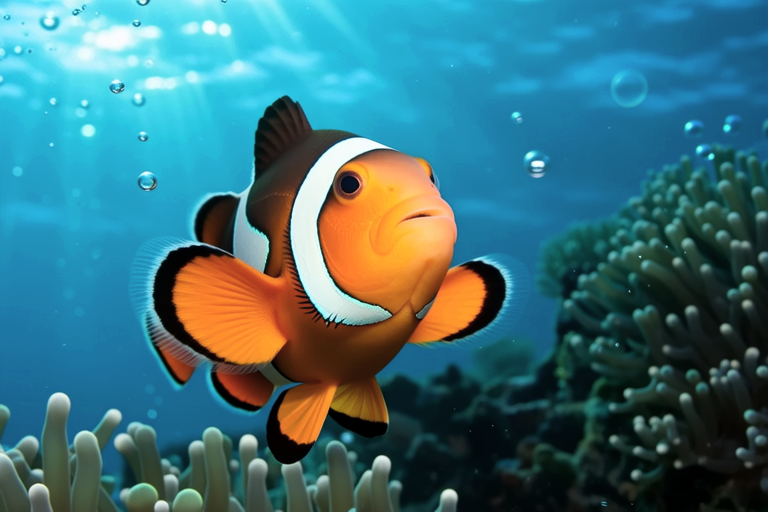
Biological and Environmental Factors Influencing the Coloration of Clownfish
The vibrant coloration of clownfish is one of the most striking features in the marine world. This article explores the biological and environmental factors that influence the coloration of clownfish, including genetic inheritance, diet, symbiotic relationships with anemones, and pigmentation processes. It also discusses the evolutionary advantages of their coloring and how these colors serve in camouflage, communication, and protection within their marine environment. Finally, it touches on the impact of human activities like pollution and climate change on clownfish coloration and overall health.
Genetic Inheritance and Chromatophores
Clownfish, belonging to the genus Amphiprion, exhibit a wide range of colors and patterns, which are primarily determined by their genetic makeup. The genes responsible for the production of pigments play a crucial role in determining the final coloration of these fish. The presence of different types of chromatophores, specialized cells responsible for producing and displaying color, contributes significantly to the diverse palette of clownfish.
There are several types of chromatophores found in clownfish: xanthophores, which produce yellow pigment; erythrophores, responsible for red; melanophores, which create black or brown; and iridophores, producing structural colors through light reflection. These cells work together to create the unique patterns seen in various species of clownfish. For example, the orange-and-white-striped pattern of the common clownfish (Amphiprion ocellaris) is a result of the interaction between xanthophores and iridophores.
Dietary Influence on Pigmentation
The diet of clownfish can also affect their coloration. While genetic factors play a significant role, dietary intake influences the availability of certain pigments necessary for the production of vibrant colors. Carotenoids, for instance, are pigments that provide red, orange, and yellow hues. Clownfish obtain carotenoids from their diet, which includes zooplankton, algae, and small crustaceans.
Research has shown that clownfish raised on diets lacking carotenoids may display less vibrant colors compared to those fed a balanced diet rich in these pigments. This suggests that maintaining a healthy diet is essential for the development of bright and attractive coloration in clownfish. Additionally, the presence of specific nutrients in the diet can enhance the efficiency of pigment synthesis, further contributing to the vividness of their colors.
Symbiotic Relationships with Anemones
Clownfish have a unique symbiotic relationship with sea anemones, which plays a role in their coloration. The anemone provides shelter and protection for the clownfish, while the clownfish, in turn, helps to attract prey for the anemone. This mutualistic relationship benefits both organisms and can influence the coloration of clownfish.
Studies have suggested that the presence of anemones might affect the pigmentation of clownfish due to the chemical compounds produced by the anemone. Some anemones release toxins that can alter the expression of certain genes involved in pigment production. However, the exact mechanisms behind this phenomenon are still being investigated. Moreover, the proximity to anemones may also influence the visual signals used by clownfish for communication, as they need to be easily recognizable to both their hosts and potential mates.
Pigmentation Processes and Evolutionary Advantages
The pigmentation processes in clownfish involve complex biochemical pathways that produce and regulate the distribution of pigments across their bodies. These processes are tightly controlled by various hormones and signaling molecules, ensuring that the right amount of each pigment is produced at the appropriate time during development.
The evolutionary advantages of vibrant coloration in clownfish include improved camouflage, effective communication, and enhanced protection against predators. Bright colors can help clownfish blend in with their surroundings, making them less visible to potential threats. At the same time, distinct patterns and colors serve as visual cues for communication among individuals, facilitating mate selection and social interactions within groups.
Camouflage, Communication, and Protection
The bright and contrasting patterns of clownfish serve multiple purposes in their marine environment. Their colors act as a form of camouflage, allowing them to blend in with the vibrant coral reefs where they live. This makes it easier for clownfish to avoid detection by predators and to sneak up on prey.
In addition to camouflage, the coloration of clownfish plays a vital role in communication. Bright colors and patterns are often used to signal readiness to mate, dominance status, or territorial boundaries. This visual language helps clownfish establish social hierarchies and maintain peaceful coexistence within their communities. Furthermore, the unique patterns of each species allow for easy identification, which is crucial for reproduction and avoiding inbreeding.
Impact of Human Activities on Clownfish Coloration and Health
The increasing threat of human activities such as pollution and climate change poses significant challenges to the survival and well-being of clownfish. Pollution from agricultural runoff, industrial waste, and oil spills can contaminate the waters where clownfish reside, affecting their ability to produce and maintain vibrant colors. Exposure to toxic substances may disrupt the biochemical pathways responsible for pigment synthesis, leading to duller or abnormal colorations.
Climate change also impacts clownfish populations by altering water temperatures and acidity levels. Rising temperatures can stress clownfish, potentially impairing their immune systems and reducing their ability to synthesize pigments. Increased acidity levels can harm the coral reefs that provide shelter and food for clownfish, further threatening their survival. As a result, the overall health and coloration of clownfish may be compromised, affecting their ability to thrive in their natural habitats.
