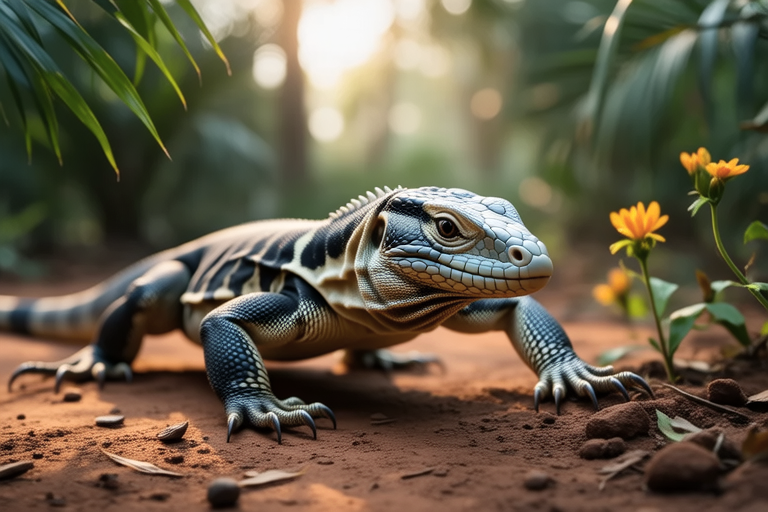
From Jungles to Backyards: How Water Monitors Are Adapting
Water monitors (Varanus salvator) are among the largest lizards in the world, native to the tropical regions of South and Southeast Asia. These impressive creatures, known for their long necks and powerful tails, thrive in diverse habitats ranging from dense jungles to expansive wetlands. Their natural environment provides them with ample opportunities to hunt and hide, making them adept at surviving in complex ecosystems. However, as urbanization continues to encroach upon their traditional habitats, water monitors have begun adapting to life in suburban areas, raising intriguing questions about their survival strategies and the ecological implications of this adaptation.
The Natural Habitat of Water Monitors
Water monitors are primarily found in tropical rainforests, mangrove swamps, and freshwater marshes. They are excellent swimmers and climbers, traits that allow them to exploit various niches within their ecosystem. In their natural habitats, these reptiles feed on a wide range of prey, including fish, amphibians, birds, small mammals, and even carrion. Their diet is highly adaptable, which has been crucial in enabling them to survive in different environments.
These lizards play a vital role in their ecosystems. As predators, they help control populations of smaller animals, contributing to the balance of their natural habitats. Additionally, their burrowing activities can improve soil structure and nutrient cycling. The presence of water monitors is often an indicator of healthy wetland and forest ecosystems.
The Shift to Suburban Environments
The transition of water monitors from their natural habitats to suburban areas is a relatively recent phenomenon, driven largely by habitat loss and human influence. Urban development has fragmented and degraded many of the monitor lizard’s traditional homes, forcing them to seek new territories. Human settlements provide unexpected advantages, such as abundant food sources like domestic pets and garden pests, which attract other animals that become prey for the monitors.
Moreover, the construction of artificial water bodies, such as ponds and canals, mimics the natural aquatic environments that water monitors prefer. These man-made structures offer safe havens where the lizards can hunt, rest, and breed. Consequently, water monitors have become a common sight in backyards and gardens across Southeast Asia.
Diet and Behavior Changes in Backyard Settings
In suburban environments, water monitors have adapted their diets to include a broader range of available prey. While they still consume fish, frogs, and small mammals, they now also feed on insects, rodents, and even pet food left outside. This dietary flexibility allows them to thrive in areas where traditional prey may be scarce.
Behaviorally, water monitors have become more opportunistic and less shy around humans. In their natural habitats, they tend to avoid contact with people, but in suburban areas, they have learned to tolerate and sometimes approach humans in search of food. This change in behavior can lead to conflicts with homeowners who may view the lizards as nuisances or threats.
Despite these behavioral changes, water monitors continue to exhibit many of their natural behaviors. For instance, they remain skilled swimmers and climbers, using these abilities to navigate through suburban landscapes. They also maintain their tendency to burrow, finding shelter under sheds, decks, and other structures in residential areas.
Interactions with Local Wildlife
The presence of water monitors in suburban areas has significant implications for local wildlife. On one hand, their predatory behavior can help control populations of invasive species and pests. For example, water monitors have been observed preying on introduced rodents, which can be detrimental to native ecosystems. This aspect of their behavior can be beneficial for maintaining ecological balance in suburban settings.
On the other hand, the introduction of water monitors into new environments can disrupt existing predator-prey relationships. Native species may not have evolved alongside these large predators, leading to potential declines in populations of smaller animals. Additionally, water monitors can compete with native predators for resources, further altering the local ecosystem.
Perspectives from Experts
Experts in herpetology and ecology have differing views on the impact of water monitors’ adaptation to suburban environments. Some researchers argue that the presence of water monitors can contribute positively to suburban ecosystems by controlling pest populations and reducing the spread of diseases carried by rodents. They suggest that careful management of these reptiles could lead to mutually beneficial outcomes for both the species and human communities.
However, there are also concerns about the potential negative impacts of water monitors on local wildlife. Conservationists worry that the introduction of non-native predators could lead to declines in native species and disrupt delicate ecological balances. To mitigate these risks, some experts advocate for increased awareness and education among residents living in areas frequented by water monitors. This includes promoting responsible pet ownership to prevent the attraction of lizards to homes and encouraging the creation of natural refuges away from human habitation.
Furthermore, experts emphasize the importance of continued research into the long-term effects of water monitors’ adaptation to suburban environments. By studying their behavior, diet, and interactions with other species, scientists can develop strategies to minimize potential conflicts while maximizing the benefits of having these adaptable reptiles in our communities.
Conclusion
From jungles to backyards, water monitors have demonstrated remarkable adaptability in response to changing environmental conditions. Their ability to thrive in diverse habitats underscores the resilience of many species in the face of human-induced challenges. While their presence in suburban areas raises important questions about ecological balance and human-wildlife coexistence, it also offers valuable insights into the dynamics of urban ecosystems.
As we continue to witness the adaptation of water monitors and other wildlife to human-dominated landscapes, it becomes increasingly clear that conservation efforts must consider the broader context of environmental change. By fostering understanding and cooperation between humans and these adaptable reptiles, we can work towards creating sustainable, harmonious cohabitation for all inhabitants of our shared planet.
