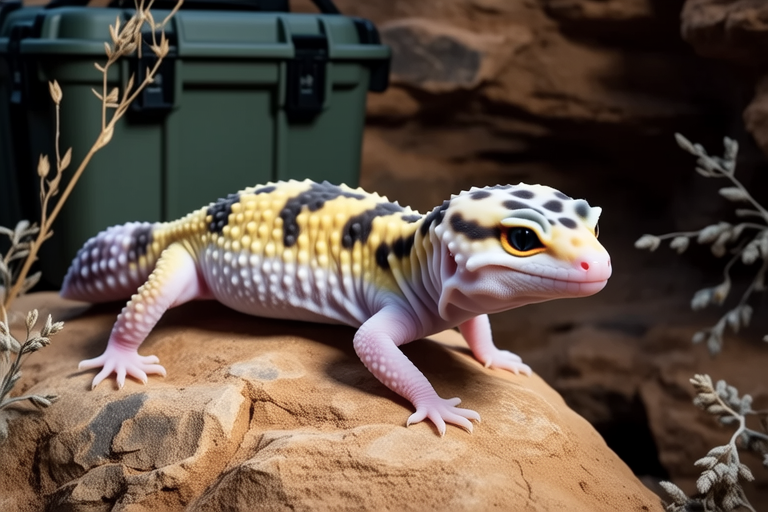
Caring for Your Leopard Gecko Like a Pro
Welcome to your ultimate guide on how to care for your leopard gecko like a pro! Whether you’re a first-time owner or have been keeping these fascinating reptiles for years, this guide will equip you with all the essential information you need to ensure your pet’s well-being. From setting up the perfect habitat to understanding their dietary needs, we’ve got you covered.
1. Habitat Setup
The first step in becoming a leopard gecko expert is creating a suitable living environment. Leopard geckos thrive in a spacious, secure enclosure that mimics their natural habitat. For one adult gecko, a 10-gallon tank is ideal; however, larger tanks (up to 20 gallons) are better for multiple geckos or for giving them more space to explore.
- Substrate: Avoid sand or loose substrate as it can cause impaction if ingested. Instead, opt for reptile carpet, paper towels, or eco-friendly bedding.
- Hiding spots: Provide several hiding places made of cork bark, half logs, or plastic caves to make your gecko feel safe.
- Temperature gradient: Maintain a warm side at around 88-90°F (31-32°C) and a cool side at 75-80°F (24-27°C).
- Humidity: Keep humidity between 30% and 40%. Leopard geckos come from arid environments, so too much moisture can lead to respiratory infections.
2. Temperature and Lighting Requirements
Leopard geckos are ectothermic, meaning they rely on external heat sources to regulate their body temperature. Proper thermoregulation is crucial for digestion, immune function, and overall health.
- Basking area: Use under-tank heaters or ceramic heat emitters to create a basking spot. Ensure the warm side of the enclosure reaches the recommended temperatures.
- Nighttime heating: Since leopard geckos are nocturnal, avoid using bright lights at night. Instead, use a red or black light bulb designed for reptiles.
- UVB lighting: Leopard geckos don’t require UVB lighting as they synthesize vitamin D3 internally. However, providing low-level UVB during the day can promote healthy bone development.
3. Diet Specifics
A balanced diet is key to maintaining your leopard gecko’s health. These omnivorous lizards enjoy a variety of insects, primarily crickets and mealworms.
- Insect variety: Offer different types of insects such as dubia roaches, waxworms, and silkworms occasionally. This ensures a wide range of nutrients.
- Dusting insects: Dust insects with calcium and vitamin D3 supplements twice weekly. This helps prevent metabolic bone disease.
- Feeding schedule: Feed juveniles daily, while adults can be fed every other day. Monitor their weight and adjust feeding frequency accordingly.
