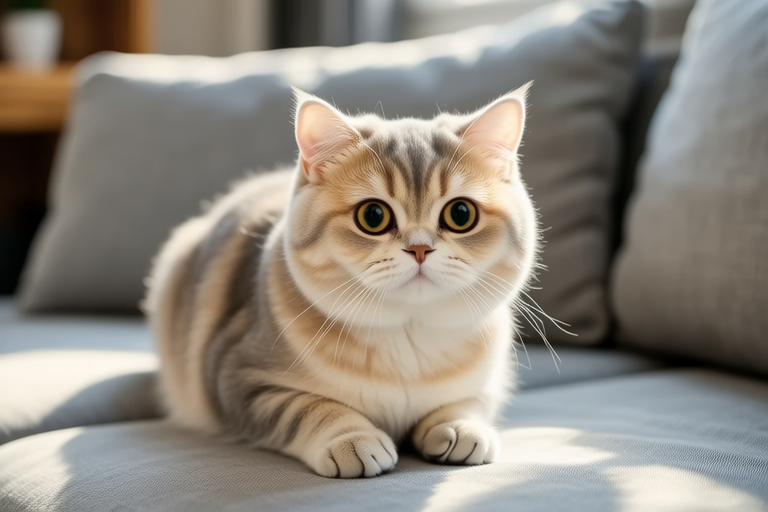
Golden British Shorthairs: The Ultimate Guide to Owning This Majestic Breed
Welcome to the world of Golden British Shorthairs! These majestic felines have captivated the hearts of cat lovers around the globe with their striking appearance and gentle nature. In this comprehensive guide, we will explore the origins and history of this breed, delve into their unique physical characteristics, and provide invaluable insights into their temperament, grooming, diet, exercise, and overall care. Whether you’re a seasoned cat owner or considering welcoming a Golden British Shorthair into your home for the first time, this guide is designed to equip you with all the knowledge you need to ensure a happy, healthy, and fulfilling life for your new companion.
The Origin and History of Golden British Shorthairs
The British Shorthair, including the golden variety, has a rich and storied history that dates back centuries. Originally bred as working cats to control rodent populations, these cats have evolved into beloved household pets. Their lineage can be traced to ancient Britain, where they were valued for their hunting prowess and loyalty. Over time, selective breeding has refined the breed, resulting in the robust and affectionate companions we know today. The golden variant, with its warm and inviting coat, emerged as a popular choice among enthusiasts, admired for its unique beauty and serene demeanor.
Physical Characteristics Unique to Golden British Shorthairs
Golden British Shorthairs are easily recognizable by their plush, dense coats that shimmer in shades of gold, ranging from pale honey to deep amber. Their round heads, wide-set eyes, and short, muscular bodies contribute to their distinctive appearance. Their ears are small and set high on their heads, giving them an almost regal look. One of the most striking features of these cats is their thick, plush tail, which adds to their overall majestic presence. Their large, expressive eyes, typically blue or gold, complement their golden coats, making them truly captivating.
Temperament and Personality Traits
Golden British Shorthairs are known for their calm and gentle disposition, making them excellent companions for families and individuals alike. They are generally patient, easygoing, and affectionate, often seeking out human interaction but not demanding constant attention. These cats are content to observe their surroundings quietly, making them ideal for households with children or other pets. Their laid-back nature means they adapt well to various living environments, from bustling city apartments to quiet suburban homes.
Grooming and Health Care Tips
Maintaining the health and beauty of your Golden British Shorthair’s coat requires regular grooming. Their dense fur benefits from weekly brushing to prevent matting and reduce shedding. Pay special attention to areas prone to hairballs, such as behind the ears and under the chin. Additionally, it’s important to keep their nails trimmed and their teeth clean to prevent dental issues. Regular veterinary check-ups are essential for monitoring their overall health and addressing any potential concerns early on. Vaccinations, flea prevention, and routine deworming are also crucial aspects of their care.
Dietary Requirements
A balanced diet is vital for maintaining the health and vitality of your Golden British Shorthair. High-quality commercial cat food, tailored to their age and activity level, is recommended. Look for formulas that include a mix of proteins, fats, and carbohydrates to meet their nutritional needs. Fresh water should always be available, and treats should be given sparingly to avoid obesity. Consult with your veterinarian to determine the appropriate portion sizes and feeding schedule based on your cat’s specific requirements.
Exercise Needs
While Golden British Shorthairs are relatively inactive compared to some other breeds, they still require moderate exercise to maintain a healthy weight and stimulate mental engagement. Interactive toys, puzzle feeders, and play sessions with your family can help keep them active and entertained. Providing vertical spaces like cat trees and window perches encourages climbing and exploration, which is beneficial for their physical and mental well-being. Regular playtime not only keeps them fit but also strengthens the bond between you and your cat.
Training Techniques
Training your Golden British Shorthair can be both enjoyable and rewarding. Positive reinforcement techniques, such as treats and praise, work best for encouraging good behavior. Teach basic commands like “sit” and “come” through consistent repetition and rewards. Litter box training is usually straightforward, as most kittens instinctively know how to use it. However, patience and consistency are key to ensuring successful training outcomes. Consider enrolling in a cat obedience class or consulting with a professional trainer if you encounter challenges during the process.
Common Health Issues
Like all breeds, Golden British Shorthairs are susceptible to certain health conditions. Hypertrophic cardiomyopathy (HCM), a form of heart disease, is one of the most significant concerns for this breed. Regular veterinary screenings can help detect early signs of the condition. Other common issues include obesity, dental problems, and urinary tract infections. Genetic predispositions may also affect some individuals, so it’s important to choose a reputable breeder who prioritizes health and responsible breeding practices. Early detection and proactive management are crucial for maintaining your cat’s longevity and quality of life.
Advice for First-Time Owners
If you’re a first-time owner of a Golden British Shorthair, there are several key considerations to keep in mind. Creating a safe and comfortable environment is paramount. Provide secure hiding spots, sturdy scratching posts, and plenty of cozy resting areas. Gradually introduce new foods, toys, and routines to minimize stress. Establish a daily routine that includes playtime, grooming, and bonding activities. Remember, each cat is an individual, so take the time to understand your pet’s unique preferences and needs. Patience, consistency, and love will go a long way in fostering a strong bond with your new feline friend.
Compatibility with Families, Children, and Other Pets
Golden British Shorthairs are highly adaptable and generally get along well with children and other pets. Their gentle nature makes them ideal companions for families with young children, as they tolerate handling and playful interactions with grace. Introducing a new cat to the household should be done gradually and under careful supervision to ensure a smooth transition. Positive experiences during the initial introduction can lead to harmonious coexistence and lifelong friendships. Always supervise interactions between cats and children to ensure safety and comfort for all involved.
Creating a Nurturing Environment
To create a nurturing environment for your Golden British Shorthair, focus on providing a safe, stimulating, and loving space. Incorporate elements that cater to their natural instincts, such as scratching posts, climbing structures, and interactive toys. Spend quality time with your cat, engaging in play and affectionate interactions. Establish a predictable routine that includes regular meals, play sessions, and grooming. By fostering a sense of security and belonging, you’ll ensure that your cat thrives and remains a cherished member of your family. Embrace the majestic presence and rewarding companionship of your Golden British Shorthair, and enjoy the many years of joy and contentment they bring to your home.
