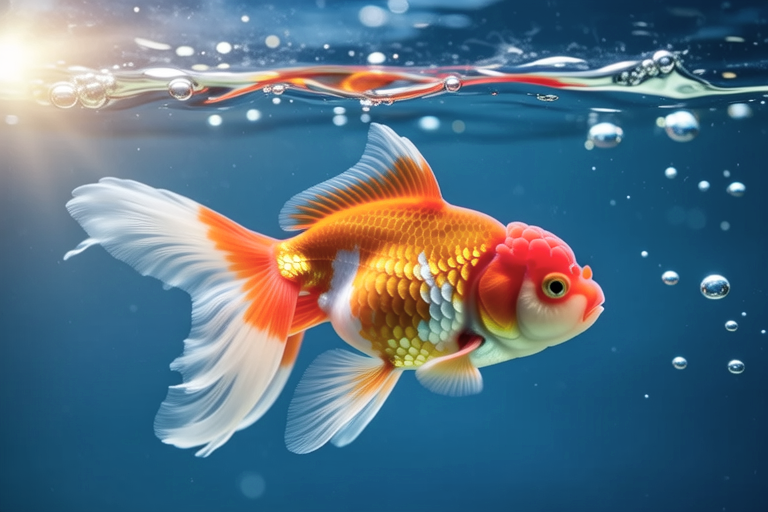
Swimming Secrets Unveiled: How to Keep Your Goldfish Healthy and Happy
Welcome to the fascinating world of goldfish care! These charming creatures can bring joy and tranquility to your home with their graceful swimming and vibrant colors. However, to ensure your goldfish lead long, healthy lives, it’s crucial to understand the nuances of their care. This guide will provide you with valuable insights into maintaining optimal water quality, selecting the right tank size, controlling temperature, choosing suitable filtration systems, providing a balanced diet, establishing regular feeding schedules, and creating an enriching tank environment. We’ll also discuss common health issues and preventive measures, as well as the importance of gentle handling during maintenance tasks.
Maintaining Optimal Water Quality
The foundation of a healthy goldfish habitat is clean water. Poor water quality can lead to stress, illness, and even death. Regular water changes are essential to maintain this cleanliness. Aim to change about 25% of the water weekly, ensuring that you treat tap water with a dechlorinator before adding it to the tank. Invest in a good-quality aquarium test kit to monitor levels of ammonia, nitrite, nitrate, and pH. These parameters should be kept within safe ranges to prevent harmful conditions.
Selecting the Right Tank Size
Contrary to popular belief, a small bowl is not suitable for goldfish. They are active swimmers and require ample space to thrive. A general rule of thumb is to provide at least 20 gallons of water per goldfish. This allows them enough room to swim comfortably and reduces stress. Larger tanks also help in maintaining better water quality by diluting waste products more effectively.
Temperature Control
Goldfish are coldwater fish, but they still need stable temperatures to stay healthy. The ideal range is between 68°F and 74°F (20°C to 23°C). Avoid extreme fluctuations in temperature, as these can stress your fish. Use a reliable aquarium heater and thermometer to keep the temperature consistent throughout the day.
Suitable Filtration Systems
A proper filtration system is vital for removing toxins and debris from the water. Choose a filter that suits the size of your tank and provides adequate flow rates. Biological filtration helps break down harmful substances like ammonia and nitrite. Additionally, mechanical filtration traps particles, while chemical filtration absorbs dissolved organic compounds. Regular cleaning of the filter media is necessary to maintain its effectiveness.
Providing a Balanced Diet
Feeding your goldfish a varied diet is key to their overall health. Commercial goldfish food pellets or flakes form the base of their diet. These are formulated to meet their nutritional needs. Supplement this with occasional treats such as blanched vegetables (like zucchini or peas), freeze-dried or live foods (like brine shrimp or bloodworms), and high-protein options. Be cautious not to overfeed; uneaten food can degrade water quality.
Establishing Regular Feeding Schedules
Feed your goldfish two to three times daily, offering only what they can consume within a few minutes. Overfeeding leads to poor water quality and potential health problems. Observe your fish’s behavior during feeding time; if they stop eating after a short period, reduce the amount of food you give them next time.
The Importance of Tank Decoration
Creating an enriching environment within the tank goes beyond aesthetics. Decorations serve multiple purposes, including providing hiding spots and resting areas. Incorporate plants, caves, and driftwood to mimic natural habitats. Live plants offer additional benefits such as oxygenating the water and absorbing nutrients. Ensure all decorations are non-toxic and have smooth edges to avoid injuring your fish.
Common Health Issues and Preventive Measures
Like any pet, goldfish are susceptible to certain health issues. One of the most common is ich, characterized by white spots on the body. Maintaining pristine water conditions and avoiding sudden temperature changes can prevent this. Another issue is swim bladder disorder, which affects buoyancy. Feeding a balanced diet and preventing overfeeding helps mitigate this problem. If you notice any unusual behavior or physical signs, consult a veterinarian specializing in aquatic animals.
Gentle Handling During Maintenance Tasks
When performing maintenance tasks such as water changes or cleaning filters, handle your goldfish gently. Use a soft net to transfer them between containers, minimizing stress. Always support their bodies properly when moving them around. Remember that goldfish have delicate scales and skin; rough handling can cause injuries.
Conclusion
Caring for goldfish involves more than just providing food and water. By understanding their specific needs regarding water quality, tank size, temperature control, filtration systems, diet, and environmental enrichment, you can ensure your goldfish live happy, healthy lives. Regular monitoring of water parameters, adherence to proper feeding schedules, and gentle handling during maintenance tasks contribute significantly to their wellbeing. With these guidelines in mind, you’re well-equipped to create an ideal aquatic environment for your beloved pets.
