Before You Get a Red-Eared Slider, Here’s What You Need To Consider
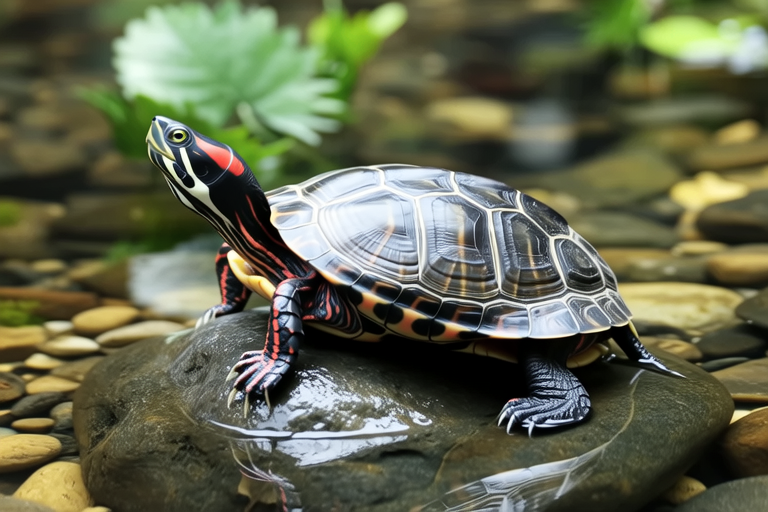
Red-eared sliders are one of the most popular reptile pets, known for their distinctive red stripes behind each eye. These semi-aquatic turtles have a reputation for being easy to care for, but there’s much more to consider before bringing one home. This guide will help you understand what it truly means to own a red-eared slider, from habitat setup to long-term care.
The Appeal and Misconceptions
Red-eared sliders are often chosen as pets because they’re perceived as low-maintenance animals that can thrive in a variety of environments. However, this perception can be misleading. While these turtles are hardy, they still require specialized care to ensure they live long, healthy lives. One common misconception is that they need only a small aquarium or pond. In reality, red-eared sliders need ample space to swim and bask.
Habitat Requirements
Tank Size
Adequate living space is crucial for the well-being of your turtle. For a single adult red-eared slider, a minimum tank size of 40 gallons is recommended. Each additional turtle requires approximately 10 gallons of extra space. The tank should be at least twice as long as the turtle’s shell length to allow for swimming and movement.
Water Quality
Water quality is paramount. Use dechlorinated water, either by letting tap water sit for 24 hours or using a water conditioner. Regular water changes are necessary to maintain cleanliness, with a general rule of changing 25% of the water weekly. High-quality water helps prevent bacterial growth and keeps ammonia levels in check.
Filtration Systems
An efficient filtration system is essential for maintaining water quality. Choose a filter rated for a tank larger than your actual tank size to ensure adequate water flow and filtration. Regular cleaning and maintenance of the filter are also important to keep it functioning optimally.
Temperature Control
Temperature regulation is critical for red-eared sliders. They need a basking area where the temperature reaches between 85-90°F (29-32°C) and a cooler area in the water where the temperature is around 75-80°F (24-27°C). UVB lighting is also necessary for calcium absorption and overall health. A basking lamp and a submersible heater can achieve these conditions.
Dietary Needs
Proper nutrition is key to your turtle’s health. Red-eared sliders are omnivores, consuming both animal-based and plant-based foods. Their diet should consist of 25-30% protein-rich food like commercial turtle pellets, earthworms, and feeder fish, and 70-75% vegetation such as leafy greens, dandelion greens, and aquatic plants.
Feeding schedules vary based on age. Juvenile turtles should be fed daily, while adults can eat every other day. Overfeeding can lead to obesity and health issues, so monitor portion sizes carefully. Always remove uneaten food promptly to maintain water quality.
Long-Term Commitment
Lifespan Expectations
Red-eared sliders can live up to 40 years with proper care. This long lifespan means a significant commitment from the owner. Be prepared for the possibility of outliving multiple pets, and plan accordingly for their care.
Potential Health Issues
Common health issues include shell rot, respiratory infections, and metabolic bone disease. Regular vet check-ups, proper hygiene, and a balanced diet can help prevent these problems. Early detection and treatment are crucial for maintaining your turtle’s health.
Social Interaction and Handling
Red-eared sliders are generally solitary creatures and do not require social interaction with other turtles. However, they can bond with their human caretakers over time. Handling should be done gently and infrequently, as excessive handling can cause stress.
Legal Considerations
It’s important to check local laws and regulations regarding the ownership of red-eared sliders. Some areas have restrictions on keeping them as pets due to environmental concerns. Additionally, importing or exporting turtles may be regulated, so ensure compliance with all relevant laws.
Tips for Responsible Pet Ownership
Being a responsible pet owner involves providing the best possible care for your red-eared slider. This includes regular veterinary visits, maintaining a clean habitat, and offering a balanced diet. Educate yourself about turtle behavior and needs to provide a stimulating environment. Joining online forums or local clubs can also provide support and advice from experienced turtle owners.
Resources for Further Learning
To deepen your knowledge, consider reading books and articles on turtle care. Websites dedicated to reptile health and welfare can also be valuable resources. Attending workshops or seminars can offer practical insights and hands-on experience.
Owning a red-eared slider is a rewarding experience, but it comes with responsibilities. By understanding their needs and making informed decisions, you can ensure your turtle lives a long, healthy life. With dedication and care, you’ll enjoy many years of companionship with your new pet.
