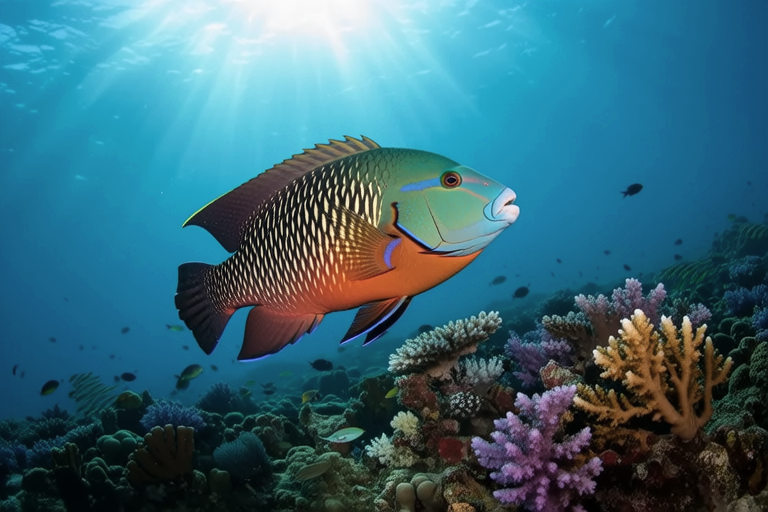
Discover the Vibrant Underwater Life of Parrot Fish Through Stunning Photos
The ocean is a world of wonders, teeming with life that often goes unseen by the casual observer. Among its many inhabitants, parrot fish stand out as particularly striking, not only for their vibrant colors but also for their fascinating behaviors and crucial roles within marine ecosystems. This article aims to take you on a visual and educational journey through the lives of parrot fish, exploring their unique characteristics, behaviors, and significance in the underwater world.
An Introduction to Parrot Fish: A Colorful Dive
Parrot fish are some of the most visually stunning creatures in the ocean, known for their dazzling array of colors and patterns. Their namesake comes from their beak-like mouths, which they use to scrape algae from coral reefs. These fish come in a wide variety of hues, ranging from electric blues and greens to fiery reds and yellows, making them a favorite subject for underwater photographers. Their presence adds a burst of color to the otherwise monochromatic depths, attracting divers and snorkelers alike who wish to witness their beauty firsthand.
The Anatomy of a Parrot Fish
One of the most distinctive features of parrot fish is their robust, laterally compressed bodies, designed for efficient swimming through coral reefs. Their mouths are equipped with strong teeth set in beak-like jaws, perfect for grazing on coral and algae. Parrot fish have large, protective scales that form a bony armor around their bodies, offering them protection against predators. Another notable feature is their ability to change color and pattern, which they use for camouflage and communication.
Their reproductive system is equally fascinating. Many species of parrot fish exhibit sequential hermaphroditism, meaning individuals can change sex during their lifetime. Typically, they start as females and then transition to males as they mature. This adaptation ensures genetic diversity and helps maintain stable populations within their communities.
The Behavior of Parrot Fish
Parrot fish lead complex lives filled with unique behaviors that have intrigued scientists and observers for years. One of the most remarkable aspects of their behavior is their nocturnal sleeping habits. To protect themselves from predators while resting, parrot fish secrete a mucus cocoon around their bodies. This cocoon acts as a barrier, masking their scent and providing a physical shield against potential threats.
During the day, parrot fish are active grazers, feeding primarily on algae that grow on coral reefs. Their diet plays a critical role in maintaining the health of these vital ecosystems. By removing algae, they prevent it from overgrowing and smothering the coral, thus ensuring the reef’s longevity. Parrot fish also contribute to the formation of sand through a process known as bioturbation, where they ingest coral and excrete fine particles that eventually become part of the beach.
The Role of Parrot Fish in Coral Reef Ecosystems
Coral reefs are among the most biodiverse ecosystems on the planet, supporting countless species of marine life. Parrot fish play a crucial role in maintaining this delicate balance. Their grazing activities help keep algae in check, preventing it from overwhelming the coral. In doing so, they indirectly support a wide range of other organisms that depend on the reef for shelter and food.
Moreover, parrot fish are essential for the regeneration of coral. Their feeding habits create small spaces on the surface of the coral, which can serve as nurseries for new coral polyps. This symbiotic relationship between parrot fish and coral reefs underscores the interconnectedness of marine life and highlights the importance of protecting these ecosystems.
Interesting Facts About Parrot Fish
Parrot fish are not just beautiful; they are also full of surprises. Did you know that they can produce sounds? These sounds are used for communication, especially during mating rituals. Male parrot fish will vocalize to attract females, creating a symphony of underwater music that adds another layer of intrigue to their already captivating lives.
Another fascinating fact is their ability to change color. This ability serves multiple purposes, from camouflage to signaling during social interactions. For instance, when threatened, some species can change from bright colors to more muted tones to blend in with their surroundings. This adaptation is a testament to the complexity of marine life and the strategies animals employ to survive in their environments.
The Importance of Marine Conservation
The beauty and importance of parrot fish cannot be overstated. However, like many marine species, they face numerous threats due to human activities such as overfishing, pollution, and habitat destruction. The degradation of coral reefs, where parrot fish thrive, poses a significant risk to their survival. As stewards of the Earth, it is our responsibility to protect these vital ecosystems and the creatures that call them home.
Understanding the intricate lives of parrot fish can inspire us to take action. By learning about their unique characteristics and behaviors, we gain a deeper appreciation for the complexity of marine ecosystems. This knowledge can motivate us to advocate for policies that promote sustainable fishing practices, reduce pollution, and protect marine habitats.
Conclusion
In conclusion, parrot fish are not just colorful additions to the underwater world; they are vital components of coral reef ecosystems. Their unique anatomy, behaviors, and roles within their environment make them fascinating subjects for study and admiration. As we continue to explore and learn about these magnificent creatures, let us also commit to preserving the oceans that sustain them. By doing so, we ensure that future generations can marvel at the vibrant underwater life of parrot fish and all the wonders the sea has to offer.
