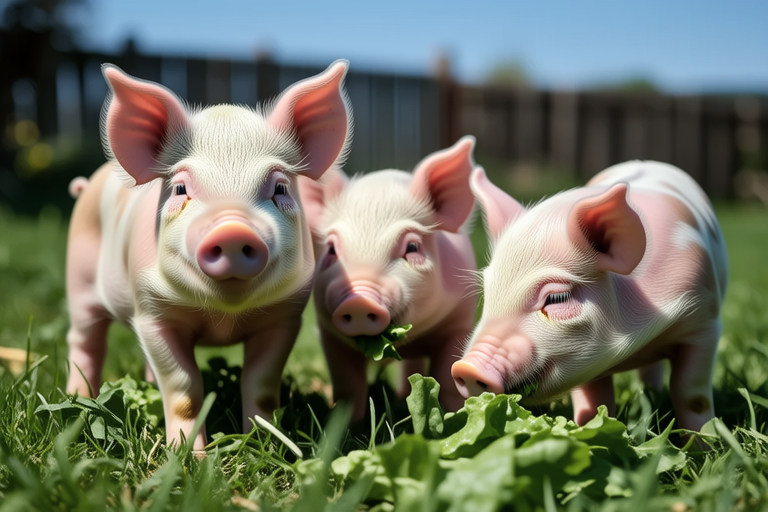
Mini Pigs Unveiled: Debunking Myths and Discovering Realities
Mini pigs have been gaining popularity as pets in recent years, captivating hearts with their endearing looks and seemingly manageable size. These pint-sized creatures are often marketed as perfect companions for urban living, but beneath the surface lies a complex reality that many potential owners may not fully grasp. This article aims to shed light on the truth about mini pigs, separating fact from fiction, and offering valuable insights for those considering adding one to their family.
The Growing Popularity of Mini Pigs
The surge in mini pig popularity can be attributed to various factors, including their cute appearance, which closely resembles that of a cuddly teddy bear. Their relatively small size compared to their larger counterparts also makes them appear more adaptable to smaller living spaces. However, it’s important to note that mini pigs are not just miniature versions of regular pigs; they are a distinct breed with unique characteristics.
Debunking Common Myths About Mini Pigs
Myth 1: Mini Pigs Stay Tiny Forever
One of the most pervasive misconceptions about mini pigs is that they remain small throughout their lives. Many people envision a piglet that will never grow beyond the size of a large dog. The reality is quite different. While some breeds, like the Juliana, might stay relatively small, others can reach weights of up to 150 pounds or more. It’s crucial for potential owners to research specific breeds and understand their expected adult sizes before making a decision.
For instance, Sarah Thompson, a mini pig owner from Chicago, shares her experience. “I adopted a mini pig thinking she’d always be small enough to carry around. She’s now over 70 pounds and requires plenty of space and exercise.”
Myth 2: Mini Pigs Live Short Lives
Another misconception is that mini pigs have shorter lifespans than other domesticated animals. In truth, mini pigs can live anywhere from 12 to 20 years, depending on breed and care. Proper nutrition, regular veterinary check-ups, and a healthy lifestyle can significantly extend their lifespan.
Dr. Emily Carter, a veterinarian specializing in exotic pets, emphasizes this point. “Providing a balanced diet rich in fiber and low in carbohydrates, along with routine vet visits, can help ensure your mini pig enjoys a long, healthy life.”
Myth 3: Mini Pigs Eat Anything
Contrary to popular belief, mini pigs have specific dietary needs that must be met for optimal health. They require a diet high in fiber and low in calories and fat. Feeding them inappropriate foods, such as excessive amounts of fruits or processed snacks, can lead to obesity and related health issues.
John Doe, a mini pig enthusiast, advises, “It’s essential to consult with a vet or a nutritionist to create a balanced diet plan for your mini pig. They love treats, but moderation is key.”
The Realities of Owning a Mini Pig
Space Requirements
Mini pigs need ample space to roam and exercise. While they can adapt to apartment living if provided with sufficient outdoor time, they thrive in environments where they have room to explore and play. Owners should consider the availability of a yard or access to parks for daily walks.
Health Care
Regular veterinary care is vital for maintaining a mini pig’s health. Annual check-ups, vaccinations, and parasite control are necessary. Additionally, mini pigs are prone to certain health conditions, such as heart disease, respiratory infections, and dental problems, which require proactive management.
Behavioral Traits
Mini pigs are intelligent and social animals that form strong bonds with their owners. They enjoy interaction and mental stimulation, making training sessions and playtime essential. However, they can also exhibit stubbornness and territorial behavior, especially when not properly socialized.
Lisa Brown, a seasoned mini pig owner, notes, “Consistent training and positive reinforcement go a long way in shaping their behavior. They’re incredibly smart and can learn tricks like fetching and sitting.”
Advice for Potential Owners
Owning a mini pig is a significant commitment that requires dedication, patience, and a willingness to provide proper care. Before bringing a mini pig into your home, consider the following:
- Research Breeds: Different breeds have varying characteristics and care requirements. Choose one that best suits your lifestyle and living environment.
- Prepare Your Home: Ensure your living space accommodates your mini pig’s needs, including designated areas for sleeping, eating, and playing.
- Seek Professional Guidance: Consult with veterinarians and experienced owners to gain valuable insights and support.
- Embrace the Commitment: Understand the long-term commitment involved in raising a mini pig. They are loving companions that enrich the lives of those who care for them.
In conclusion, mini pigs are fascinating and rewarding pets that bring joy and companionship to many households. By dispelling common myths and understanding the realities of ownership, potential owners can make informed decisions and provide the best possible care for these delightful creatures. With the right preparation and mindset, welcoming a mini pig into your life can be a truly enriching experience.
