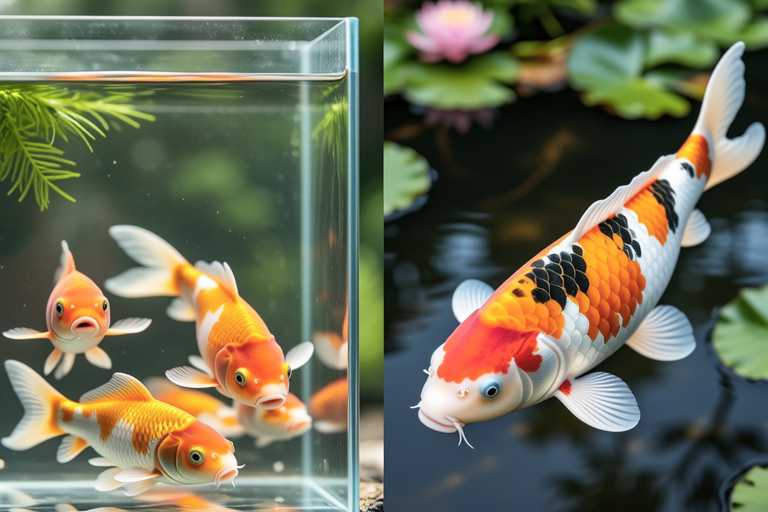
From Tiny Fry to Majestic Koi: The Incredible Journey of Growing These Water Beauties
Koi fish, with their vibrant colors and serene presence, have long been cherished as popular ornamental pets. Originating from East Asia, these fish have captivated aquarium enthusiasts and pond owners alike with their graceful movements and striking appearances. From delicate eggs to full-grown specimens, the journey of raising koi is one filled with challenges and rewards. This article will guide you through the lifecycle of koi, offering insights into their care, dietary needs, and the steps necessary to ensure they thrive in your pond.
The Lifecycle of Koi Fish: From Eggs to Fry
The lifecycle of koi begins with spawning. During spring or early summer, mature koi fish release eggs into the water. The male fish fertilizes these eggs, and within days, they hatch into tiny fry. At this stage, the fry are extremely vulnerable and require meticulous care. They need a protected environment free from predators, ensuring they can grow without interference.
Initially, the fry feed on microscopic organisms like infusoria. As they grow, their diet expands to include finely ground fish food and small live foods such as brine shrimp. Proper nutrition is crucial during this phase, as it lays the foundation for their future health and coloration. Regular feeding, but avoiding overfeeding, helps prevent water pollution and keeps the fry healthy.
Challenges in Early Growth Stages and How to Overcome Them
Raising koi fry presents several challenges. One of the most significant is maintaining water quality. Ammonia levels can spike due to uneaten food and waste, posing a threat to the fry’s survival. Regular water changes and the use of biological filters help mitigate this risk. Additionally, providing adequate oxygen through surface agitation or air pumps ensures that the fry receive the necessary oxygen for their development.
Predation is another concern. To protect the fry, consider setting up a separate nursery tank or using protective nets in the pond. This safeguarding allows the fry to grow large enough to fend off potential threats. Gradually introducing the fry back into the main pond once they reach a size where they can better defend themselves is recommended.
Proper Pond Setup for Healthy Koi
Creating a suitable pond environment is vital for the well-being of koi. A well-designed pond provides ample space for the fish to swim freely and includes features like rocks and plants for hiding spots. The pond should also be equipped with filtration systems to maintain water quality. Filtration removes debris, excess nutrients, and harmful chemicals, keeping the water clean and safe for the koi.
Water temperature and pH levels must be monitored regularly. Koi prefer water temperatures between 68°F and 77°F (20°C to 25°C) and thrive in slightly alkaline conditions with a pH range of 7.2 to 8.5. Adjusting these parameters as needed ensures optimal living conditions for your koi.
Water Quality Maintenance and Disease Prevention
Maintaining high water quality is essential for preventing diseases in koi. Regular testing of water parameters, including ammonia, nitrite, nitrate, and pH, helps identify potential issues before they become serious problems. Water changes, typically around 10% weekly, remove accumulated toxins and refresh the pond.
Disease prevention starts with good husbandry practices. Quarantining new fish, ensuring proper nutrition, and minimizing stress all contribute to a healthier pond ecosystem. If signs of illness appear, consult with a veterinarian specializing in aquatic animals for appropriate treatment. Common treatments include antibiotics, antifungal medications, and salt baths, depending on the specific condition.
The Rewarding Experience of Raising Koi
Witnessing the transformation of tiny fry into majestic koi is a deeply rewarding experience. Watching these fish grow larger and more colorful fosters a profound connection between humans and these aquatic companions. The joy of nurturing koi from birth to adulthood brings a sense of accomplishment and responsibility.
As koi mature, their vibrant patterns and calm demeanor enhance the beauty of any pond. Their presence brings tranquility and aesthetic pleasure, making them beloved additions to gardens and water features. The dedication required to raise healthy koi leads to a deeper appreciation for these magnificent creatures and the natural world.
In conclusion, the journey of growing koi from eggs to adults is both challenging and fulfilling. By understanding their lifecycle, addressing common challenges, and providing optimal care, you can ensure the health and happiness of your koi. Embrace the rewarding experience of watching these water beauties flourish, and let their presence bring joy and serenity to your surroundings.
