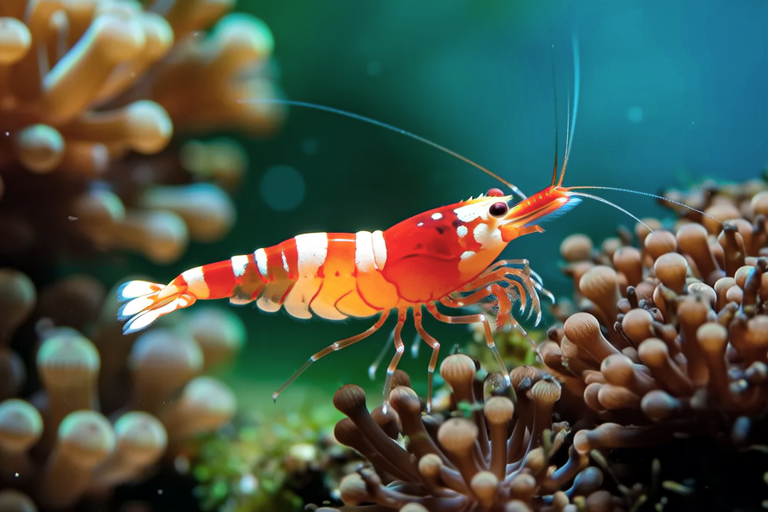
Top Secrets to Keeping Coral Shrimp Happy and Healthy
Welcome to the vibrant world of coral shrimp! These captivating creatures are not only visually stunning but also bring a unique dynamic to any aquarium. Understanding the specific requirements of coral shrimp is crucial to ensure they thrive in your aquatic environment. This comprehensive guide will walk you through essential tips on maintaining optimal water quality, selecting compatible tank mates, setting up an ideal tank, providing a balanced diet, and addressing common health issues.
Understanding Coral Shrimp
Coral shrimp, scientifically known as Stenopus hispidus, are small, colorful crustaceans that inhabit coral reefs and rocky crevices in the ocean. They are popular among aquarists due to their vibrant hues and active behavior. In captivity, they require particular care to replicate their natural habitat and ensure longevity.
Water Quality Management
Maintaining pristine water conditions is paramount for the health of coral shrimp. High water quality not only supports their physical well-being but also prevents stress-related illnesses. Here are some key aspects to focus on:
- Temperature: Coral shrimp prefer temperatures between 72°F and 78°F (22°C to 26°C). Use a reliable heater to maintain consistent warmth.
- pH Levels: Optimal pH ranges from 8.0 to 8.4. Regular testing and adjustments with appropriate chemicals are necessary.
- Ammonia and Nitrite: Both should be undetectable. A robust filtration system and regular water changes help achieve this.
- Nitrate: Keep nitrate levels below 20 ppm. Frequent partial water changes are recommended.
- Salt Concentration: Maintain specific gravity between 1.023 and 1.025. Use a hydrometer to monitor salinity.
Suitable Tank Mates
Selecting compatible tank mates is critical to ensuring harmony within the aquarium. Coral shrimp can coexist peacefully with many species, but there are certain considerations:
- Avoid large, aggressive fish that might prey on them or compete for food.
- Choose peaceful, smaller fish like clownfish, damselfish, and cardinal tetras.
- Consider other invertebrates such as hermit crabs and sea stars. However, avoid snails that may compete for algae.
- Ensure ample hiding spots and caves to reduce territorial disputes.
Ideal Tank Setup
The tank environment plays a significant role in the happiness and health of coral shrimp. Here’s how to set it up:
- Tank Size: A minimum of 30 gallons is advisable for a single pair of shrimp. Larger tanks offer more swimming space and better water stability.
- Substrate: Fine sand or crushed coral works best. Avoid sharp or rough substrates that could injure the shrimp.
- Decorations: Provide numerous hiding spots using live rock, PVC pipes, and ceramic caves. These shelters mimic their natural reef environments.
- Filtration: Invest in a high-quality filter that can handle biological, mechanical, and chemical filtration. Regular maintenance ensures efficient operation.
- Lighting: Use LED lighting that mimics natural sunlight. Provide a photoperiod of 8-10 hours daily to establish a routine.
Diet Specifics
Feeding coral shrimp correctly is vital for their growth and vitality. Their diet should include:
- Algae-Based Foods: Algae wafers, spirulina flakes, and nori sheets are excellent choices. These provide essential nutrients and fiber.
- Protein-Rich Foods: Offer brine shrimp, daphnia, and finely chopped mysis shrimp. Protein supports muscle development and overall health.
- Variety: Rotate different foods to prevent dietary monotony and ensure a balanced intake of vitamins and minerals.
- Frequency: Feed small amounts twice daily. Overfeeding can lead to poor water quality and obesity.
Common Health Issues and Prevention Methods
Despite proper care, coral shrimp may face health challenges. Recognizing these issues early can prevent further complications:
- Parasites: Look for white spots or fuzzy growths. Quarantine new additions and treat with copper-based medications if necessary.
- Bacterial Infections: Symptoms include lethargy, loss of appetite, and cloudy eyes. Maintain excellent water quality and consider antibiotics under veterinary guidance.
- Environmental Stress: Signs include rapid breathing, erratic swimming, and reduced activity. Ensure stable water parameters and provide adequate hiding places.
- Shell Rot: Characterized by soft, discolored areas on the exoskeleton. Improve water quality and consult a veterinarian for treatment options.
Conclusion
Caring for coral shrimp requires dedication and attention to detail. By focusing on water quality, selecting appropriate tank mates, creating an ideal tank setup, offering a balanced diet, and being vigilant about potential health issues, you can ensure your coral shrimp lead happy and healthy lives. Remember, each shrimp is unique, so observe their behavior closely and adjust care practices accordingly. With patience and commitment, you’ll enjoy watching these beautiful creatures thrive in your home aquarium.
