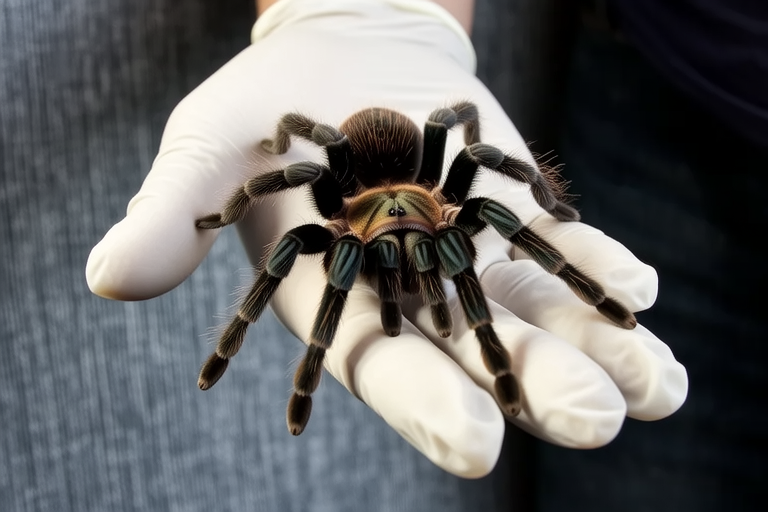
How to Handle Your Tarantula Without Getting Bit: Safety Tips
Welcome to the fascinating world of tarantulas! These large, hairy spiders can make intriguing pets, but it’s crucial to handle them with care. While tarantulas are generally docile creatures, they can become defensive if they feel threatened, leading to bites. Understanding how to handle your tarantula safely and effectively is essential for both the spider’s well-being and your own peace of mind. This guide will provide you with step-by-step instructions, safety tips, and insights into tarantula behavior to ensure a positive experience for both you and your arachnid companion.
Understanding Tarantulas and Their Behavior
Tarantulas belong to the family Theraphosidae and are found worldwide. They come in various sizes and colors, each with unique characteristics. Most tarantulas are nocturnal and prefer environments that mimic their natural habitats. Understanding your tarantula’s behavior is key to handling it safely. Tarantulas are primarily ambush predators, relying on stealth and strength to catch prey. They have strong fangs and venom, which they use for subduing prey rather than defense against humans. However, when they feel cornered or threatened, they may resort to biting as a last resort.
Creating a Safe Environment
Before handling your tarantula, ensure that its environment is secure and stress-free. A calm and controlled setting will reduce the likelihood of your tarantula becoming agitated. Start by ensuring the enclosure is clean and free from any potential hazards. Avoid handling your tarantula immediately after feeding, as they may be more defensive while digesting their meal. Additionally, keep handling sessions short, especially with younger tarantulas or those that are not yet accustomed to human interaction.
Step-by-Step Handling Techniques
- Prepare Your Tools: Use a tarantula hook or a soft, long-handled tool to gently coax your tarantula out of its enclosure. Never use your bare hands, as this can startle the tarantula and increase the risk of a bite.
- Approach Slowly: Move slowly and deliberately, allowing your tarantula to adjust to your presence. Avoid sudden movements or loud noises that could frighten the spider.
- Coaxing Out: Gently place the hook near the tarantula’s front legs and slowly slide it under the spider. Lift the tarantula off the ground without applying too much pressure. If the tarantula clings to the ground, wait patiently until it climbs onto the hook.
- Supporting the Spider: Once the tarantula is on the hook, support its body with your other hand. Hold the hook firmly but gently, ensuring the tarantula feels secure and stable. Avoid squeezing or pinching the spider.
- Handling Duration: Keep handling sessions short, typically no longer than five minutes. Longer interactions can cause stress and increase the risk of a bite.
- Returning the Tarantula: After the handling session, gently place the tarantula back into its enclosure. Ensure the enclosure is secure before removing the hook.
Recognizing Tarantula Body Language
Learning to read your tarantula’s body language is vital for safe handling. Certain behaviors indicate that your tarantula may be feeling threatened or stressed. Familiarize yourself with these signs to avoid unnecessary interactions:
- Brick Position: When a tarantula assumes a brick-like posture, it means it is feeling threatened. The spider raises its front legs and abdomen, ready to defend itself.
- Urticating Hairs: Some tarantulas release urticating hairs as a defense mechanism. These tiny, barbed hairs can irritate skin and eyes. If your tarantula releases these hairs, avoid touching it until the hairs have settled.
- Biting: As a last resort, a tarantula may bite. If you notice any of the above signs, it’s best to stop handling and give the tarantula space.
Avoiding Common Mistakes
Several common mistakes can increase the risk of bites or stress your tarantula. Here are some tips to avoid these pitfalls:
- Avoid Direct Contact: Never touch your tarantula directly. Always use a hook or other tools to handle the spider.
- Handle with Patience: Be patient and gentle during handling sessions. Rushing or being overly aggressive can stress your tarantula and increase the likelihood of a bite.
- Respect Their Space: Allow your tarantula time to acclimate to its new environment before attempting to handle it. Early interactions should be brief and non-intrusive.
Acclimating a New Tarantula
When bringing home a new tarantula, take steps to help it acclimate to its new surroundings. Start by setting up a comfortable, secure enclosure that mimics its natural habitat. Avoid handling the tarantula for at least two weeks, allowing it to settle into its new environment. Once the tarantula appears comfortable, begin introducing short handling sessions. Gradually increase the duration of these sessions over time, always respecting the tarantula’s comfort level.
Maintaining Regular Interaction
Regular interaction can help your tarantula become more accustomed to handling. Aim for brief, consistent sessions several times a week. Over time, your tarantula will become more relaxed during handling, making the process safer and more enjoyable for both you and your pet. Remember to keep handling sessions short and respectful of your tarantula’s comfort level.
Conclusion
Handling your tarantula safely requires patience, respect, and understanding. By following the steps outlined in this guide, you can minimize the risk of bites and create a positive experience for both you and your arachnid companion. Remember to always prioritize the welfare of your tarantula, and enjoy the rewarding relationship that comes with responsible pet ownership.
