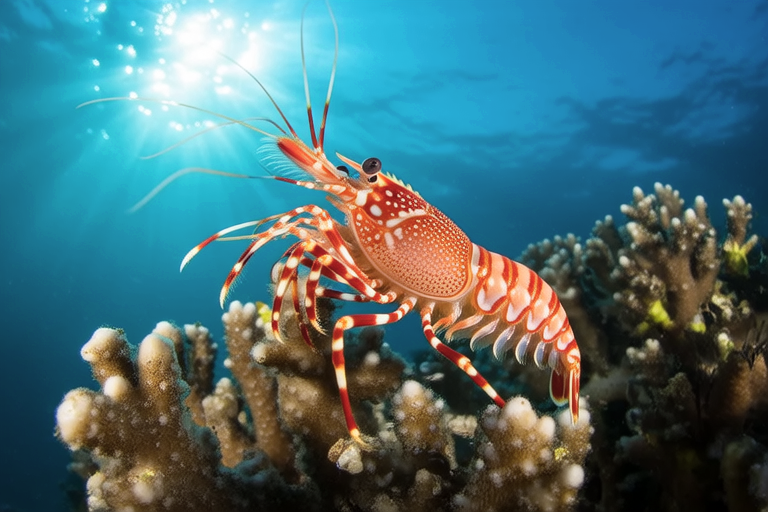
Coral Shrimp: The Underwater Gardeners of Your Aquarium
Introduction
Welcome to the vibrant world of saltwater aquariums, where colorful fish glide gracefully through crystal-clear waters and delicate corals sway gently with the current. Amidst this underwater paradise, there exists a group of tiny but mighty creatures that play a crucial role in maintaining the balance and beauty of these artificial ecosystems: coral shrimp. These small crustaceans are not only fascinating to observe but also serve as invaluable helpers in keeping your aquarium clean and healthy. In this article, we will explore the various aspects of coral shrimp, from their species and behavior to their dietary needs and compatibility with other tank inhabitants. We’ll also provide practical tips on setting up an ideal habitat for them and highlight the numerous benefits they bring to your aquarium.
The Role of Coral Shrimp in Maintaining Aquarium Ecosystems
Coral shrimp, scientifically known as Stenopus hispidus, are native to tropical and subtropical waters around the world, particularly in the Indo-Pacific region. They thrive in coral reefs, where they perform several vital functions that help maintain the delicate balance of marine life. One of their most significant roles is cleaning. Coral shrimp act like miniature janitors, scavenging for detritus, uneaten food particles, and dead tissue from corals and rocks within the tank. By doing so, they prevent the buildup of harmful substances that could otherwise lead to poor water quality and disease outbreaks among other inhabitants.
In addition to their cleaning duties, coral shrimp contribute to the overall well-being of corals by promoting their growth and health. They feed on algae and parasites that might otherwise hinder coral development, thus ensuring that these beautiful organisms remain vibrant and thriving. Their presence can even encourage coral spawning events, which further enriches the diversity and vitality of your aquarium ecosystem.
Dietary Needs and Behaviors
To fully appreciate the importance of coral shrimp in your aquarium, it’s essential to understand their dietary requirements and natural behaviors. Coral shrimp are omnivores, meaning they consume both plant-based and animal-based foods. In the wild, their diet consists mainly of algae, small invertebrates, and organic debris found on or near corals. To replicate this nutritionally balanced diet in captivity, you should offer a variety of high-quality frozen or live foods such as brine shrimp, mysis shrimp, and finely chopped seafood.
It’s important to note that while coral shrimp are generally peaceful creatures, they may exhibit territorial behavior towards others of their kind when space becomes limited. Therefore, it’s advisable to keep them in groups no larger than three individuals per 30 gallons of water. Additionally, providing ample hiding spots and caves will help reduce any potential conflicts and ensure all members of your shrimp colony feel secure.
Compatibility with Other Tank Inhabitants
When selecting coral shrimp for your aquarium, careful consideration must be given to their compatibility with other inhabitants. Coral shrimp are generally non-aggressive and can coexist peacefully with most fish species, especially those that prefer similar environmental conditions. However, caution should be exercised when introducing them alongside more aggressive or predatory fish, as these animals might see the shrimp as a tasty snack rather than a helpful ally.
Some good tank mates for coral shrimp include:
- Clownfish
- Anthias
- Angelfish
- Pseudochromis
Avoid housing coral shrimp with large, carnivorous fish or invertebrates that have a reputation for preying on smaller species. Examples of incompatible tank mates include lionfish, triggerfish, and certain types of crabs.
Setting Up an Ideal Habitat for Coral Shrimp
Creating a suitable environment for coral shrimp involves attention to detail regarding water parameters, tank size, and decor. To begin, ensure that your aquarium has stable water conditions characterized by a temperature range between 74°F and 82°F (23°C – 28°C), salinity levels of approximately 1.023 – 1.025 specific gravity, and pH values between 8.1 and 8.4. Regular monitoring and maintenance of these parameters are crucial for sustaining optimal living conditions.
Regarding tank size, coral shrimp require at least 30 gallons of water per individual, with additional space provided if multiple shrimp are kept together. A well-planted tank with plenty of rockwork and live rock formations offers numerous hiding places and feeding opportunities for these active little cleaners. Live rock also provides beneficial bacteria colonies that aid in breaking down waste products, further supporting the overall health of your aquarium.
Lastly, consider incorporating some macroalgae into your setup. Macroalgae serves dual purposes: it acts as a natural filter by absorbing excess nutrients from the water column while simultaneously offering supplemental food sources for your coral shrimp. Popular choices include Caulerpa species and Chaetomorpha.
Benefits of Having Coral Shrimp in Your Aquarium
The presence of coral shrimp brings numerous advantages to your aquarium beyond just their cleaning abilities. Firstly, their constant movement adds visual interest and dynamism to your tank, creating a more engaging viewing experience for both you and visitors alike. Secondly, by helping to control algal growth and improve water clarity, coral shrimp indirectly enhance the aesthetic appeal of your reef system.
Moreover, maintaining healthy corals is easier when coral shrimp are present since they assist in removing potentially harmful substances before they cause damage. This proactive approach to reef care reduces stress on corals and encourages better coloration and growth rates. Finally, having coral shrimp contributes positively to the overall biodiversity within your aquarium, fostering a richer and more diverse community of organisms.
In conclusion, coral shrimp are truly remarkable additions to any saltwater aquarium. Not only do they provide valuable services that support the health and stability of your ecosystem, but they also add charm and character to your underwater garden. By understanding their unique characteristics and needs, you can create an inviting home for these industrious little gardeners that will reward you with years of enjoyment and satisfaction. Happy reefkeeping!
