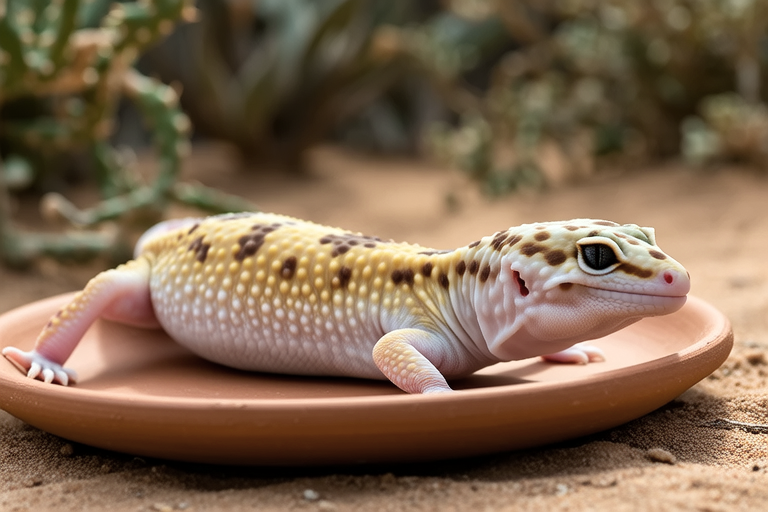
5 Fascinating Facts About Leopard Geckos That Will Make You Fall in Love
Welcome to the enchanting world of leopard geckos! These delightful creatures have captured the hearts of reptile lovers worldwide. With their charming appearance and easy-going nature, they make perfect pets for beginners and seasoned reptile enthusiasts alike. In this article, we’ll dive into five fascinating facts about leopard geckos that will surely make you fall in love with them. So, grab a cup of coffee, sit back, and get ready to discover why these little lizards are such a popular choice among reptile owners.
1. The Perfect Pet for First-Time Owners
Leopard geckos are often referred to as the ideal first pet for reptile enthusiasts due to their manageable size and docile temperament. These geckos typically grow to be around 8 to 10 inches long, making them small enough to handle comfortably without posing any risk to your safety. Their gentle nature also means that they rarely bite, even when feeling threatened. This makes them perfect companions for those who are new to reptile ownership or families looking for a safe and interactive pet for children.
Leopard geckos are nocturnal creatures, meaning they are most active during the night. This behavior can be advantageous for busy individuals who may not have time to interact with their pets during the day. However, don’t let their nighttime activities fool you; these geckos can still form strong bonds with their owners through regular handling and interaction. With a bit of patience and consistent effort, you can create a loving relationship with your new pet.
2. Unique Physical Traits
One of the most striking features of leopard geckos is their vibrant coloration and distinctive patterns. Their skin is covered in tiny bumps called tubercles, which give them a rugged yet beautiful appearance. These geckos come in a wide variety of colors and patterns, from classic yellow and black spots to more exotic hues like red and white. This diversity in appearance makes each leopard gecko truly unique, much like a snowflake or a fingerprint.
Another remarkable trait of leopard geckos is their ability to regenerate their tails. Unlike some other lizard species that simply break off their tails when threatened, leopard geckos have the ability to voluntarily drop their tails as a defense mechanism. Once the tail has been shed, it will eventually regrow, though it may not be identical to the original. This adaptation is a testament to the resilience and adaptability of these amazing creatures.
3. Efficient Eaters
Leopard geckos are carnivorous reptiles, meaning their diet consists solely of animal matter. They primarily feed on insects such as crickets, mealworms, and waxworms. These geckos are opportunistic hunters, using their keen sense of smell to locate prey. In the wild, they would hunt for food during the night, but in captivity, they can be fed at any time of the day.
It’s important to note that leopard geckos should not be overfed. Overfeeding can lead to obesity and health issues. A general rule of thumb is to offer your gecko as many insects as it can consume in about 15 minutes, once every two days. Additionally, it’s crucial to ensure that the insects you feed your gecko are appropriately sized and gut-loaded (fed a nutritious diet) to provide optimal nutrition.
4. Low Maintenance Housing Requirements
One of the reasons why leopard geckos are so popular among reptile enthusiasts is their relatively low maintenance housing requirements. A standard 10-gallon tank is sufficient for one adult leopard gecko, although larger tanks are recommended if you plan to house multiple geckos together. It’s essential to provide a secure lid to prevent escape and ensure proper ventilation.
The tank should be equipped with a substrate that is safe for your gecko to dig in and burrow under. Many owners prefer to use paper towels or reptile carpet for easier cleaning and reduced risk of impaction. However, if you choose to use a substrate like calcium sand or coconut fiber, make sure to monitor your gecko closely to avoid any digestive issues.
In addition to the substrate, your gecko’s enclosure should include hiding spots, climbing branches, and a shallow water dish. Hiding spots provide security and comfort for your gecko, while climbing branches allow them to exercise and stretch their muscles. A shallow water dish should always be available for drinking and soaking purposes.
5. Temperature and Humidity Control
Proper temperature and humidity control are critical factors in maintaining the health and well-being of your leopard gecko. These reptiles require a thermal gradient within their enclosure, meaning there should be a warm end and a cool end. The warm end should be kept between 88°F and 90°F, while the cool end can range from 75°F to 80°F. Providing this temperature gradient allows your gecko to regulate its body temperature by moving between the warmer and cooler areas of the tank.
Maintaining appropriate humidity levels is equally important. Leopard geckos thrive in a dry environment with relative humidity levels between 30% and 40%. Excessive moisture can lead to respiratory infections and other health problems. To achieve the desired humidity levels, you can mist the enclosure lightly or place a shallow water dish inside the tank. It’s essential to monitor humidity levels regularly and adjust as needed.
Heating your gecko’s enclosure can be accomplished through the use of heat lamps, ceramic heat emitters, or under-tank heating pads. Whichever method you choose, it’s crucial to ensure that the heat source is positioned correctly to create the necessary temperature gradient. Always use a reliable thermometer to monitor temperatures within the tank, and never rely on guesswork.
Call to Action
Now that you’ve learned about these five fascinating facts about leopard geckos, it’s time to take the next step and explore the wonderful world of leopard gecko care. Whether you’re a first-time reptile owner or an experienced enthusiast, there’s always something new to discover about these incredible creatures. Take the time to research and understand the specific needs of your potential pet, and consider reaching out to local reptile stores or online communities for advice and support.
Remember, responsible pet ownership requires commitment and dedication. By providing your leopard gecko with a comfortable, enriching environment and proper care, you can enjoy a rewarding and long-lasting relationship with these charming reptiles. So, what are you waiting for? Dive into the exciting journey of becoming a leopard gecko owner today!
