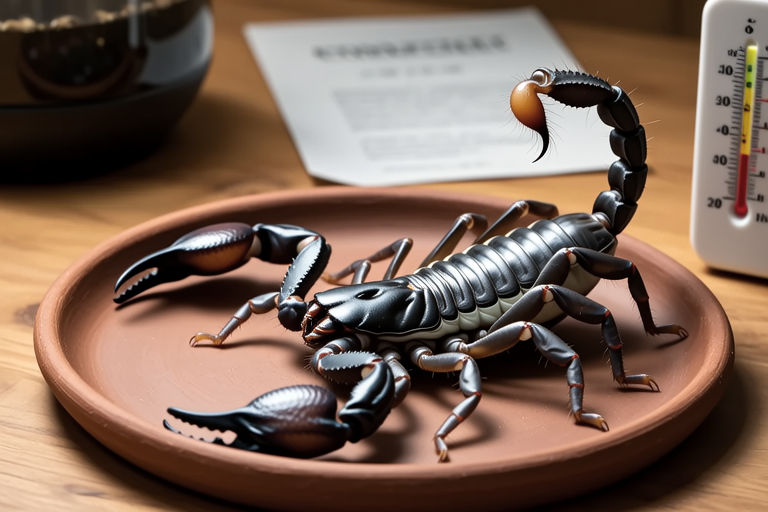
Pet Owner’s Dilemma: Is Heterometrus Spinifer Right for My Family?
Choosing the right pet can be a daunting task for any family. The decision often hinges on compatibility with your lifestyle, space availability, and the unique needs of each potential pet. One less common but intriguing option is the Heterometrus spinifer, a species of tarantula native to Southeast Asia. This article aims to guide you through the considerations of owning a Heterometrus spinifer, addressing care requirements, living environments, safety concerns, temperament, and potential health benefits or challenges. By comparing it with more common pets, we will help you make an informed decision.
The Care Requirements of Heterometrus Spinifer
Maintaining a Heterometrus spinifer requires careful attention to its specific needs. These spiders thrive in warm, humid environments. A terrarium with appropriate substrate, such as coconut fiber or peat moss, provides the necessary humidity. The enclosure should be spacious enough to allow the spider to burrow and hide comfortably. A temperature range between 75°F and 85°F (24°C to 29°C) is ideal, with a relative humidity level around 60% to 80%. Heating pads or under-tank heaters can maintain these conditions effectively.
Dietary needs are another critical aspect. Heterometrus spinifers are carnivorous and feed primarily on live insects like crickets, mealworms, and wax moths. Ensuring a varied diet promotes optimal health and growth. It’s essential to gut-load feeder insects with nutritious food before offering them to your spider. Additionally, a shallow water dish should always be provided for hydration.
Living Environment
Creating a suitable living environment for your Heterometrus spinifer involves several key elements. The terrarium should have adequate ventilation while retaining humidity. A layer of substrate at least four inches deep allows for burrowing, which is a natural behavior for these spiders. Hiding spots, such as cork bark or hollow logs, provide security and stimulate natural behaviors. Proper lighting is also crucial; a low-wattage bulb or heat mat can supply the warmth needed without causing excessive dryness.
Regular cleaning and maintenance are necessary to ensure a healthy habitat. Substrate should be changed every few months, and any uneaten prey should be removed promptly to prevent contamination. Monitoring humidity levels and temperature regularly helps maintain optimal conditions for your pet.
Safety Concerns for Family Members, Especially Children and Pets
Owning a Heterometrus spinifer comes with certain safety concerns, particularly regarding children and other pets. While these tarantulas are generally docile, they possess venom that can cause allergic reactions or localized pain if they bite. For this reason, it’s important to supervise interactions closely and teach children about handling the spider safely.
Other pets, especially small animals, may pose a threat to the spider or vice versa. Cats and dogs might view the tarantula as prey, leading to aggressive encounters. Conversely, the spider could see smaller pets as threats, increasing stress levels and potentially leading to defensive behaviors. To mitigate these risks, it’s advisable to keep the terrarium in a secure location out of reach of curious hands and paws.
Temperament
Heterometrus spinifers are known for their relatively calm demeanor compared to other tarantula species. They tend to avoid confrontation and prefer to retreat into their burrows when threatened. However, provoking or mishandling the spider can lead to defensive actions, including biting. Understanding and respecting their natural behaviors is key to maintaining a harmonious relationship.
These spiders are solitary creatures by nature, so they don’t require social interaction. Their quiet presence can add an interesting dynamic to your home without demanding constant attention. However, they are not interactive pets in the way that dogs or cats might be, making them better suited for families seeking a low-maintenance companion.
Potential Health Benefits or Challenges
Owning a Heterometrus spinifer can offer some health benefits, primarily through the promotion of mindfulness and responsibility. Caring for a pet encourages routine maintenance and attention to detail, which can positively impact mental well-being. Additionally, observing the spider’s behaviors can be fascinating and educational, fostering a deeper appreciation for wildlife.
However, there are also potential challenges. Handling venomous animals carries inherent risks, and proper education and precautions are essential. Allergic reactions or adverse effects from bites necessitate immediate medical attention. Furthermore, the long-term commitment required for maintaining a healthy environment and diet should be carefully considered.
Comparison with More Common Pets
When compared to more traditional pets like dogs, cats, or even fish, Heterometrus spinifers present both advantages and disadvantages. Dogs and cats, for example, offer companionship and emotional support, traits that are absent in tarantulas. On the other hand, tarantulas require minimal daily interaction, making them ideal for busy households or individuals who prefer low-maintenance pets.
Compared to fish, tarantulas demand more active involvement in terms of habitat setup and maintenance. However, they don’t require regular feeding schedules or water changes. In contrast, reptiles like snakes or lizards share similarities with tarantulas in terms of care complexity but often come with higher costs and specialized equipment.
Making an Informed Decision
Deciding whether a Heterometrus spinifer is right for your family involves weighing various factors. Consider your lifestyle, available space, and willingness to commit to its care. Research thoroughly, consult experienced owners, and possibly visit a breeder or local pet store to observe these spiders firsthand. If you’re comfortable with the responsibilities and risks involved, a Heterometrus spinifer could become a unique and rewarding addition to your household.
Ultimately, choosing a pet is a personal decision that should align with your family’s values and preferences. Whether you opt for a Heterometrus spinifer or another type of animal, ensuring their well-being and happiness is paramount. Take the time to understand the requirements and challenges associated with your chosen pet, and enjoy the enriching experience of shared companionship.
