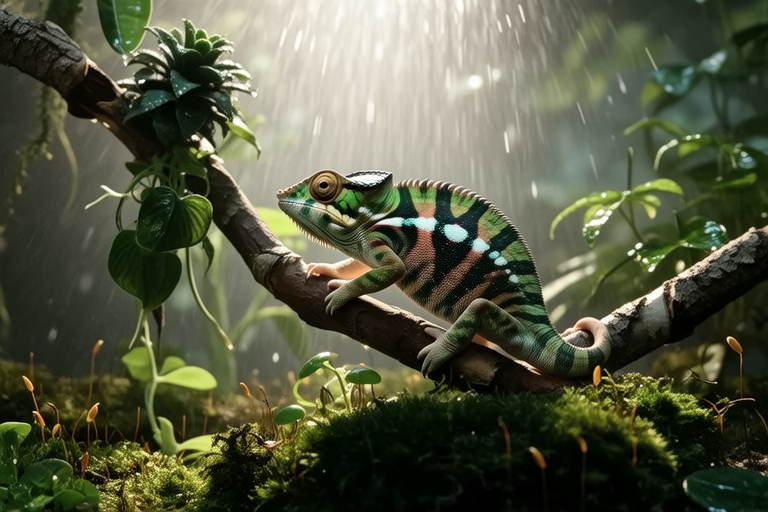
The Ultimate Guide: How to Create the Perfect Habitat for Your Chameleon
Chameleons are fascinating creatures that require specific environmental conditions to thrive. Creating the perfect habitat involves understanding their natural habitat, dietary needs, and environmental requirements. This comprehensive guide will walk you through the essential aspects of setting up the ideal living space for your chameleon.
Enclosure Size
The first step in creating the perfect habitat is choosing the right enclosure. Chameleons are arboreal animals, meaning they spend most of their time climbing and perching high above the ground. Therefore, it’s crucial to provide an enclosure that allows ample vertical space. A standard rule of thumb is to have an enclosure that is at least twice the length of the chameleon from nose to tail. For example, a young panther chameleon, which typically grows to around 18 inches, would need a minimum enclosure of 36 inches tall.
Necessary Lighting (UVB)
UVB lighting is critical for chameleons as it helps them synthesize vitamin D3, which is essential for calcium absorption and overall bone health. Without adequate UVB exposure, chameleons can develop metabolic bone disease, leading to deformities and weakened bones. Use a full-spectrum UVB light designed specifically for reptiles. These lights should be placed no more than 12 inches away from the basking spot, ensuring that the chameleon can receive optimal UVB rays.
Temperature Gradients
Maintaining the correct temperature gradient is vital for a chameleon’s well-being. The enclosure should have a hot spot where the temperature reaches between 85°F to 95°F (29°C to 35°C) during the day. This area is usually near the top of the enclosure, under the heat lamp or basking bulb. At night, temperatures should drop slightly but remain above 70°F (21°C). Avoid using heat rocks or pads, as they can cause burns. Instead, opt for a ceramic heat emitter or a low-wattage bulb designed for reptiles.
Humidity Levels
Chameleons come from environments with varying degrees of humidity, so it’s important to mimic their natural habitat. Most species require humidity levels between 40% and 70%. You can achieve this by misting the enclosure several times a day or installing an automatic mister. Additionally, placing a water dish at the bottom of the enclosure can help maintain humidity levels. It’s crucial to monitor these levels with a hygrometer to ensure they remain within the recommended range.
Suitable Substrate
Selecting the right substrate is important to prevent ingestion and respiratory issues. Many experts recommend using no substrate at all, as chameleons often ingest it while hunting insects. If you choose to use substrate, opt for a non-particle-based option like reptile carpet or artificial grass. Avoid substrates made of sand, soil, or bark, as they can cause impaction if ingested or contribute to respiratory problems.
Hiding Spots
Despite being diurnal animals, chameleons still require hiding spots to feel secure. Provide plenty of live or artificial plants, vines, and branches that offer various levels of coverage. Ensure that these items are securely fastened to prevent accidents. Hiding spots should be positioned throughout the enclosure to give your chameleon multiple options for resting and feeling safe.
Climbing Structures
Climbing structures are essential for providing exercise and mental stimulation. Install sturdy branches and vines at different angles and heights within the enclosure. These structures should be spaced to allow for easy movement between them. Natural wood branches are preferable, as they provide texture and grip. Artificial vines can also be used to create additional climbing opportunities.
Proper Ventilation
Good air circulation is crucial to prevent the buildup of harmful bacteria and fungi. Enclosures should have adequate ventilation to allow fresh air to flow in and stagnant air to escape. Screen tops are ideal for providing excellent airflow while preventing escapes. Ensure that the enclosure is not completely sealed, as this can lead to poor air quality and increased risk of respiratory issues.
Regular Maintenance and Cleaning
Keeping the habitat clean is essential for your chameleon’s health. Remove any uneaten food promptly to prevent spoilage and attract pests. Clean the enclosure weekly, replacing the substrate and wiping down surfaces with a reptile-safe disinfectant. Regularly check for signs of wear and tear on climbing structures and replace them as needed. Maintaining a clean and safe environment ensures your chameleon remains healthy and happy.
Conclusion
Creating the perfect habitat for your chameleon requires attention to detail and a commitment to replicating their natural environment. By focusing on enclosure size, lighting, temperature, humidity, substrate, hiding spots, climbing structures, and proper ventilation, you can provide your chameleon with an enriching and stimulating home. Regular maintenance and cleaning further contribute to their well-being. With these guidelines, both novice and experienced chameleon owners can ensure their pets thrive in their new surroundings.
