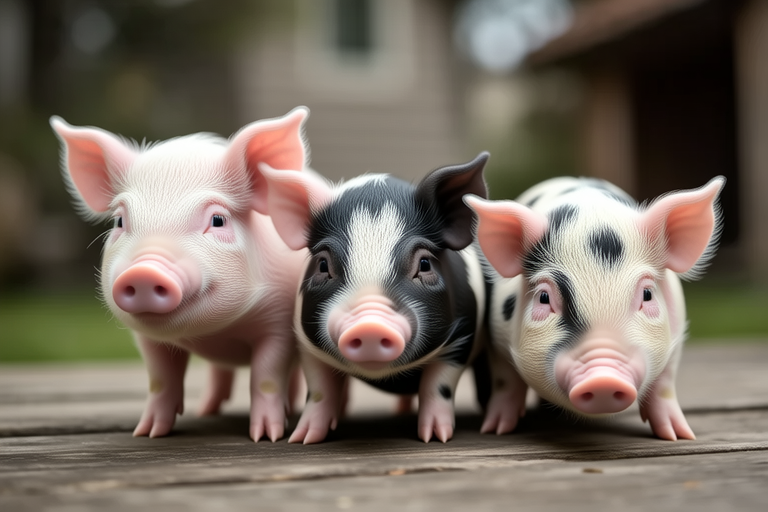
Adorable Mini Pigs: The Ultimate Guide for First-Time Owners
Welcome to the wonderful world of mini pigs! These adorable creatures are increasingly popular as pets, but they come with unique care requirements. This guide will walk you through everything you need to know to provide the best possible life for your mini pig, from understanding their characteristics to addressing common misconceptions.
Mini Pig Characteristics
Mini pigs, also known as teacup or micro pigs, are intelligent, social animals that can make fantastic companions. They have expressive faces, curly tails, and come in various colors, including black, white, and multicolored. Despite their small size, they are surprisingly strong and can weigh between 30 to 70 pounds, depending on breed and diet. Their intelligence means they can learn tricks and respond to training, making them delightful pets for families.
Personal anecdote: My first mini pig, Charlie, amazed me by learning to sit on command within a week. His curiosity and playfulness made every interaction a joy.
Dietary Needs
Proper nutrition is crucial for your mini pig’s health. A balanced diet includes fresh vegetables, fruits, and commercial pig pellets. Leafy greens like kale, spinach, and lettuce are excellent choices, while apples and carrots provide essential vitamins. Avoid feeding them too many treats, as this can lead to obesity. Always consult with a veterinarian to ensure your mini pig’s diet meets all nutritional requirements.
Remember, mini pigs have sensitive digestive systems, so introduce new foods gradually and monitor for any adverse reactions.
Housing Requirements
Adequate housing is vital for your mini pig’s comfort and safety. They need a spacious, clean, and secure living area. An indoor pen with bedding, such as straw or wood shavings, is ideal. If kept outdoors, ensure the enclosure has shelter from extreme weather conditions and is predator-proof.
Personal anecdote: I learned the hard way that mini pigs are escape artists. My pig, Daisy, once squeezed through a gap under the fence, leading to a frantic search around the neighborhood.
Grooming Tips
Maintaining good hygiene is important for your mini pig’s well-being. Regular brushing helps keep their coat healthy and reduces shedding. Bathing is usually unnecessary unless they get particularly dirty, as frequent bathing can dry out their skin. Trim their nails regularly to prevent overgrowth and discomfort. Additionally, check their ears for dirt and debris and clean them gently if needed.
Health Concerns
Like any pet, mini pigs require regular veterinary care. Common health issues include parasites, respiratory infections, and dental problems. Signs of illness may include lethargy, loss of appetite, coughing, or changes in bathroom habits. Early detection and treatment are key to keeping your mini pig healthy.
Personal anecdote: When my pig, Max, started sneezing, I quickly took him to the vet, who diagnosed him with a mild respiratory infection. Timely treatment helped him recover fully.
Training Techniques
Training your mini pig is both fun and beneficial. Positive reinforcement works best; reward desired behaviors with treats or praise. Teach basic commands like ‘sit,’ ‘stay,’ and ‘come.’ Consistency is key, so practice daily sessions in short intervals. Training not only strengthens your bond but also ensures your pig behaves appropriately in various situations.
Personal anecdote: Teaching my pig, Bella, to fetch was one of our favorite activities. We spent weeks practicing, and her enthusiasm was infectious.
Common Misconceptions
Many people believe that mini pigs are easy to keep due to their small size. However, they require as much attention and care as larger pets. Another misconception is that mini pigs are hypoallergenic. While some individuals may find them less allergenic than other animals, no pet is entirely hypoallergenic. Lastly, it’s often thought that mini pigs are always small. In reality, they can grow quite large, so always research the specific breed before adopting.
Summary
Owning a mini pig can be an incredibly rewarding experience when you’re properly prepared and informed. With their intelligence, loyalty, and unique personalities, these animals can become cherished members of your family. By understanding their dietary needs, providing adequate housing, maintaining good grooming practices, addressing health concerns promptly, and using positive training techniques, you’ll set your mini pig up for a happy and healthy life.
Remember, each mini pig is an individual with its own quirks and preferences. Embrace their uniqueness and enjoy the journey of building a loving relationship with your furry friend.
